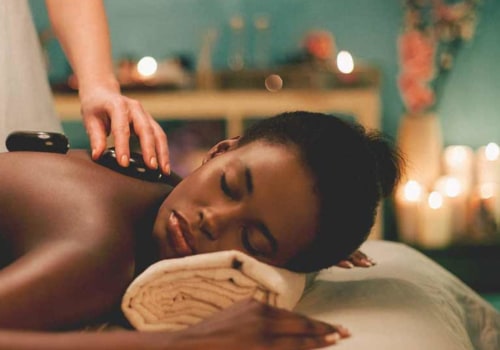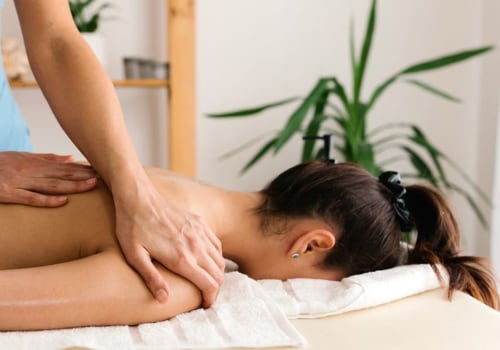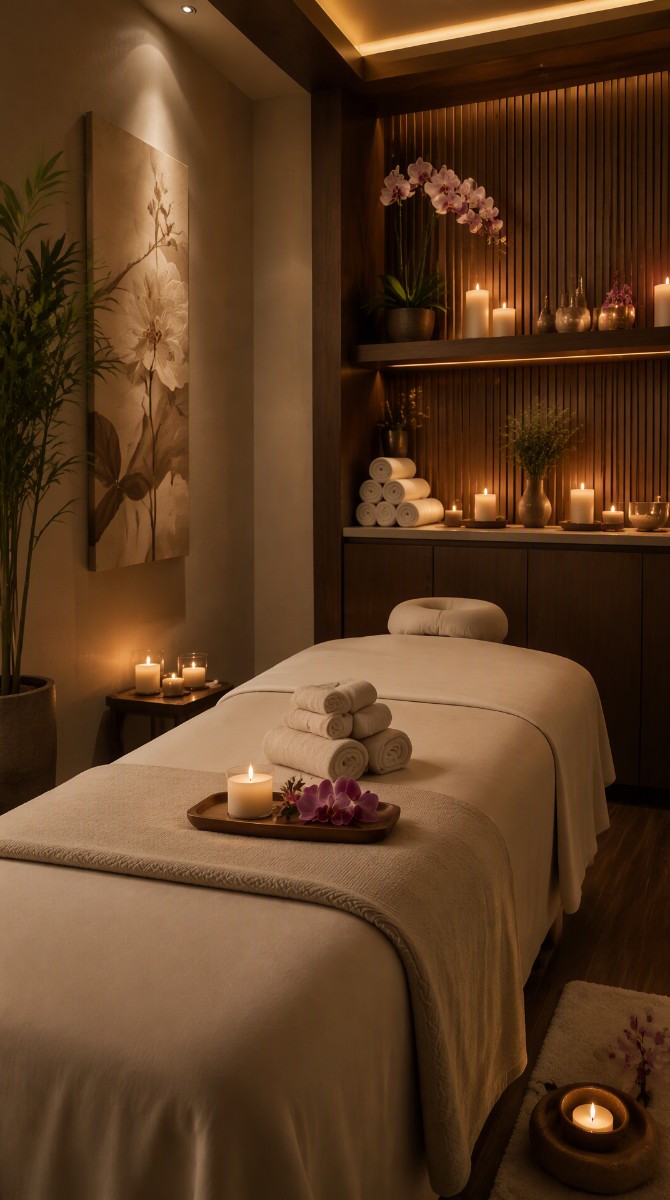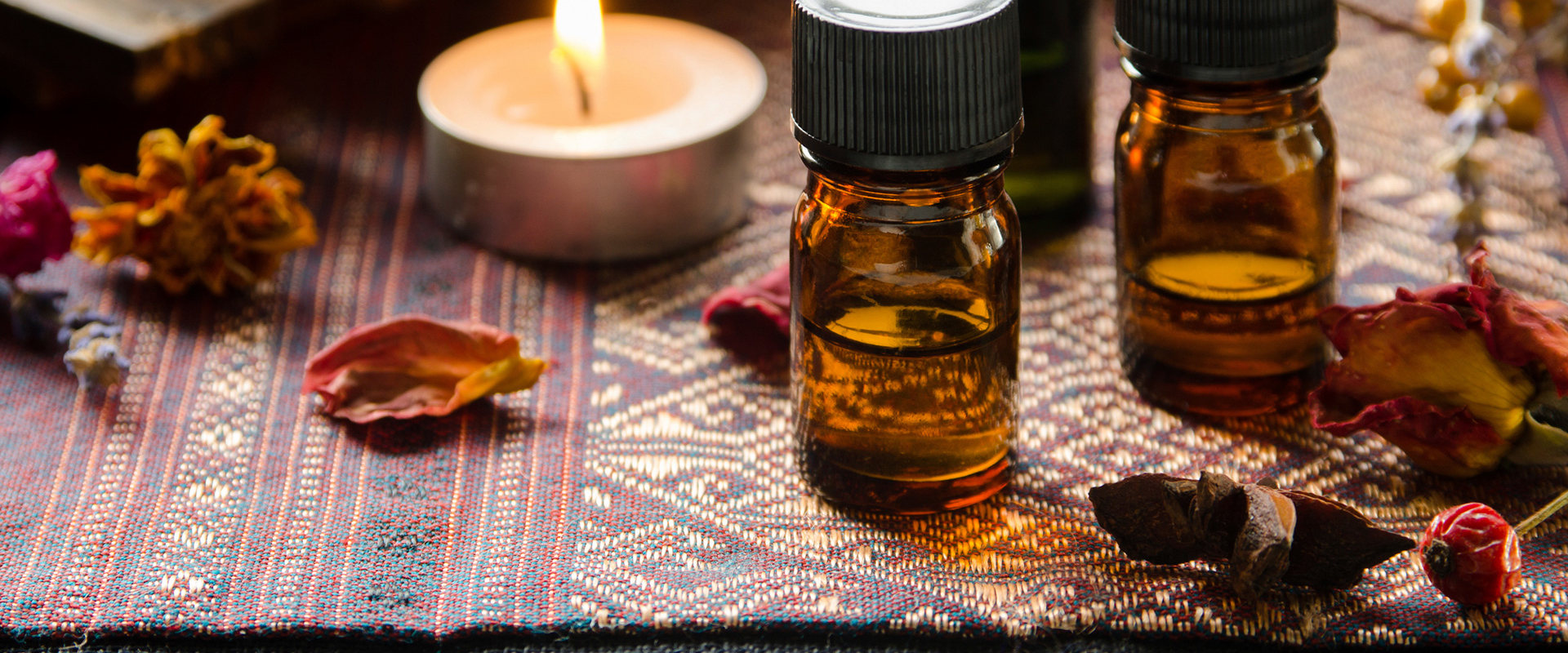
Aromatherapy is a holistic healing practice that harnesses the power of essential oils derived from plants to enhance physical and emotional well-being. This ancient art has roots that trace back thousands of years, with its origins found in various cultures, including the Egyptians, Greeks, and Chinese. These civilisations recognised the profound effects that aromatic plants could have on the mind and body, using them in rituals, medicine, and beauty treatments. Today, aromatherapy has evolved into a popular method for promoting relaxation and alleviating stress, making it an essential component of modern massage and body treatments.The benefits of aromatherapy extend far beyond mere fragrance; they encompass a wide range of therapeutic effects that can significantly improve one’s quality of life.
Essential oils such as lavender, chamomile, and bergamot are renowned for their calming properties, helping to reduce anxiety and promote a sense of tranquillity. When incorporated into massage therapy or body treatments, these oils can enhance the overall experience by not only soothing sore muscles but also calming the mind. The synergy between touch and scent creates a multi-sensory experience that can lead to deeper relaxation and rejuvenation.Moreover, aromatherapy can serve as an effective tool for various relaxation techniques. Whether you are practising mindfulness meditation, engaging in yoga, or simply unwinding after a long day, the right blend of essential oils can elevate your experience.
By inhaling these aromatic compounds or applying them topically during massage sessions, individuals can tap into their therapeutic properties to foster emotional balance and physical relief. This holistic approach not only addresses immediate stressors but also promotes long-term wellness by encouraging self-care practices.As we delve deeper into the world of aromatherapy recipes for relaxation, it becomes clear that understanding the benefits of essential oils is crucial. Each oil possesses unique characteristics that cater to different needs and preferences. By exploring these options and integrating them into your daily routine or treatment sessions, you can unlock the full potential of aromatherapy as a powerful ally in your journey towards relaxation and well-being.
Popular Essential Oils for Relaxation
Aromatherapy is a powerful tool for relaxation, and the choice of essential oils plays a crucial role in its effectiveness.Each essential oil possesses unique properties that can enhance your relaxation experience. Below are some of the most popular essential oils known for their calming effects:
- Lavender: Renowned for its soothing aroma, lavender essential oil is often considered the gold standard for relaxation. It has been shown to reduce anxiety and improve sleep quality, making it an ideal choice for those seeking peace and tranquillity.
- Chamomile: This gentle oil is famous for its calming properties. Chamomile is particularly effective in alleviating stress and promoting restful sleep.
Its sweet, apple-like scent can create a serene atmosphere, perfect for unwinding after a long day.
- Ylang-Ylang: With its exotic floral fragrance, ylang-ylang is known to help reduce tension and anxiety. It can also uplift mood and promote feelings of joy, making it a wonderful addition to any relaxation blend.
- Bergamot: This citrusy oil not only has a refreshing scent but also possesses mood-enhancing properties. Bergamot can help alleviate feelings of stress and anxiety while promoting a sense of calm and well-being.
- Sandalwood: Known for its rich, woody aroma, sandalwood is often used in meditation practices. It has grounding properties that can help centre the mind and promote deep relaxation.
- Clary Sage: This herbaceous oil is celebrated for its ability to reduce stress and promote emotional balance.
Clary sage can also enhance mental clarity, making it an excellent choice for those looking to unwind while maintaining focus.
- Frankincense: Often associated with spiritual practices, frankincense has a warm, resinous scent that promotes relaxation and reduces feelings of anxiety. It can also enhance meditation experiences by creating a calming environment.
Creating Your Own Aromatherapy Blends
Creating your own aromatherapy blends can be a rewarding and therapeutic experience.Not only does it allow you to tailor scents to your personal preferences, but it also enables you to harness the specific therapeutic properties of various essential oils. Here’s a step-by-step guide to help you craft your own unique blends.
Step 1: Gather Your Materials
- Essential Oils: Choose a selection of essential oils that resonate with you. Popular choices for relaxation include lavender, chamomile, and bergamot.
- Carrier Oils: These are used to dilute essential oils and prevent skin irritation. Common carrier oils include jojoba oil, sweet almond oil, and coconut oil.
- Glass Bottles: Use dark glass bottles for storage to protect the oils from light degradation.
- Dropper or Pipette: This will help you measure out your essential oils accurately.
Step 2: Choose Your Essential Oils
Select two to four essential oils based on their properties and how they complement each other.
For example, combining lavender for its calming effects with bergamot for its uplifting qualities can create a balanced blend.
Step 3: Determine Your Ratios
A good starting point is to use a ratio of 3:1:1 for three oils. For instance, if you’re using lavender, bergamot, and chamomile, you might use three drops of lavender, one drop of bergamot, and one drop of chamomile. Adjust the ratios according to your scent preference.
Step 4: Mix with Carrier Oil
Once you’ve decided on your essential oil blend, it’s time to mix it with a carrier oil. A general guideline is to use about 10-15% essential oil in your blend.
For example, if you’re making a 30ml bottle, aim for 3-4.5ml of essential oils mixed with the carrier oil.
Step 5: Test Your Blend
Before applying your blend directly to your skin, conduct a patch test by applying a small amount on your wrist. Wait for 24 hours to check for any adverse reactions.
Step 6: Store Properly
Store your blends in a cool, dark place to maintain their potency. Label each bottle with the ingredients and date created for future reference.
Tips for Success:
- Start with small batches until you find the perfect combination.
- Keep notes on what works and what doesn’t for future reference.
- Experiment with different combinations and ratios to discover new scents that appeal to you.
Aromatherapy Recipes for Relaxation
Aromatherapy can be a powerful tool for relaxation, and creating your own blends allows you to tailor the experience to your personal preferences.Below are several aromatherapy recipes specifically designed to promote relaxation, each with a list of ingredients and step-by-step instructions.
1.Calming Lavender Blend
This soothing blend harnesses the calming properties of lavender, making it perfect for unwinding after a long day.- Ingredients:
- 10 drops of lavender essential oil
- 5 drops of chamomile essential oil
- 5 drops of bergamot essential oil
- 30 ml of carrier oil (such as sweet almond or jojoba oil)
Instructions:
- In a small glass bottle, combine the essential oils.
- Add the carrier oil and shake gently to mix.
- Apply a small amount to pulse points or use in a relaxing massage.
2.Uplifting Citrus Blend
This refreshing blend combines citrus oils to uplift your mood while promoting relaxation.- Ingredients:
- 8 drops of sweet orange essential oil
- 6 drops of lemon essential oil
- 4 drops of ylang-ylang essential oil
- 30 ml of carrier oil (such as grapeseed or coconut oil)
Instructions:
- Mix the essential oils in a dark glass bottle.
- Add the carrier oil and shake well.
- This blend can be used in a diffuser or applied during a massage for an uplifting experience.
3.Grounding Woodsy Blend
This earthy blend is designed to ground you, helping to alleviate stress and anxiety.- Ingredients:
- 6 drops of sandalwood essential oil
- 6 drops of cedarwood essential oil
- 4 drops of frankincense essential oil
- 30 ml of carrier oil (such as olive or avocado oil)
Instructions:
- Add the essential oils to a glass bottle.
- Pour in the carrier oil and mix thoroughly.
- This blend is excellent for use in meditation or as part of a calming massage routine.
Incorporating Aromatherapy into Massage and Body Treatments
Incorporating aromatherapy into massage and body treatments can significantly enhance the overall experience, providing both physical and emotional benefits. The synergy between essential oils and massage techniques creates a holistic approach to relaxation and healing.To effectively integrate aromatherapy into your massage sessions, consider the following techniques:- Selecting the Right Essential Oils: Choose essential oils based on their therapeutic properties and the desired outcome of the treatment. For instance, lavender is renowned for its calming effects, while eucalyptus can invigorate and refresh.
Always consider the client's preferences and any potential allergies.
- Creating a Custom Blend: Mix essential oils with a carrier oil, such as sweet almond or jojoba oil, to create a personalised blend. A typical ratio is 3-5 drops of essential oil per 10ml of carrier oil. This not only dilutes the potency of the essential oils but also nourishes the skin during the massage.
- Utilising Diffusion: Before starting the massage, diffuse the chosen essential oils in the treatment room. This sets a calming atmosphere and allows clients to begin relaxing even before physical contact is made.
- Incorporating Breathing Techniques: Encourage clients to engage in deep breathing while receiving their massage.
This can enhance relaxation and allow them to fully absorb the benefits of the essential oils.
- Applying Techniques Mindfully: Use slow, deliberate strokes that complement the properties of the essential oils. For example, when using calming oils like chamomile or ylang-ylang, employ gentle, sweeping motions to promote relaxation.
When using essential oils in these treatments, ensure they are well-diluted and suitable for topical application.Ultimately, integrating aromatherapy into massage and body treatments not only elevates the sensory experience but also promotes deeper relaxation and healing. By thoughtfully selecting and applying essential oils, practitioners can create a transformative experience that nurtures both body and mind.
Safety Precautions When Using Essential Oils
When it comes to using essential oils, safety should always be a top priority. While these natural extracts can offer numerous benefits for relaxation and well-being, improper use can lead to adverse effects. Here are some essential safety precautions to consider when incorporating essential oils into your routine.- Conduct a Patch Test: Before applying any essential oil directly to your skin, it’s crucial to perform a patch test.
Dilute a small amount of the oil with a carrier oil and apply it to a small area of skin. Wait 24 hours to see if any irritation or allergic reaction occurs.
- Use Carrier Oils: Essential oils are highly concentrated and can cause skin irritation if used undiluted. Always mix essential oils with a carrier oil, such as jojoba, coconut, or sweet almond oil, before topical application. A common dilution ratio is 2-3 drops of essential oil per teaspoon of carrier oil.
- Avoid Sensitive Areas: Certain areas of the body are more sensitive than others.
Avoid applying essential oils near the eyes, mucous membranes, or broken skin. If contact occurs, rinse thoroughly with a carrier oil or water.
- Consult with Healthcare Professionals: If you have existing health conditions, are pregnant, or are nursing, consult with a healthcare provider before using essential oils. Some oils may not be safe for certain individuals or conditions.
- Store Properly: Essential oils should be stored in dark glass bottles away from direct sunlight and heat sources. This helps maintain their potency and prevents degradation.
- Be Mindful of Pets: Some essential oils can be toxic to pets.
If you have animals at home, research which oils are safe and avoid using those that could harm them.
- Use Caution When Diffusing: While diffusing essential oils can create a pleasant atmosphere, ensure that the space is well-ventilated. Limit diffusion time to avoid overwhelming scents that could lead to headaches or respiratory issues.
Frequently Asked Questions About Aromatherapy and Relaxation
Aromatherapy is a fascinating field that often raises numerous questions and misconceptions. Below, we address some of the most frequently asked questions about aromatherapy and relaxation, aiming to clarify common doubts and enhance your understanding of this holistic practice.What is aromatherapy?
Aromatherapy is a therapeutic practice that utilises essential oils extracted from plants to promote physical and emotional well-being.These oils can be inhaled, applied topically, or used in various forms such as diffusers or bath products. The goal of aromatherapy is to enhance relaxation, alleviate stress, and improve overall health.
Are essential oils safe to use?
While essential oils are generally safe when used correctly, it is crucial to follow guidelines for their application. Always dilute essential oils with a carrier oil before applying them to the skin to prevent irritation. Additionally, some oils may not be suitable for pregnant women, children, or individuals with specific health conditions.Consulting with a healthcare professional before starting any aromatherapy regimen is advisable.
Can aromatherapy help with anxiety and stress?
Yes, many studies suggest that aromatherapy can significantly reduce anxiety and stress levels. Essential oils such as lavender, chamomile, and bergamot are particularly noted for their calming properties. Inhaling these scents or using them in massage can create a soothing environment that promotes relaxation.What are some common myths about aromatherapy?
- Aromatherapy is just about pleasant smells: While the fragrance is an important aspect, the therapeutic properties of essential oils play a crucial role in their effectiveness.
- All essential oils are safe: Not all essential oils are suitable for everyone. Some can cause allergic reactions or interact with medications.
- Aromatherapy is a cure-all: Aromatherapy can complement traditional medicine but should not replace professional medical treatment for serious conditions.
How do I choose the right essential oil for relaxation?
Selecting the right essential oil depends on your personal preferences and specific needs.Start by exploring popular options known for their relaxing effects, such as lavender, ylang-ylang, or sandalwood. Consider trying different combinations to find what resonates best with you.In conclusion, understanding the fundamentals of aromatherapy can enhance your experience and help you make informed choices about your relaxation practices. By dispelling myths and answering common questions, we hope to empower you on your journey towards greater well-being through aromatherapy.
Conclusion: Embracing Aromatherapy for a Relaxed Mind and Body
In conclusion, embracing aromatherapy as a holistic approach to relaxation can significantly enhance your overall well-being. The integration of essential oils into massage and body treatments not only elevates the sensory experience but also provides profound therapeutic benefits.Throughout this article, we have explored various essential oils renowned for their calming properties, such as lavender, chamomile, and ylang-ylang, each contributing uniquely to stress relief and emotional balance.Utilising these oils in your personal care routine can transform ordinary moments into opportunities for deep relaxation. Whether you choose to create your own blends or opt for pre-made options, the versatility of aromatherapy allows for a tailored experience that meets your individual needs. The act of blending essential oils with carrier oils not only enhances their effectiveness but also ensures safe application on the skin, making it an ideal practice for anyone seeking to unwind.Moreover, the benefits of aromatherapy extend beyond mere relaxation. Regular use can lead to improved sleep quality, reduced anxiety levels, and a more positive mood.
By incorporating aromatherapy into your massage and body treatments, you can amplify these effects, creating a sanctuary of peace within your own home or during professional sessions.As you embark on your aromatherapy journey, remember that experimentation is key. Each individual may respond differently to various scents and combinations; thus, finding the right blend for you may take time. Keep an open mind and allow yourself the freedom to explore different oils and methods of application.Ultimately, the practice of aromatherapy is not just about using essential oils; it is about cultivating a lifestyle that prioritises mental and physical health. By embracing these natural remedies, you are taking a significant step towards achieving a more relaxed mind and body.
So go ahead—immerse yourself in the soothing world of aromatherapy and discover the profound impact it can have on your life.