When it comes to massage and body treatments, the significance of preparation cannot be overstated. Properly preparing for your massage appointment not only enhances your overall experience but also maximises the therapeutic benefits you can gain from the treatment. Many individuals underestimate the impact that a little forethought can have on their session, often leading to a less satisfying experience. By taking the time to prepare, you set the stage for a more effective and enjoyable massage.Understanding the importance of preparation involves recognising how various factors can influence your massage experience.
From selecting the right therapist to ensuring you are physically and mentally ready for the session, each element plays a crucial role. For instance, arriving at your appointment well-hydrated and relaxed can significantly improve your body's response to the treatment. Additionally, communicating any specific concerns or areas of tension with your therapist beforehand allows them to tailor their approach to meet your individual needs.The benefits of massage therapy extend far beyond mere relaxation; they include pain relief, improved circulation, and enhanced emotional well-being. However, these benefits can only be fully realised when you engage in thoughtful preparation.
By understanding what to expect and how to prepare effectively, you empower yourself to make the most of your massage experience. This proactive approach not only fosters a deeper connection with your therapist but also encourages a more profound healing process.
Choosing the Right Massage Therapist
Choosing the right massage therapist is a critical step in ensuring that your massage and body treatments are effective and tailored to your individual needs. With a plethora of options available, it can be overwhelming to find a qualified professional who meets your specific requirements. Here are some essential criteria to consider when selecting a massage therapist.Qualifications and Credentials
First and foremost, it is vital to verify the qualifications of potential massage therapists.
Look for therapists who are licensed and certified by recognised organisations. This not only indicates that they have undergone the necessary training but also that they adhere to industry standards. In the UK, therapists should ideally hold qualifications from reputable institutions, such as the Massage Training Institute or Federation of Holistic Therapists.
Specialisations
Different types of massage therapies cater to various needs, so it’s important to find a therapist who specialises in the type of treatment you are seeking. For instance:
- Sports Massage: Ideal for athletes or those with specific muscle tension.
- Swedish Massage: Focuses on relaxation and overall well-being.
- Deep Tissue Massage: Targets deeper layers of muscle and connective tissue.
- Aromatherapy Massage: Utilises essential oils for therapeutic benefits.
Personal Comfort
Your comfort level with a therapist is equally important.
A good rapport can significantly enhance your experience. Before committing to an appointment, consider scheduling a brief consultation or phone call to discuss your needs and expectations. Pay attention to how well the therapist listens and responds to your concerns; this can be an indicator of their professionalism and empathy.
Reviews and Recommendations
Word-of-mouth recommendations can be invaluable when searching for a qualified massage therapist. Ask friends, family, or colleagues for their experiences, or check online reviews on platforms like Google or social media.
Positive feedback from previous clients can provide insight into the therapist's skills and approach.
Trial Sessions
If possible, consider booking a trial session with a new therapist. This allows you to assess their techniques and determine if they align with your preferences. Remember that it’s perfectly acceptable to switch therapists if you feel that your needs are not being met.In summary, taking the time to choose the right massage therapist can greatly enhance your overall experience with massage and body treatments. By focusing on qualifications, specialisations, personal comfort, and recommendations, you can find a professional who will help you achieve your wellness goals.
Scheduling Your Appointment: Timing is Key
When it comes to scheduling a massage appointment, timing plays a crucial role in ensuring you have a fulfilling and relaxing experience.The right timing not only enhances the benefits of the massage but also allows you to fully enjoy the process without feeling rushed.First and foremost, consider the best time for a massage. Many people find that scheduling a massage in the late afternoon or early evening can be particularly beneficial. This timing allows you to unwind after a long day, helping to alleviate stress and tension accumulated throughout your workday. Alternatively, if you prefer to start your day with relaxation, a morning appointment can set a positive tone for the rest of your day.Another important aspect of timing is the duration of your massage.
Generally, massages can range from 30 minutes to 90 minutes or more. If you are new to massages, starting with a 60-minute session is often recommended. This duration provides ample time for your therapist to address specific areas of tension while still allowing you to experience the overall benefits of relaxation. For those who are more experienced or have specific issues that require attention, opting for a longer session may be more appropriate.When planning your appointment, it’s essential to allocate sufficient time not just for the massage itself but also for any pre- and post-massage activities.
Arriving at least 10-15 minutes early is advisable. This extra time allows you to fill out any necessary paperwork, discuss your needs with the therapist, and mentally prepare for the session ahead. After your massage, consider setting aside additional time to relax and hydrate. This can enhance the effects of the treatment and help your body adjust post-massage.In summary, effective scheduling is key to maximising your massage experience.
By choosing an optimal time for your appointment and allowing enough duration for both the massage and related activities, you can ensure that you receive the full benefits of massage and body treatments. Remember, taking the time to plan appropriately will lead to a more enjoyable and restorative experience.
What to Do Before Your Massage Appointment
Preparing for your massage appointment is crucial to ensure that you receive the maximum benefits from the treatment. Here are some essential pre-massage preparation tips to consider in the hours leading up to your appointment.Hydration is Key
One of the most important aspects of preparing for a massage is staying hydrated. Drinking water before your appointment helps to keep your muscles supple and can enhance the effectiveness of the massage.
Aim to drink at least 500ml of water in the hours leading up to your session. This will not only help your body respond better to the massage techniques but also aid in flushing out toxins that may be released during the treatment.
Dietary Considerations
What you eat before your massage can significantly impact your experience. It’s advisable to avoid heavy meals or rich foods that may leave you feeling sluggish or uncomfortable on the massage table. Instead, opt for a light snack, such as a piece of fruit or a handful of nuts, about an hour before your appointment.
This will provide you with enough energy without weighing you down.
Mental Preparation
In addition to physical preparation, mental readiness is equally important. Take some time to relax and clear your mind before heading to your appointment. Consider engaging in calming activities such as deep breathing exercises, meditation, or gentle stretching. This will help you arrive at your appointment feeling centred and ready to fully embrace the experience.
Avoiding Stimulants
In the hours leading up to your massage, it’s wise to steer clear of stimulants such as caffeine or nicotine.
These substances can increase tension in your body and may counteract the relaxation effects of the massage. Instead, focus on calming herbal teas or simply stick with water.
Arrive Early
Finally, make sure to arrive at least 10-15 minutes early for your appointment. This extra time allows you to fill out any necessary paperwork and discuss any specific concerns with your therapist. Arriving early also gives you a moment to unwind and transition into a relaxed state before your treatment begins.By following these pre-massage preparation tips, you can ensure that you are physically and mentally ready for a rejuvenating experience that maximises the benefits of massage and body treatments.
Arriving at Your Appointment: Setting the Stage for Relaxation
Arriving at your massage appointment with ample time to spare is crucial for setting the stage for a truly relaxing experience.Ideally, you should aim to arrive at least 10 to 15 minutes early. This extra time allows you to transition from the hustle and bustle of daily life into a more tranquil state of mind, which is essential for maximising the benefits of your massage.Upon arrival, you will typically be greeted by the receptionist or your massage therapist. This initial interaction is an opportunity to start unwinding. Take a moment to breathe deeply and absorb the calming atmosphere of the spa or clinic.
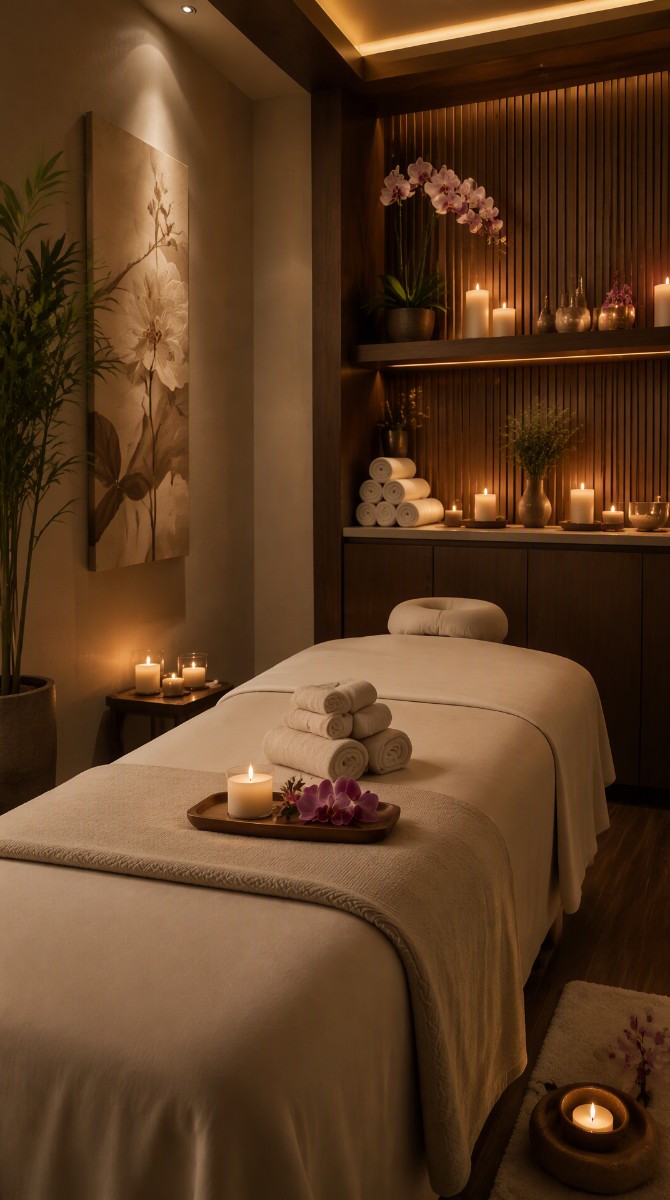
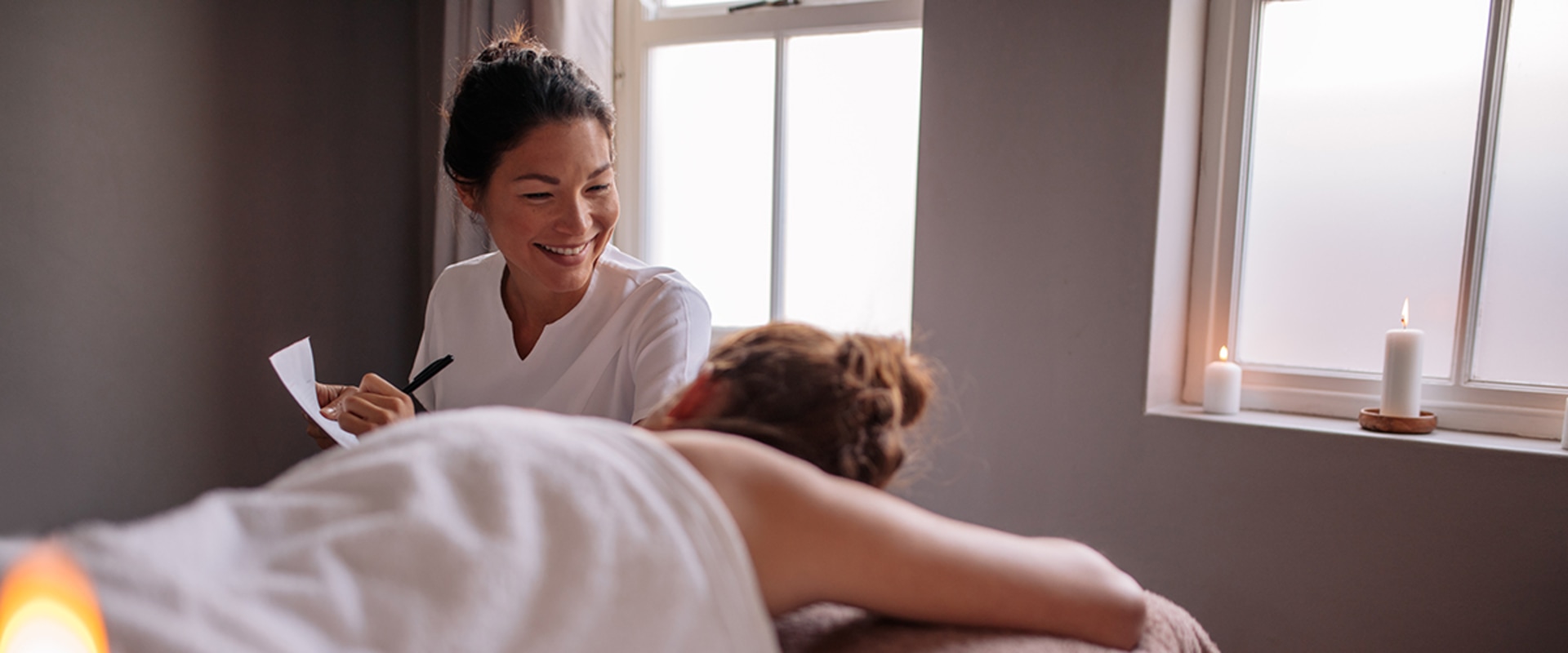
Many establishments create a serene environment with soft lighting, soothing music, and pleasant aromas, all designed to help you relax.One of the first tasks upon arrival will be filling out paperwork. This may include a health questionnaire that helps your therapist understand your medical history, any current conditions, and specific areas of concern. Be honest and thorough in your responses; this information is vital for tailoring the massage to your individual needs. If you have any allergies or sensitivities, make sure to mention them as well.After completing the paperwork, you will likely have a brief consultation with your therapist.
This is an important step where you can discuss your goals for the session, any areas of tension or discomfort, and your preferred pressure level. Don’t hesitate to ask questions about the techniques they plan to use or express any concerns you may have. A good therapist will appreciate your input and will work with you to create a personalised experience.As you prepare for your treatment, take a moment to focus on your breathing. Inhale deeply through your nose and exhale slowly through your mouth.
This simple practice can help calm your mind and body, making it easier to let go of any lingering stress.In summary, arriving early not only allows you to complete necessary paperwork but also provides an opportunity for initial consultations that are essential for a tailored massage experience. By taking these steps, you are actively participating in creating a peaceful environment that enhances relaxation and prepares you for the rejuvenating benefits of massage and body treatments.
Communicating Your Needs: The Key to a Tailored Experience
Effective communication with your massage therapist is crucial for ensuring that your treatment is tailored to your specific needs and preferences. Before your appointment, take the time to reflect on any areas of discomfort or tension in your body, as well as any particular goals you hope to achieve through the massage. This preparation will enable you to articulate your needs clearly during your consultation.When you arrive for your appointment, don’t hesitate to discuss your concerns openly.A skilled therapist will appreciate your honesty and will use this information to adjust their techniques accordingly. Here are some key points to consider when communicating with your therapist:
- Discuss Your Health History: Inform your therapist about any medical conditions, injuries, or allergies that may affect your treatment. This information is vital for ensuring a safe and effective massage.
- Specify Areas of Focus: If you have specific areas that require attention, such as tight shoulders or lower back pain, let your therapist know. This allows them to concentrate on these regions and provide targeted relief.
- Share Your Preferences: Everyone has different preferences when it comes to pressure and technique.
Whether you prefer a gentle touch or deeper pressure, communicate this clearly so that the therapist can adjust their approach accordingly.
- Express Any Discomfort: During the massage, if you experience any discomfort or pain, inform your therapist immediately. They can modify their technique or pressure to ensure your comfort throughout the session.
Post-Massage Care: Maximising Benefits After Your Treatment
After indulging in a soothing massage, it’s crucial to engage in proper post-massage care to maximise the benefits of your treatment.The following tips will help you recover effectively and ensure that you feel rejuvenated long after your appointment.
Stay Hydrated
One of the most important aspects of post-massage care is hydration. During a massage, toxins are released from your muscles into your bloodstream, and drinking water helps flush these out. Aim to drink at least two glasses of water within the first hour after your session. This not only aids in detoxification but also helps to alleviate any potential soreness you might experience.Rest and Relax
Your body has just undergone a therapeutic process, so it’s essential to allow it time to recover.Consider taking a moment to relax in a quiet space after your massage. If possible, avoid jumping back into a hectic schedule immediately. Instead, take some time for yourself—read a book, meditate, or simply enjoy some quiet time.
Avoid Strenuous Activities
After your massage, it’s advisable to steer clear of strenuous activities for at least 24 hours. This includes heavy lifting, intense workouts, or any activity that could strain your muscles.Engaging in such activities too soon can counteract the benefits of your massage and lead to discomfort.
Listen to Your Body
Pay attention to how your body feels post-treatment. It’s normal to experience some mild soreness as your muscles adjust, but if you feel significant pain or discomfort, don’t hesitate to reach out to your massage therapist for advice. They may provide specific recommendations tailored to your needs.Follow Any Specific Instructions
Your therapist may offer personalised aftercare advice based on the type of massage you received and your individual needs. This could include stretches, heat application, or specific hydration recommendations.Following these instructions can enhance the effectiveness of your treatment.In summary, proper post-massage care is vital for maximising the benefits of your massage and ensuring a smooth recovery process. By staying hydrated, allowing yourself time to rest, avoiding strenuous activities, listening to your body, and following any specific instructions from your therapist, you can enjoy the full advantages of your massage and body treatments.
Common Questions About Massage Preparation
Preparing for your first massage can be a bit daunting, especially if you have questions or concerns. Here are some common queries that many clients have before their appointments, along with helpful answers to ease your mind.What should I wear to my massage appointment?
Comfort is key when it comes to clothing for your massage. Most clients choose to undress to their level of comfort, as the therapist will use sheets or towels to cover you during the session.If you prefer to keep some clothing on, opt for loose-fitting attire that allows for easy movement. Remember, your therapist is trained to respect your privacy and will ensure you feel comfortable throughout the process.
How do I communicate my needs to the therapist?
Effective communication is essential for a successful massage experience. Before your session begins, take a moment to discuss any specific areas of tension or discomfort with your therapist. Don’t hesitate to express your preferences regarding pressure—whether you prefer a gentle touch or deeper pressure.A good therapist will welcome this feedback and adjust their techniques accordingly.
What if I have specific health concerns?
If you have any medical conditions or concerns, it’s crucial to inform your therapist beforehand. Conditions such as pregnancy, recent surgeries, or chronic pain may require special considerations. Your therapist can then tailor the treatment to suit your needs safely.Is it normal to feel nervous before my first massage?
Absolutely! Feeling nervous is a common reaction, especially if it’s your first time. To help alleviate anxiety, consider arriving early to familiarise yourself with the environment and meet your therapist.Taking deep breaths and reminding yourself of the benefits of massage can also help calm your nerves.
What should I do after my massage?
After your session, it’s important to take care of yourself. Drink plenty of water to stay hydrated and help flush out any toxins released during the massage. Avoid strenuous activities for the rest of the day and allow yourself time to relax and absorb the benefits of the treatment.By addressing these common questions and concerns, you can approach your massage appointment with confidence and clarity, ensuring a more enjoyable experience overall.Conclusion: Embracing Your Massage Experience with Confidence
As you prepare to embark on your journey towards relaxation and rejuvenation, it’s essential to reflect on the key elements that contribute to a fulfilling massage experience. The importance of preparation cannot be overstated; it serves as the foundation for maximising the benefits of your massage and body treatments.By taking the time to choose the right therapist, plan your appointment effectively, and communicate your needs, you set the stage for a truly transformative experience.Throughout this article, we have explored various aspects of preparing for your massage appointment. From understanding the different types of massages available to recognising the significance of hydration and self-care before and after your session, each detail plays a crucial role in enhancing your overall experience. Remember that a well-informed client is often a more relaxed and satisfied one.Moreover, embracing your upcoming appointment with confidence is vital. Trust in the expertise of your chosen therapist and allow yourself to be open to the experience.
A successful massage is not just about the physical techniques employed; it’s also about creating a safe space where you can let go of stress and tension. Your willingness to engage in this process will significantly impact the outcome.In conclusion, as you look forward to your massage appointment, keep in mind that preparation is key. By following the guidelines discussed, you can ensure that you are not only ready for your session but also poised to fully embrace the benefits it offers. So take a deep breath, relax, and step into your appointment with confidence—your body and mind will thank you for it.