Aromatherapy is a holistic healing practice that harnesses the natural properties of essential oils derived from plants, flowers, and trees. This ancient art has been embraced for thousands of years, with roots tracing back to civilisations such as the Egyptians and Greeks, who recognised the profound effects that these aromatic compounds could have on both the body and mind. In today’s fast-paced world, where stress and anxiety are prevalent, the relevance of aromatherapy has surged, making it a popular choice for those seeking to enhance their overall wellbeing.The benefits of aromatherapy extend far beyond mere fragrance; they encompass a wide array of therapeutic effects that can significantly improve one’s quality of life. Among its most celebrated advantages are relaxation and pain relief.
Essential oils like lavender and chamomile are renowned for their calming properties, helping to alleviate stress and promote restful sleep. Meanwhile, oils such as peppermint and eucalyptus are often employed to soothe muscle tension and reduce discomfort associated with headaches or joint pain. This dual capability makes aromatherapy an invaluable tool in both personal wellness routines and professional settings.As we delve deeper into the specific benefits of aromatherapy, it becomes clear that its applications are vast and varied. From enhancing mood to supporting mental clarity, essential oils can play a pivotal role in fostering emotional balance and physical health.
Whether used in conjunction with massage and body treatments or as standalone therapies, the integration of aromatherapy into daily life offers a pathway to achieving a more harmonious state of being. Understanding these benefits not only enriches our appreciation for this practice but also empowers us to make informed choices about our health and wellness journeys.
Understanding Aromatherapy: What It Is and How It Works
Aromatherapy is a holistic healing practice that harnesses the natural properties of essential oils derived from plants to promote physical, emotional, and mental well-being. At its core, aromatherapy involves the use of these concentrated plant extracts to enhance health and wellness through various methods of application.What is Aromatherapy?
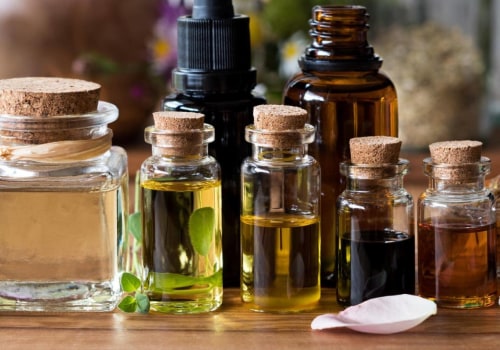
Aromatherapy is defined as the therapeutic use of aromatic substances, primarily essential oils, to improve health and mood. These oils are extracted from different parts of plants, including leaves, flowers, stems, and roots.
Each essential oil possesses unique properties that can influence the body and mind in various ways.
How Does Aromatherapy Work?
The effectiveness of aromatherapy lies in the way essential oils interact with the body. When inhaled, the aromatic molecules travel through the olfactory system directly to the brain, particularly affecting the limbic system, which is responsible for emotions and memory. This connection explains why certain scents can evoke strong emotional responses or memories.Additionally, when applied topically, essential oils can penetrate the skin and enter the bloodstream, providing localized benefits such as pain relief or muscle relaxation. The combination of inhalation and topical application allows for a comprehensive approach to healing.
Types of Essential Oils
There are numerous essential oils available, each with distinct characteristics and benefits.
Some popular essential oils used in aromatherapy include:
- Lavender: Known for its calming properties, lavender oil is often used to reduce anxiety and improve sleep quality.
- Peppermint: This invigorating oil can help alleviate headaches and improve focus.
- Eucalyptus: Renowned for its respiratory benefits, eucalyptus oil can help clear congestion and promote easier breathing.
- Tea Tree: With its antibacterial properties, tea tree oil is commonly used for skin issues and infections.
- Chamomile: Often used for its soothing effects, chamomile oil can help reduce stress and promote relaxation.
Extraction Methods
The extraction method used to obtain essential oils significantly impacts their quality and therapeutic properties. Common methods include:
- Steam Distillation: The most common method where steam passes through plant material, causing the essential oil to evaporate and then condense back into liquid form.
- Cold Pressing: Typically used for citrus oils, this method involves mechanically pressing the peels to release their oils.
- Sole Solvent Extraction: A technique that uses solvents to extract oils from delicate flowers that cannot withstand heat.
The Role of Essential Oils in Aromatherapy
Essential oils are the cornerstone of aromatherapy, each possessing unique properties that can significantly enhance relaxation and alleviate pain. Understanding the specific benefits of various essential oils can empower individuals to select the right ones for their needs.Essential Oils for Relaxation
When it comes to promoting relaxation, certain essential oils stand out due to their calming effects on the mind and body. Here are some of the most effective:- Lavender: Renowned for its soothing aroma, lavender oil is often used to reduce anxiety and improve sleep quality.
Its calming properties make it a staple in many relaxation blends.
- Chamomile: This oil is not only known for its anti-inflammatory properties but also for its ability to promote tranquillity and ease tension. Chamomile is particularly beneficial for those struggling with insomnia.
- Bergamot: With its citrusy scent, bergamot oil can uplift mood while simultaneously reducing stress levels. It is often used in diffusers to create a serene environment.
- Sandalwood: This oil has a rich, woody aroma that promotes mental clarity and relaxation. Sandalwood is frequently used in meditation practices to enhance focus and calm the mind.
Essential Oils for Pain Relief
In addition to relaxation, many essential oils are celebrated for their pain-relieving properties.Here are some notable examples:
- Peppermint: Known for its cooling sensation, peppermint oil can help relieve headaches and muscle pain. Its invigorating scent also aids in mental clarity.
- Eucalyptus: This oil is effective in reducing inflammation and alleviating respiratory issues. Eucalyptus oil can be particularly beneficial when used in massage oils for sore muscles.
- Ginger: With its warming properties, ginger oil is excellent for easing joint pain and muscle stiffness. It can be particularly helpful during colder months when aches tend to worsen.
- Frankincense: Often used in spiritual practices, frankincense also has anti-inflammatory properties that can help reduce pain associated with arthritis and other inflammatory conditions.
By understanding the unique properties of each oil, you can tailor your aromatherapy experience to meet your specific needs.
Benefits of Aromatherapy: Promoting Relaxation
Aromatherapy is a holistic approach that harnesses the power of essential oils to promote relaxation and enhance overall wellbeing. By integrating aromatherapy relaxation techniques into your daily routine, you can create a sanctuary of calm amidst the chaos of modern life.One of the most effective methods for utilising aromatherapy is through the use of a diffuser. This device disperses essential oils into the air, allowing their calming properties to envelop your space. Popular choices for promoting relaxation include:- Lavender: Renowned for its soothing effects, lavender oil can help reduce anxiety and improve sleep quality.
- Chamomile: Often used to alleviate stress, chamomile oil has gentle sedative properties that can help calm the mind.
- Bergamot: This citrus oil not only uplifts the mood but also reduces feelings of tension and anxiety.
When essential oils are blended with carrier oils and applied during a massage, they penetrate the skin and provide both physical and emotional relief. Techniques such as:
- Swedish massage: Utilises long strokes and kneading to promote relaxation while essential oils enhance the experience.
- Aromatherapy massage: Specifically focuses on using essential oils tailored to individual needs, allowing for a deeply personalised experience.
Whether through diffusing calming essential oils or indulging in therapeutic massages, these practices can help you achieve a state of tranquility that supports your overall health and wellbeing.
Aromatherapy for Pain Relief: Easing Discomfort Naturally
Aromatherapy offers a holistic approach to managing pain, utilising the therapeutic properties of essential oils to alleviate discomfort naturally. This practice is particularly beneficial for those seeking alternatives to conventional pain relief methods, which may come with unwanted side effects.Several essential oils are renowned for their analgesic properties, making them effective in treating various types of pain. Here are some of the most commonly used essential oils for pain management:- Lavender Oil: Known for its calming effects, lavender oil also possesses anti-inflammatory and analgesic properties. It can be particularly effective for headaches and muscle soreness.
- Peppermint Oil: The menthol in peppermint oil provides a cooling sensation that can help relieve tension headaches and muscle pain.
Its invigorating scent can also uplift mood, making it a dual-purpose remedy.
- Eucalyptus Oil: With its anti-inflammatory properties, eucalyptus oil is excellent for easing joint pain and respiratory issues. It can be used in steam inhalation or diluted in carrier oils for topical application.
- Ginger Oil: Ginger is well-known for its ability to reduce inflammation and improve circulation. Ginger oil can be particularly useful for arthritis and muscle pain.
- Chamomile Oil: Chamomile is not only soothing but also has anti-inflammatory properties that can help alleviate pain associated with conditions like fibromyalgia.
- Topical Application: Dilute essential oils with a carrier oil such as coconut or jojoba oil before applying them directly to the affected area. This method allows the oils to penetrate the skin and provide targeted relief.
- Aromatherapy Massage: Incorporating essential oils into massage therapy enhances relaxation while simultaneously addressing pain.
The combination of gentle pressure and aromatic oils can significantly reduce discomfort.
- Inhalation: Diffusing essential oils in your living space or adding a few drops to a bowl of hot water can create an aromatic steam that helps relieve headaches and sinus pressure.
Enhancing Mental Clarity and Mood with Aromatherapy
Aromatherapy is not only a means of physical healing but also a powerful tool for enhancing mental clarity and uplifting mood. The psychological benefits of essential oils are profound, as they can influence our emotions and cognitive functions in various ways. By harnessing the power of specific scents, individuals can experience improved mental clarity, reduced anxiety, and an overall enhancement in their emotional well-being.One of the key aspects of aromatherapy is its ability to stimulate the brain's limbic system, which is responsible for emotions and memory.When inhaled, essential oils can trigger emotional responses that may lead to feelings of happiness, calmness, or even motivation. Here are some essential oils known for their mood-enhancing properties:
- Lavender: Renowned for its calming effects, lavender oil can help reduce anxiety and promote relaxation. Its soothing scent is often used to improve sleep quality, which in turn can enhance mood and mental clarity.
- Peppermint: This invigorating oil is excellent for boosting energy levels and enhancing focus. The refreshing aroma of peppermint can help clear the mind and improve concentration, making it ideal for those needing a mental pick-me-up.
- Citrus Oils (e.g., Orange, Lemon): Citrus scents are known for their uplifting properties.
They can help alleviate feelings of sadness and fatigue while promoting a sense of joy and positivity.
- Rosemary: Often associated with memory enhancement, rosemary oil can improve cognitive function and mental clarity. Its stimulating scent can help combat mental fatigue and enhance alertness.
- Bergamot: This oil is particularly effective in reducing stress and anxiety. Its sweet, citrusy aroma can elevate mood and create a sense of calmness.
Additionally, applying diluted essential oils topically on pulse points can provide immediate access to their uplifting benefits.Moreover, the ritual of using aromatherapy itself can be a form of self-care that enhances emotional well-being. Taking time to engage with these scents allows individuals to pause, reflect, and reconnect with themselves amidst the chaos of daily life. This mindful practice not only promotes relaxation but also fosters a deeper understanding of one’s emotional landscape.In conclusion, the use of aromatherapy for enhancing mental clarity and mood is a valuable addition to holistic health practices. By selecting the right essential oils and incorporating them into everyday life, individuals can experience significant improvements in their emotional well-being and cognitive function.
Aromatherapy in Massage and Body Treatments
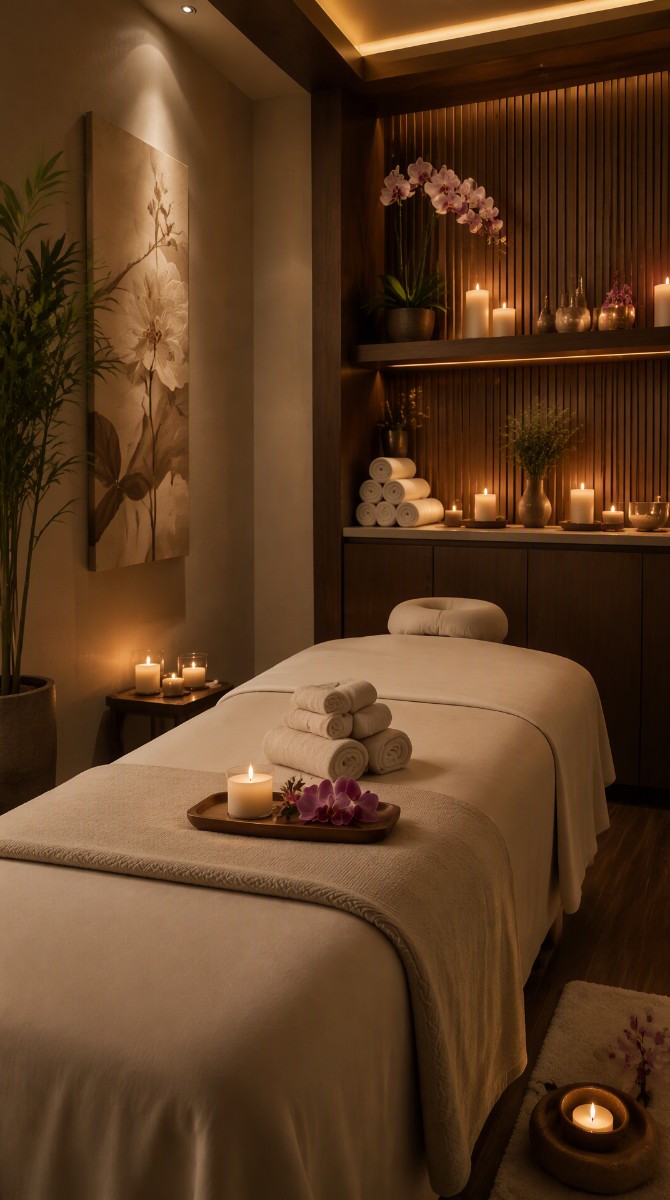
Aromatherapy, when integrated into massage therapy and body treatments, creates a holistic approach to wellness that enhances both physical and emotional healing.The combination of essential oils with massage techniques not only amplifies the benefits of relaxation but also targets specific ailments, making it a popular choice for those seeking comprehensive care.One of the primary advantages of incorporating aromatherapy into massage is the enhanced relaxation it provides. Essential oils such as lavender, chamomile, and bergamot are renowned for their calming properties. When these oils are used during a massage, they can help to lower cortisol levels, reduce anxiety, and promote a sense of tranquillity. This synergy between touch and scent allows clients to experience deeper relaxation than with massage alone.Moreover, certain essential oils possess analgesic and anti-inflammatory properties that can significantly aid in pain relief.
For instance, oils like peppermint and eucalyptus can be particularly effective in alleviating muscle tension and soreness. When combined with the kneading and manipulation of muscles during a massage, these oils can penetrate the skin more effectively, providing targeted relief to areas of discomfort.In addition to physical benefits, the emotional uplift provided by aromatherapy cannot be overlooked. The olfactory system is closely linked to the brain's limbic system, which governs emotions. By using essential oils that evoke positive feelings or memories, therapists can enhance mood and promote emotional healing during body treatments.
This aspect is especially beneficial for individuals dealing with stress or emotional trauma.Furthermore, the use of aromatherapy in body treatments extends beyond just massages. Spa treatments such as body wraps and scrubs can also incorporate essential oils to enhance their therapeutic effects. For example, a detoxifying body wrap infused with tea tree oil can not only cleanse the skin but also provide antimicrobial benefits, promoting overall skin health.In conclusion, the integration of aromatherapy into massage and body treatments offers a multifaceted approach to wellness. By combining the physical benefits of massage with the therapeutic properties of essential oils, clients can experience profound relaxation, pain relief, and emotional balance.
Whether you are seeking relief from chronic pain or simply wish to unwind after a hectic week, aromatherapy-infused treatments can provide a pathway to enhanced wellbeing.
Addressing Common Health Issues with Aromatherapy
Aromatherapy is not only a powerful tool for relaxation and pain relief; it also offers significant benefits for addressing various health issues. By harnessing the therapeutic properties of essential oils, individuals can find natural solutions to common ailments, including skin conditions, respiratory problems, and immune support.Essential Oils for Skin Conditions
Many people struggle with skin issues such as acne, eczema, and psoriasis. Aromatherapy can provide a holistic approach to managing these conditions. Certain essential oils possess antimicrobial and anti-inflammatory properties that can help soothe irritated skin and promote healing.- Tea Tree Oil: Renowned for its antibacterial properties, tea tree oil is effective in treating acne by reducing inflammation and preventing the growth of bacteria on the skin.
- Lavender Oil: Known for its calming scent, lavender oil also has healing properties that can alleviate skin irritations and promote skin regeneration.
- Frankincense Oil: This oil is beneficial for reducing the appearance of scars and blemishes while also providing hydration to dry skin.
Treating Respiratory Issues
Aromatherapy can also play a vital role in alleviating respiratory problems such as asthma, allergies, and colds.The inhalation of certain essential oils can help clear airways, reduce congestion, and promote easier breathing.
- Eucalyptus Oil: This oil is well-known for its ability to open up the airways and ease breathing difficulties. It acts as a natural decongestant and is often used in steam inhalation therapies.
- Peppermint Oil: With its cooling effect, peppermint oil can help relieve sinus pressure and headaches associated with respiratory issues.
- Lemon Oil: This uplifting oil not only freshens the air but also has antiviral properties that can help combat respiratory infections.
Boosting Immune Support
Aromatherapy can also aid in strengthening the immune system. Certain essential oils are known for their antiviral , antibacterial , and antifungal properties, making them excellent allies in maintaining overall health.- Oregano Oil: This potent oil is celebrated for its ability to fight off infections and boost immunity due to its high antioxidant content.
- Thyme Oil: Known for its strong antimicrobial properties, thyme oil can help protect against various pathogens while supporting respiratory health.
- Cinnamon Oil: This warming oil not only enhances flavour but also has immune-boosting properties that can help ward off illness during cold seasons.
Safety Considerations When Using Aromatherapy
While aromatherapy offers numerous benefits, it is essential to approach its use with caution to ensure safety and effectiveness. Understanding the potential risks associated with essential oils can help you enjoy their therapeutic properties without adverse effects.Allergies and Sensitivities
Before using any essential oil, it is crucial to conduct a patch test to check for allergic reactions.
Apply a diluted drop of the oil to a small area of skin, such as the inside of your wrist, and wait 24 hours to see if any irritation occurs. If redness, itching, or swelling develops, discontinue use immediately.
Proper Dilution
Essential oils are highly concentrated substances and should never be applied directly to the skin without dilution. A general guideline is to dilute essential oils in a carrier oil, such as sweet almond or jojoba oil, at a ratio of 1-2 drops of essential oil per teaspoon of carrier oil. This not only reduces the risk of skin irritation but also enhances absorption.
Contraindications
Certain essential oils may not be suitable for everyone.
Pregnant or breastfeeding women should consult a healthcare professional before using any essential oils, as some can have adverse effects on pregnancy or lactation. Additionally, individuals with specific health conditions, such as epilepsy or asthma, should avoid certain oils that may trigger symptoms.
Storage and Shelf Life
To maintain the potency and safety of essential oils, store them in a cool, dark place away from direct sunlight. Most essential oils have a shelf life of 1-3 years; however, some may degrade faster if not stored properly. Always check for changes in colour or scent before use.
Consultation with Professionals
If you are new to aromatherapy or have underlying health concerns, consider consulting an experienced aromatherapist or healthcare provider.
They can provide tailored advice on which essential oils are safe for your specific needs and how to use them effectively.By following these safety considerations, you can enjoy the many benefits of aromatherapy while minimising potential risks. Always prioritise your health and wellbeing when incorporating essential oils into your routine.
Conclusion: Embracing Aromatherapy for Holistic Wellbeing
In conclusion, the integration of aromatherapy into our daily routines offers a multitude of benefits that extend far beyond mere relaxation. As we have explored throughout this article, the therapeutic properties of essential oils can significantly enhance our overall wellbeing, providing effective solutions for both physical and emotional challenges.One of the most compelling advantages of aromatherapy is its ability to promote deep relaxation. The calming effects of certain essential oils can help alleviate stress and anxiety, creating a serene environment conducive to mental clarity and emotional stability.By incorporating these oils into practices such as massage and body treatments, individuals can experience a profound sense of peace that not only soothes the mind but also rejuvenates the body.Moreover, aromatherapy serves as a natural remedy for pain relief. Essential oils like lavender, peppermint, and eucalyptus possess anti-inflammatory properties that can effectively reduce discomfort associated with sore muscles, joint pain, and headaches. When combined with massage techniques, these oils can enhance the therapeutic effects, providing a holistic approach to pain management.Additionally, the mood-enhancing qualities of aromatherapy cannot be overlooked. The uplifting scents of citrus oils or floral fragrances can elevate one’s spirits and foster a sense of joy.
This emotional upliftment is crucial in today’s fast-paced world, where mental health is often compromised by daily stresses.Furthermore, aromatherapy's versatility allows it to address various health concerns beyond relaxation and pain relief. From aiding digestion to improving sleep quality, the applications are vast and varied. By selecting the right essential oils tailored to individual needs, one can create a personalised wellness routine that promotes holistic health.Ultimately, embracing aromatherapy as part of your lifestyle can lead to significant improvements in both physical and mental health. Whether through self-care rituals at home or professional treatments in wellness centres, the benefits are profound and far-reaching.
As you consider incorporating aromatherapy into your life, remember to consult with qualified practitioners who can guide you in selecting the most suitable essential oils for your unique needs.In summary, aromatherapy is not just a fleeting trend; it is a time-honoured practice that offers genuine benefits for relaxation, pain relief, and overall wellbeing. By making it a regular part of your self-care routine, you can unlock its full potential and embark on a journey towards enhanced health and happiness.