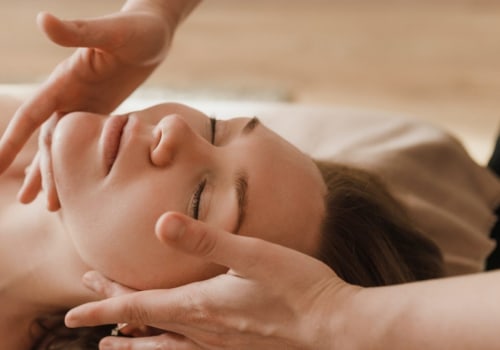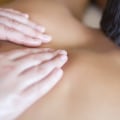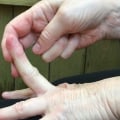
Shiatsu massage is a traditional Japanese therapy that has its roots in ancient Chinese medicine, where the principles of energy flow and balance are paramount. The term "shiatsu" translates to "finger pressure," which aptly describes the primary technique used in this form of massage. Practitioners apply pressure to specific points on the body, known as tsubos , to stimulate the body's natural healing processes and restore harmony. This holistic approach not only addresses physical ailments but also promotes emotional and mental wellbeing, making it a comprehensive form of massage and body treatments.The techniques employed in shiatsu are diverse, incorporating elements of acupressure, stretching, and joint manipulation.
Unlike traditional Western massage, which often focuses on muscle relaxation through kneading and rubbing, shiatsu emphasizes the flow of qi (or chi), the vital life force believed to circulate through the body. By targeting meridian lines—pathways through which this energy flows—shiatsu practitioners aim to alleviate blockages that can lead to discomfort or illness. This makes shiatsu not just a treatment for existing conditions but also a preventive measure for maintaining overall health.As part of the broader category of massage and body treatments, shiatsu stands out due to its unique blend of physical manipulation and energetic healing. It is suitable for individuals of all ages and can be adapted to meet specific needs, whether one is seeking relief from chronic pain, stress reduction, or simply a moment of relaxation.
Understanding shiatsu massage is essential for anyone interested in exploring alternative therapies that promote holistic health and wellbeing.
The Historical Context of Shiatsu Massage
Shiatsu massage, a form of therapeutic bodywork, has a rich historical context that traces back to ancient practices in Japan and China. Its roots can be found in traditional Japanese medicine, which integrates various elements of Eastern philosophy and healing techniques. The term shiatsu itself translates to "finger pressure," reflecting the primary technique used in this massage style.The origins of shiatsu can be linked to the ancient practice of anma, a form of massage that dates back over a thousand years. Anma was influenced by Chinese medicine, particularly the concepts of Qi (or energy) and the meridian system, which posits that energy flows through specific pathways in the body.Practitioners believed that by applying pressure to these points, they could restore balance and promote healing.During the early 20th century, shiatsu began to evolve as a distinct practice. Tokujiro Namikoshi , a pivotal figure in this evolution, founded the first shiatsu school in Japan in 1940. He developed a systematic approach to shiatsu that combined Western anatomical knowledge with traditional techniques. Namikoshi's work helped to formalise shiatsu as a recognised form of therapy, leading to its integration into Japan's healthcare system.As shiatsu gained popularity, it also began to incorporate elements from other traditional Japanese therapies such as kyusho (pressure point therapy) and seiki (a form of body alignment).
This blending of techniques enriched the practice, allowing it to address a wider range of physical and emotional issues.In the latter half of the 20th century, shiatsu spread beyond Japan's borders, gaining recognition in Western countries as an effective form of alternative therapy. Today, it is practised globally and is often integrated into holistic health approaches alongside other forms of massage and body treatments.The historical context of shiatsu not only highlights its evolution but also enhances our understanding of its benefits. By appreciating its origins and development, practitioners and clients alike can better recognise the profound impact that this ancient art can have on modern health and wellbeing.
How Shiatsu Massage Works
Shiatsu massage is rooted in the principles of traditional Japanese medicine, which emphasises the importance of energy flow within the body. This energy, known as Qi (or Chi), is believed to circulate through pathways called meridians.When the flow of Qi is disrupted, it can lead to physical and emotional imbalances. Shiatsu aims to restore this balance by applying pressure to specific points on the body, known as acupressure points .The practice of shiatsu involves a variety of techniques that include pressing, kneading, and stretching. These techniques are designed to stimulate the acupressure points, which correspond to different organs and systems within the body. By targeting these points, shiatsu practitioners can help release blockages in the energy flow, promoting healing and relaxation.
Pressure Points in Shiatsu
- Tsubo: These are the specific points where pressure is applied during a shiatsu session.
Each tsubo corresponds to a particular organ or function in the body.
- Location: Pressure points are strategically located along the meridians and can be found on various parts of the body, including the arms, legs, back, and abdomen.
- Technique: Practitioners use their fingers, palms, elbows, or even feet to apply varying degrees of pressure to these points, depending on the client's needs.
Energy Flow in Shiatsu
The concept of energy flow is central to understanding how shiatsu works. Practitioners believe that when Qi flows freely through the meridians, it supports optimal health.
Conversely, blockages or stagnation can lead to discomfort or illness. Shiatsu massage helps to:
- Enhance Circulation: By stimulating blood flow and lymphatic drainage, shiatsu promotes detoxification and nutrient delivery throughout the body.
- Reduce Muscle Tension: The application of pressure helps relax tight muscles and relieve pain.
- Balance Emotions: Shiatsu can also address emotional blockages by promoting relaxation and reducing anxiety.
Physical Benefits of Shiatsu Massage
Shiatsu massage is renowned for its myriad of physical benefits , making it a popular choice for those seeking to enhance their overall health and wellbeing.One of the most significant advantages of this therapeutic practice is its ability to improve circulation. By applying pressure to specific points on the body, shiatsu stimulates blood flow, which not only nourishes the muscles and organs but also aids in the removal of toxins. Improved circulation can lead to increased energy levels and a more vibrant sense of health.Another key benefit of shiatsu massage is its effectiveness in relieving muscle tension. Many individuals experience tightness and discomfort due to stress, poor posture, or physical activity.
Shiatsu techniques, which include kneading and stretching, work to release this tension by targeting knots and tight areas in the muscles. This release not only alleviates pain but also promotes relaxation throughout the body.In addition to enhancing circulation and relieving muscle tension, shiatsu massage can significantly improve flexibility. The stretching techniques employed during a session help to elongate muscles and increase the range of motion in joints. This is particularly beneficial for athletes or individuals who engage in regular physical activity, as it can lead to improved performance and reduced risk of injury.Furthermore, shiatsu massage has been shown to provide effective pain relief.
Whether it’s chronic pain from conditions such as arthritis or acute pain from injuries, shiatsu can help manage discomfort. The pressure applied during the massage stimulates the release of endorphins, the body’s natural painkillers, which can lead to a significant reduction in pain perception.In summary, the physical benefits of shiatsu massage are extensive. From improved circulation and muscle tension relief to enhanced flexibility and pain management, this ancient practice offers a holistic approach to physical health. Incorporating shiatsu into your wellness routine can lead to lasting improvements in your overall physical condition.
Mental and Emotional Benefits of Shiatsu Massage
Shiatsu massage is not only a physical treatment but also a profound method for enhancing mental and emotional wellbeing.The practice, rooted in traditional Japanese techniques, focuses on the body's energy pathways, known as meridians, which play a crucial role in maintaining both physical and emotional health. By applying pressure to specific points, shiatsu massage can significantly alleviate stress, anxiety, and depression, fostering a sense of relaxation and emotional balance.One of the primary mental benefits of shiatsu massage is its ability to reduce stress levels. In today’s fast-paced world, stress has become a common affliction that can lead to various health issues. Shiatsu massage promotes relaxation by stimulating the parasympathetic nervous system, which helps to counteract the body's stress response.
This relaxation response can lead to lower cortisol levels, the hormone associated with stress, thereby promoting a calmer state of mind.Moreover, shiatsu massage can be particularly effective in alleviating symptoms of anxiety. The gentle yet firm pressure applied during the treatment encourages the release of endorphins—natural mood lifters that can help combat feelings of anxiety and promote a sense of wellbeing. Regular sessions can create a cumulative effect, leading to long-term improvements in mood and emotional resilience.In addition to reducing stress and anxiety, shiatsu massage can also help combat depression. The holistic approach of this therapy addresses not only physical discomfort but also emotional blockages that may contribute to depressive feelings.
By restoring energy flow and promoting relaxation, shiatsu can help individuals reconnect with their bodies and emotions, fostering a more positive outlook on life.Furthermore, the practice encourages mindfulness—a state of being present in the moment—which is essential for emotional balance. During a shiatsu session, clients are encouraged to focus on their breathing and bodily sensations, which can enhance self-awareness and promote a deeper understanding of one’s emotional state.In summary, the mental and emotional benefits of shiatsu massage are profound and multifaceted. By reducing stress levels, alleviating anxiety and depression, and promoting mindfulness, shiatsu serves as an effective tool for enhancing overall emotional wellbeing. Incorporating this therapeutic practice into your self-care routine can lead to significant improvements in mental health and emotional balance.
Shiatsu Massage Techniques Explained
Shiatsu massage is characterised by a variety of techniques that work together to promote healing and relaxation.Understanding these techniques can enhance your experience, whether you are receiving a professional treatment or practising self-shiatsu at home.
Key Shiatsu Techniques
The primary techniques used in shiatsu massage include:- Finger Pressure: This foundational technique involves applying pressure to specific points on the body, known as acupressure points. Practitioners use their fingers, thumbs, and palms to exert varying degrees of pressure, which helps to stimulate energy flow and relieve tension.
- Palming: In this technique, the practitioner uses the palm of their hand to apply broader pressure across larger areas of the body. This method is particularly effective for relaxing tight muscles and promoting overall relaxation.
- Stretching: Shiatsu incorporates gentle stretching movements that help to increase flexibility and range of motion. These stretches can alleviate stiffness and improve circulation, making them an essential part of the treatment.
- Joint Manipulation: This technique involves moving the joints through their natural range of motion.
By gently manipulating joints, practitioners can help release tension and improve mobility.
- Rotational Movements: Rotating specific body parts, such as the shoulders or hips, can help to release built-up tension and improve blood flow. This technique is often used in conjunction with other shiatsu methods.
Self-Shiatsu Techniques
Practising self-shiatsu can be a valuable addition to your self-care routine. Here are some simple techniques you can try at home:- Neck and Shoulder Release: Use your fingers to apply pressure to the base of your skull and along your neck. Gradually move down to your shoulders, using circular motions to relieve tension.
- Hand Pressure Points: Press the fleshy part between your thumb and index finger with your opposite thumb for about 30 seconds.
This technique can help alleviate headaches and reduce stress.
- Foot Massage: Apply pressure to the soles of your feet using a tennis ball or your thumbs. Focus on areas that feel particularly tight or sore, as this can help improve overall relaxation.
Who Can Benefit from Shiatsu Massage?
Shiatsu massage is a versatile therapy that can benefit a wide range of individuals, regardless of age or lifestyle. Its holistic approach to healing makes it particularly effective for various demographics, each with unique needs and challenges.Athletes
often turn to shiatsu massage to enhance their performance and recovery.
The deep pressure techniques used in shiatsu can help alleviate muscle tension, improve flexibility, and promote faster recovery from injuries. By targeting specific meridian points, athletes can experience reduced soreness and improved circulation, which are essential for optimal performance.
Office workers
frequently suffer from stress and tension due to long hours spent sitting at desks. Shiatsu massage can provide significant relief from the physical strain associated with prolonged sitting, such as neck and back pain. Regular sessions can help reduce stress levels, improve posture, and enhance overall productivity by promoting relaxation and mental clarity.Individuals dealing with chronic pain conditions, such as fibromyalgia or arthritis, may find shiatsu massage particularly beneficial.
The therapy works by stimulating the body's natural healing processes, helping to alleviate pain and discomfort. Shiatsu can also improve joint mobility and reduce inflammation, making it a valuable treatment option for those suffering from persistent pain.Moreover, shiatsu massage is suitable for individuals experiencing stress-related issues , including anxiety and depression. The calming effects of the therapy can help balance emotions and promote a sense of wellbeing. By addressing both physical and emotional aspects of health, shiatsu provides a comprehensive approach to managing stress.Additionally, pregnant women can benefit from shiatsu massage as it helps alleviate common discomforts associated with pregnancy, such as back pain and swelling.
However, it is crucial for expectant mothers to consult with their healthcare provider before beginning any new therapy.In summary, shiatsu massage is a beneficial therapy for a diverse range of individuals. Whether you are an athlete seeking performance enhancement, an office worker combating stress, or someone managing chronic pain or emotional challenges, shiatsu offers a holistic approach to improving health and wellbeing.
Incorporating Shiatsu into Your Self-Care Routine
Incorporating shiatsu massage into your self-care routine can significantly enhance your overall wellbeing. This ancient practice not only alleviates physical discomfort but also promotes mental clarity and emotional balance. To fully reap the benefits of shiatsu, it is essential to establish a consistent schedule and find a qualified practitioner who aligns with your needs.Frequency of Sessions
Determining how often to engage in shiatsu sessions depends on individual circumstances, including your health goals and current physical condition.
For those new to shiatsu or experiencing significant stress or pain, starting with weekly sessions can be beneficial. This frequency allows for the gradual release of tension and helps establish a deeper connection with your body’s energy flow.As you begin to notice improvements in your physical and mental state, you may consider reducing the frequency to bi-weekly or monthly sessions. Regular treatments can help maintain the benefits achieved, ensuring that you remain balanced and relaxed. Listening to your body is crucial; if you feel tension returning or stress levels rising, it may be time to schedule an additional session.
Finding a Qualified Practitioner
Choosing the right shiatsu practitioner is vital for a positive experience.
Look for someone who is certified and has substantial experience in the field. You can start by asking for recommendations from friends or family who have had successful experiences with shiatsu massage. Additionally, online reviews and local directories can provide insights into practitioners in your area.When meeting a potential practitioner, don’t hesitate to ask about their qualifications, experience, and approach to treatment. A good practitioner will take the time to understand your specific needs and health concerns, tailoring their techniques accordingly.
It’s also important that you feel comfortable with them; trust and communication are key components of effective therapy.
Integrating Shiatsu into Your Wellness Routine
To maximise the benefits of shiatsu massage, consider integrating it into a broader wellness routine. This could include practices such as yoga, meditation, or regular exercise, all of which complement the effects of shiatsu by promoting relaxation and enhancing flexibility. Additionally, maintaining a balanced diet and staying hydrated can further support your body’s healing processes.By making shiatsu a regular part of your self-care regimen, you not only invest in your physical health but also nurture your mental and emotional wellbeing. Embrace this holistic approach to self-care, and allow yourself the time and space to heal and rejuvenate.
Finding a Qualified Shiatsu Practitioner
Finding a qualified shiatsu practitioner is essential for ensuring a safe and effective treatment experience.With the growing popularity of shiatsu massage, it is important to know what qualifications to look for and how to choose the right therapist for your needs.
Qualifications for Shiatsu Therapists
- Certification: Look for practitioners who have completed a recognised shiatsu training programme. This typically involves extensive coursework in anatomy, physiology, and the principles of shiatsu. Certification from reputable organisations, such as the Shiatsu Society or similar bodies, can provide assurance of their training.
- Experience: Inquire about the therapist's experience in providing shiatsu massage. A practitioner with several years of experience is likely to have honed their skills and developed a deeper understanding of various conditions and how to address them.
- Specialisations: Some practitioners may specialise in specific areas, such as sports injuries, stress relief, or chronic pain management.
If you have particular health concerns, seek out a therapist who has expertise in those areas.
Questions to Ask During Consultations
Before committing to a session, it is advisable to have an initial consultation with the practitioner. This allows you to gauge their approach and ensure they are a good fit for your needs. Here are some questions you might consider asking:
- What is your training background? Understanding their educational background can help you assess their qualifications.
- How many years have you been practising shiatsu? Experience can significantly impact the quality of treatment.
- Can you explain your approach to treatment? This will give you insight into their methodology and whether it aligns with your expectations.
- Do you have experience treating my specific condition? If you have particular health issues, it’s important that the practitioner is familiar with them.
- What should I expect during a session? Knowing what to expect can help alleviate any anxiety about the treatment process.
Choosing the Right Massage Therapist
Your comfort level with a therapist is crucial for a successful shiatsu experience. Pay attention to how they communicate and whether they listen to your concerns.
A good practitioner will take the time to understand your needs and tailor their approach accordingly. Additionally, consider factors such as location, availability, and pricing when making your decision.In summary, finding a qualified shiatsu practitioner involves looking for proper certification, relevant experience, and specialisation in areas that meet your needs. By asking thoughtful questions during consultations and assessing your comfort level with potential therapists, you can ensure a positive and beneficial shiatsu massage experience.
<strong>Conclusion</strong>
In summary, shiatsu massage is a profound and holistic therapy that offers a multitude of benefits for both physical and mental health. By employing techniques that focus on pressure points and energy pathways, shiatsu not only alleviates discomfort but also promotes a sense of overall wellbeing.This ancient practice, rooted in traditional Japanese medicine, has stood the test of time due to its effectiveness in addressing various health concerns.The benefits of shiatsu massage are extensive and varied. To recap, some of the most notable advantages include:
- Enhanced Circulation: Shiatsu stimulates blood flow, which is essential for delivering oxygen and nutrients to tissues while removing waste products.
- Muscle Relaxation: The application of pressure helps to release tension in the muscles, leading to improved flexibility and reduced pain.
- Stress Reduction: Regular sessions can significantly lower stress levels, promoting relaxation and mental clarity.
- Improved Sleep Quality: By calming the mind and body, shiatsu can help individuals achieve deeper, more restorative sleep.
- Boosted Immunity: The therapy encourages the release of endorphins, which can enhance immune function and overall health.
- Digestive Health: Shiatsu can aid in digestion by stimulating the digestive organs and improving gut function.
By understanding its benefits and integrating this practice into your life, you can take significant steps towards achieving a healthier and more harmonious existence.