In today’s fast-paced world, the concepts of stress and anxiety have become increasingly prevalent, affecting individuals across all walks of life. From the pressures of work deadlines to the demands of family responsibilities, many people find themselves grappling with overwhelming feelings that can significantly impact their overall well-being. Stress is often described as a response to external pressures, while anxiety tends to manifest as a more persistent feeling of unease or worry. Both conditions can lead to a myriad of mental health challenges, including depression, irritability, and difficulty concentrating.The impact of stress and anxiety extends beyond mental health; they can also take a toll on physical health.
Chronic stress has been linked to various health issues such as hypertension, heart disease, and weakened immune function. Furthermore, individuals experiencing high levels of anxiety may suffer from physical symptoms like muscle tension, headaches, and digestive problems. This intricate relationship between mental and physical health underscores the importance of addressing these issues holistically.As we navigate through life’s challenges, it becomes crucial to explore effective strategies for managing stress and anxiety. One such approach that has gained recognition for its therapeutic benefits is massage and body treatments.
These practices not only promote relaxation but also offer a pathway to improved mental clarity and emotional stability. By understanding the nature of stress and anxiety, we can better appreciate how massage therapy can serve as a valuable tool in our quest for balance and well-being.
The Science Behind Massage Therapy
Massage therapy is not merely a luxury; it is a scientifically-backed method of promoting physical and mental well-being. Understanding the physiological mechanisms at play can help demystify how massage works and why it is effective in reducing stress and anxiety.At the core of massage therapy's effectiveness lies its profound impact on the nervous system. When a person receives a massage, the body enters a state of relaxation, which activates the parasympathetic nervous system.This system is responsible for the body’s rest-and-digest functions, counteracting the stress-induced fight-or-flight response governed by the sympathetic nervous system. As a result, heart rate and blood pressure decrease, leading to an overall sense of calm.Moreover, massage therapy has been shown to influence hormone levels. Research indicates that massage can significantly lower cortisol levels, a hormone associated with stress. In contrast, it can elevate levels of serotonin and dopamine, neurotransmitters that contribute to feelings of happiness and well-being.
This hormonal balance is crucial for managing stress and anxiety effectively.Additionally, massage enhances blood circulation , which plays a vital role in overall body function. Improved circulation ensures that oxygen and nutrients are efficiently delivered to tissues while facilitating the removal of metabolic waste products. This process not only aids in muscle recovery but also promotes a sense of vitality and energy.Furthermore, the tactile stimulation provided by massage can lead to increased production of endorphins—natural painkillers that also promote feelings of euphoria. This biochemical response can help alleviate symptoms of anxiety and depression, making massage therapy an invaluable tool for mental health.In summary, the science behind massage therapy reveals its multifaceted benefits.
By understanding how it affects the nervous system, hormone levels, and overall body function, individuals can appreciate its role as an effective strategy for reducing stress and anxiety. The physiological responses triggered by massage not only enhance physical health but also contribute significantly to emotional well-being.
Physical Benefits of Massage for Stress Relief
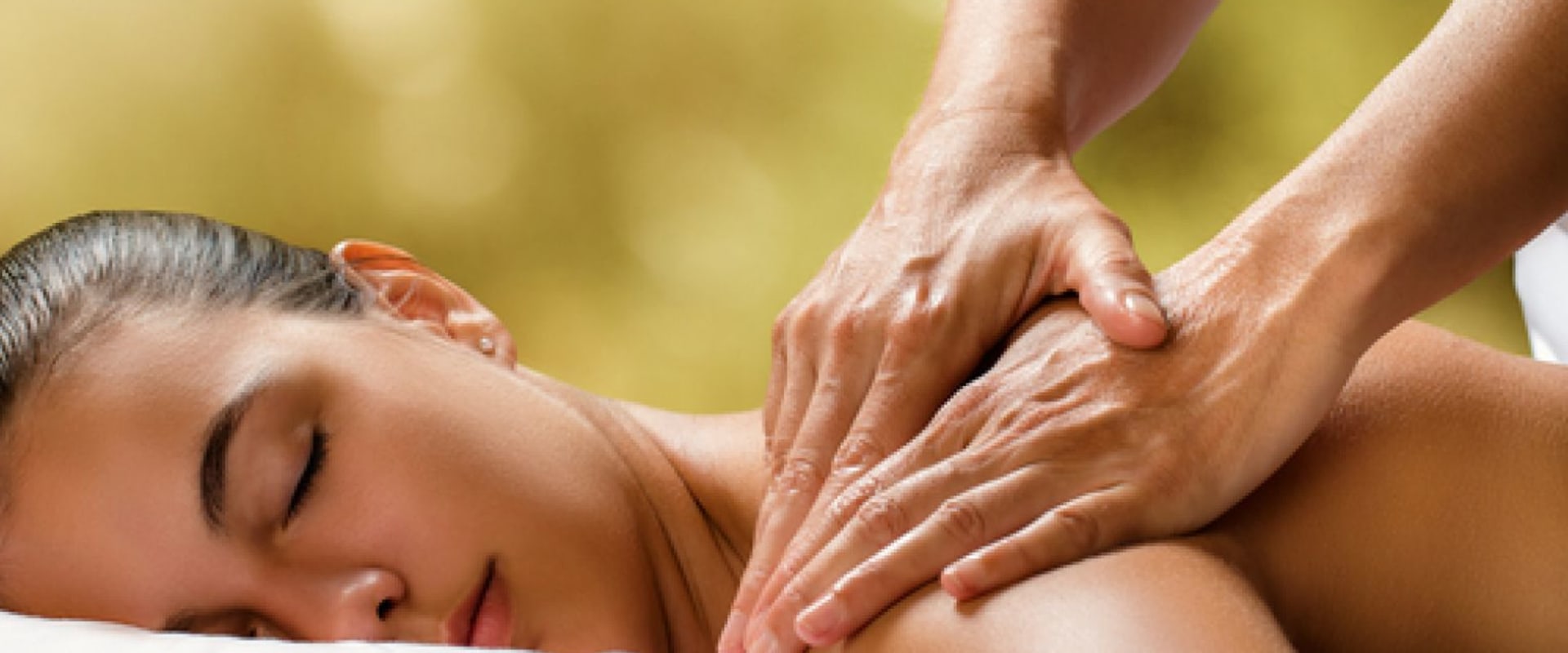
Massage therapy offers a multitude of physical benefits that play a crucial role in alleviating stress and promoting overall wellbeing. One of the most significant advantages of massage is its ability to reduce cortisol levels, the hormone primarily responsible for stress. Elevated cortisol can lead to various health issues, including anxiety, weight gain, and sleep disturbances.Regular massage sessions have been shown to effectively lower cortisol levels, thereby helping individuals manage their stress more effectively.In addition to hormonal balance, massage significantly improves circulation. Enhanced blood flow is vital for delivering oxygen and nutrients to tissues while removing waste products from the body. Improved circulation can lead to better organ function and increased energy levels, which are essential for coping with daily stressors. Techniques such as Swedish massage or deep tissue massage specifically target muscle groups, promoting blood flow and aiding in recovery from physical exertion.Another key benefit of massage is its ability to alleviate muscle tension.
Stress often manifests physically through tightness in muscles, leading to discomfort and pain. Massage techniques work by relaxing these tense muscles, which not only relieves pain but also promotes a sense of relaxation throughout the body. This release of tension can help individuals feel lighter and more at ease, both physically and mentally.Furthermore, regular massage can enhance overall physical wellbeing by improving flexibility and range of motion. As muscles relax and tension dissipates, individuals may find it easier to engage in physical activities, which can further contribute to stress relief.
Engaging in exercise releases endorphins, the body's natural mood lifters, creating a positive feedback loop that enhances mental health.In summary, the physical benefits of massage extend beyond mere relaxation. By reducing cortisol levels, improving circulation, alleviating muscle tension, and enhancing overall physical wellbeing, massage serves as a powerful tool for managing stress effectively. Incorporating regular massage into one’s self-care routine can lead to profound improvements in both physical health and emotional resilience.
Mental Health Benefits of Massage
Massage therapy is not only a luxurious indulgence but also a powerful ally in enhancing mental health. Numerous studies have demonstrated that regular massage can significantly reduce anxiety and alleviate symptoms of depression, making it an essential component of a holistic approach to mental wellbeing.One of the primary ways massage impacts mental health is through its ability to regulate neurotransmitters.Neurotransmitters are chemical messengers in the brain that play a crucial role in mood regulation. For instance, massage has been shown to increase levels of serotonin and dopamine, both of which are associated with feelings of happiness and contentment. This biochemical shift can lead to a noticeable improvement in mood, helping individuals feel more balanced and less overwhelmed by daily stressors.Moreover, the physical act of massage promotes relaxation by reducing muscle tension and enhancing blood circulation. This physical relaxation translates into mental calmness, allowing individuals to step back from their worries and anxieties.
During a massage session, the body enters a state of deep relaxation, which can help lower cortisol levels—the hormone primarily responsible for stress. As cortisol levels decrease, individuals often report feeling more at ease and less anxious.In addition to these biochemical benefits, massage therapy encourages mindfulness. The focused attention on bodily sensations during a massage can help individuals become more aware of their thoughts and feelings without judgment. This practice of mindfulness can be particularly beneficial for those struggling with anxiety, as it allows them to observe their emotions rather than becoming overwhelmed by them.Furthermore, regular massage sessions can foster a sense of connection and support.
The therapeutic touch provided by a skilled massage therapist can create feelings of safety and comfort, which are essential for emotional healing. This connection can be especially valuable for individuals who may feel isolated or disconnected from others due to their mental health struggles.In summary, the mental health benefits of massage are profound and multifaceted. By reducing anxiety, improving mood through neurotransmitter regulation, promoting relaxation, encouraging mindfulness, and fostering connection, massage therapy serves as an effective tool for enhancing overall mental wellbeing. Incorporating regular massage into one’s self-care routine can lead to lasting improvements in emotional health and resilience.
Massage Techniques for Stress Reduction
Massage therapy encompasses a variety of techniques, each designed to promote relaxation and alleviate stress.Understanding the different types of massage can help individuals choose the most suitable treatment for their needs. Here are some of the most effective massage techniques for reducing stress and anxiety:
Swedish Massage
Swedish massage is one of the most popular forms of massage therapy, known for its gentle and relaxing techniques. It involves long, flowing strokes, kneading, and circular movements on the topmost layer of muscles. This technique not only promotes relaxation but also enhances circulation and flexibility.The soothing nature of Swedish massage makes it particularly effective for those experiencing high levels of stress.
Deep Tissue Massage
For individuals dealing with chronic tension or pain, deep tissue massage may be more beneficial. This technique focuses on the deeper layers of muscle and connective tissue, using slower strokes and more intense pressure. By targeting specific areas of tension, deep tissue massage can help release built-up stress and alleviate discomfort. It is especially useful for those who have physically demanding jobs or engage in regular exercise.Aromatherapy Massage
Aromatherapy massage combines the benefits of massage with essential oils derived from plants.These oils are chosen based on their therapeutic properties and can enhance relaxation, uplift mood, or even energise the body. The inhalation of these scents during a massage session can further reduce anxiety levels and promote a sense of calm. This holistic approach makes aromatherapy massage a popular choice for those seeking both physical and emotional relief.
Hot Stone Massage
Hot stone massage involves the use of heated stones placed on specific points of the body to warm up tight muscles and promote relaxation. The heat from the stones helps to increase blood flow and ease muscle tension, making it an excellent option for stress relief.This technique not only provides physical benefits but also creates a deeply relaxing experience that can help clear the mind.
Shiatsu Massage
Originating from Japan, Shiatsu is a form of acupressure that uses finger pressure on specific points along the body's energy pathways. This technique aims to restore balance and harmony within the body, promoting relaxation and reducing stress levels. Shiatsu can be particularly effective for those who prefer a more hands-on approach to managing their anxiety.Incorporating these various massage techniques into your self-care routine can significantly enhance your ability to manage stress and anxiety. Each type offers unique benefits that cater to different needs, making it essential to explore which method resonates best with you.Incorporating Massage into Your Self-Care Routine
Incorporating massage into your self-care routine can significantly enhance your overall wellbeing.To reap the full benefits of massage therapy, it’s essential to establish a consistent schedule that works for you. Here are some practical tips on how to effectively integrate massage into your self-care regimen.
Frequency of Sessions
- For optimal results, aim for regular massage sessions. Depending on your individual needs and stress levels, this could range from once a week to once a month.
- If you are new to massage, starting with bi-weekly sessions can help you gauge how your body responds and adjust accordingly.
- Consider seasonal changes in your life; for instance, during particularly stressful periods, increasing the frequency of your sessions may be beneficial.
Finding the Right Therapist
- Choosing a qualified and experienced therapist is crucial. Look for professionals who specialize in the type of massage that aligns with your needs, whether it’s Swedish, deep tissue, or aromatherapy.
- Don’t hesitate to ask for recommendations from friends or family, or check online reviews to find a therapist who resonates with you.
- Schedule an initial consultation to discuss your specific concerns and preferences.
This will help ensure that the therapist understands your goals and can tailor the session accordingly.
Combining Massage with Mindfulness Practices
To enhance the benefits of massage, consider integrating it with other mindfulness practices:
- Meditation: Before or after your massage session, spend a few minutes meditating. This can help clear your mind and prepare you for relaxation.
- Breathing Exercises: Focus on deep breathing during your massage. This not only enhances relaxation but also helps you stay present in the moment.
- Journaling: After each session, take time to reflect on how you feel. Writing down your thoughts can deepen your understanding of the emotional benefits of massage.
Regular sessions not only promote physical relaxation but also foster mental clarity and emotional resilience.
The Role of Mindfulness in Massage Therapy
Mindfulness is a powerful practice that can significantly enhance the experience of massage therapy. It involves being fully present in the moment, allowing individuals to connect with their bodies and emotions without judgment. This state of awareness can transform a standard massage session into a profound journey of relaxation and healing.During a massage, mindfulness encourages clients to focus on their physical sensations, breathing patterns, and emotional responses. By cultivating this awareness, individuals can better appreciate the therapeutic benefits of the treatment.Here are some techniques to enhance mindfulness during massage therapy:
- Breath Awareness: Concentrating on your breath is one of the simplest ways to anchor yourself in the present moment. As you inhale and exhale deeply, allow your breath to guide your focus away from distractions and into the sensations of the massage.
- Body Scan: Before the massage begins, take a moment to mentally scan your body from head to toe. Notice areas of tension or discomfort and acknowledge them without judgment. This practice can help you become more attuned to your body’s needs during the session.
- Visualisation: Imagine a peaceful scene or a calming colour while receiving your massage.
This mental imagery can enhance relaxation and create a soothing atmosphere that complements the physical sensations.
- Mindful Listening: Pay attention to the sounds around you—whether it’s soft music, nature sounds, or the therapist’s movements. Engaging with these auditory elements can deepen your sense of presence.
- Increased Relaxation: Mindfulness helps quiet the mind, allowing for deeper relaxation and a more effective release of tension.
- Heightened Awareness: Being mindful during a massage enables individuals to identify areas of discomfort or stress more readily, facilitating better communication with their therapist.
- Emotional Release: Engaging in mindfulness can lead to emotional breakthroughs, helping clients process feelings that may have been suppressed.
By embracing this practice, individuals can transform their massage experience into a holistic journey towards relaxation and self-discovery.
FAQs About Massage and Body Treatments for Stress Relief
Massage therapy and body treatments have gained popularity as effective methods for alleviating stress and anxiety. However, many people still have questions about these therapies. Below are some frequently asked questions that can help clarify common misconceptions and provide valuable insights.What types of massage are best for stress relief?
There are several types of massage that can be particularly beneficial for reducing stress:- Swedish Massage: This is one of the most common forms of massage, focusing on relaxation through long, flowing strokes. It helps to improve circulation and promote a sense of calm.
- Deep Tissue Massage: This technique targets deeper layers of muscle and connective tissue, making it ideal for relieving chronic tension and stress-related pain.
- Aromatherapy Massage: Incorporating essential oils, this type of massage not only relaxes the body but also engages the senses, enhancing emotional wellbeing.
- Hot Stone Massage: Heated stones are placed on specific points of the body to help relax muscles and alleviate stress.
How often should I get a massage for optimal stress relief?
The frequency of massage therapy can vary based on individual needs and circumstances.For those experiencing high levels of stress or anxiety, it is often recommended to schedule massages once a week or every two weeks. Regular sessions can help maintain a lower stress level and promote overall wellbeing.
Are there any side effects associated with massage therapy?
While massage therapy is generally safe, some individuals may experience mild side effects such as:- Soreness in the treated areas
- Fatigue after the session
- Headaches
Can body treatments other than massage help with anxiety?
Yes, various body treatments can complement massage therapy in managing anxiety:- Aromatherapy: Using essential oils can enhance relaxation and reduce feelings of anxiety.
- Acupuncture: This traditional Chinese medicine technique can help balance energy flow in the body, promoting relaxation.
- Yoga: Combining physical postures with breathing exercises can significantly reduce stress levels.
Conclusion: Embracing Massage as a Tool for Wellbeing
In conclusion, the multifaceted benefits of massage and body treatments make them an invaluable component of a holistic approach to managing stress and anxiety. Throughout this article, we have explored how massage not only alleviates physical tension but also fosters mental clarity and emotional stability.By reducing cortisol levels, enhancing serotonin production, and promoting relaxation, massage serves as a powerful antidote to the pressures of modern life. The physical benefits, such as improved circulation and reduced muscle tension, are complemented by significant mental health advantages, including decreased symptoms of anxiety and depression.Moreover, the practice of mindfulness during massage sessions encourages individuals to reconnect with their bodies and emotions.This connection is essential for recognising stress triggers and developing healthier coping mechanisms. By embracing massage as a form of self-care, individuals can carve out essential time for themselves amidst the chaos of daily responsibilities.To fully harness the benefits of massage, it is advisable to incorporate it into a regular wellness routine. Whether through professional sessions or self-massage techniques at home, making time for these treatments can lead to profound improvements in overall wellbeing.Ultimately, embracing massage and body treatments as a tool for wellbeing not only enhances physical health but also nurtures mental resilience. As we navigate the complexities of life, prioritising our mental health through practices like massage can lead to a more balanced, fulfilling existence.In summary, integrating massage into your lifestyle is not merely a luxury; it is a vital investment in your health.
By recognising its role in reducing stress and anxiety, we can take proactive steps towards achieving a state of harmony and peace in our lives.