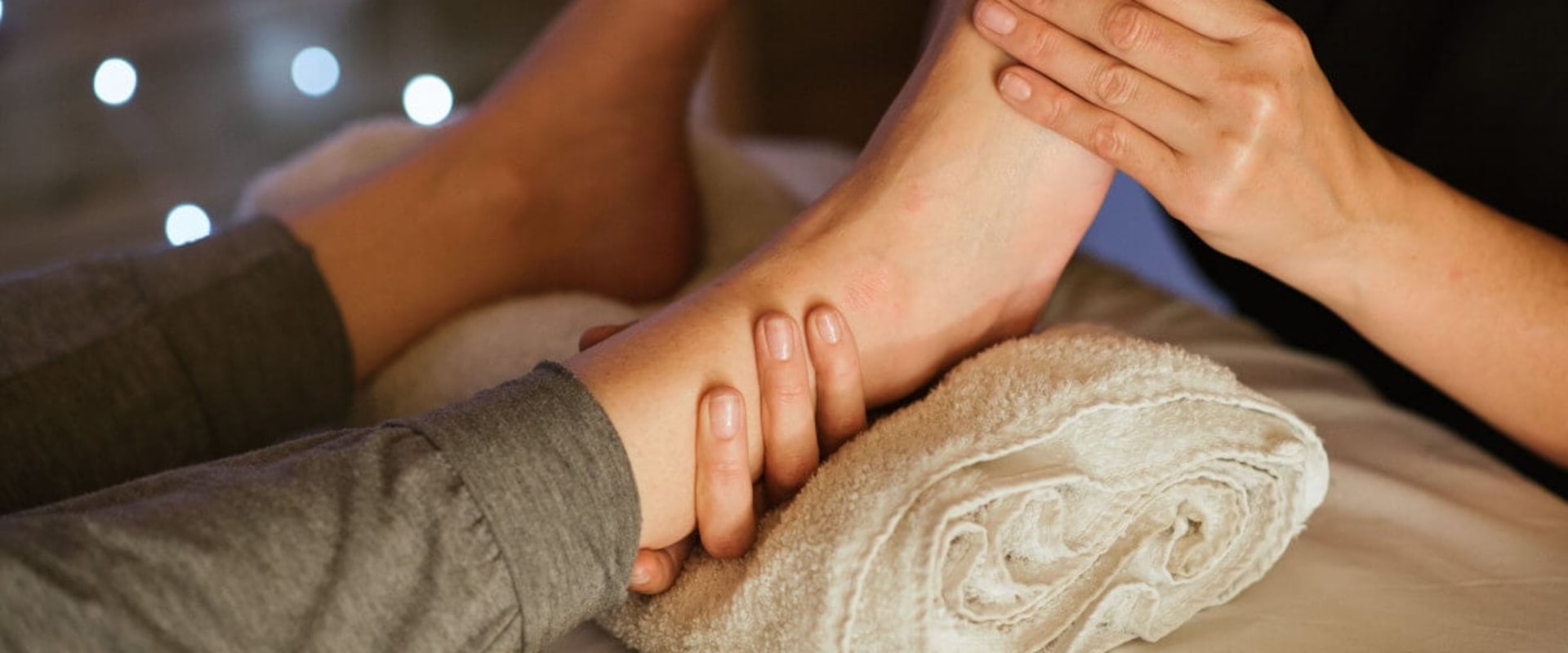
Reflexology is a holistic healing practice that has been embraced across various cultures for thousands of years. Its roots can be traced back to ancient civilisations, including the Egyptians and Chinese, who recognised the profound connection between specific points on the feet and hands and corresponding organs and systems within the body. This ancient art is based on the principle that by applying pressure to these reflex points, one can stimulate the body's natural healing processes, promote relaxation, and restore balance.The practice of reflexology operates on the belief that our bodies are mapped out in miniature on our feet and hands. Each area corresponds to a different part of the body, creating a complex network of connections.
When pressure is applied to these areas, it is thought to enhance circulation, alleviate tension, and encourage the release of toxins. This not only aids in physical recovery but also contributes to emotional well-being, making reflexology a comprehensive approach to health.Among its many benefits, reflexology is known for its ability to reduce stress and anxiety, improve sleep quality, and enhance overall vitality. Many individuals report experiencing relief from chronic pain conditions such as migraines, back pain, and digestive issues after undergoing reflexology sessions. Furthermore, this practice can be an excellent complement to other forms of massage and body treatments, enhancing their effectiveness by promoting deeper relaxation and facilitating better energy flow throughout the body.As we delve deeper into the various techniques of reflexology in subsequent sections, it is essential to appreciate its rich history and foundational principles.
Understanding how reflexology has evolved over time will provide valuable context for exploring its diverse applications in modern wellness practices.
Traditional Chinese Reflexology
Traditional Chinese Reflexology is a time-honoured practice rooted in the ancient philosophies of Chinese medicine. This holistic approach to health focuses on the belief that the body is interconnected, and that stimulating specific points on the feet, hands, and ears can influence various organs and systems throughout the body. The origins of this technique can be traced back thousands of years, with references found in ancient Chinese texts that highlight its significance in promoting physical and emotional well-being.At the core of Traditional Chinese Reflexology is the concept of Qi (pronounced "chee"), which refers to the vital life force that flows through the body. Blockages or imbalances in Qi are believed to lead to illness and discomfort.By applying pressure to designated reflex points, practitioners aim to restore the natural flow of Qi, thereby enhancing overall health.
Techniques Used in Traditional Chinese Reflexology
The techniques employed in Traditional Chinese Reflexology are diverse and can vary depending on the practitioner’s training and philosophy. Common methods include:- Pressure Point Stimulation: Practitioners use their fingers, thumbs, or specialized tools to apply varying degrees of pressure to specific reflex points. This targeted approach helps release tension and promote healing.
- Massage Techniques: Gentle kneading and circular motions are often incorporated to enhance relaxation and improve circulation. This not only aids in relieving stress but also encourages lymphatic drainage.
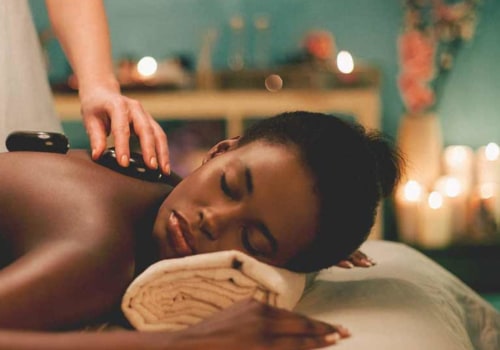
- Heat Therapy: Some practitioners may use heated stones or warm oils during sessions to further relax muscles and enhance the effectiveness of the treatment.
- Aromatherapy: The use of essential oils can complement reflexology techniques, providing additional therapeutic benefits through inhalation or topical application.
Benefits of Traditional Chinese Reflexology
The benefits of Traditional Chinese Reflexology extend beyond mere relaxation.Some notable advantages include:
- Stress Reduction: By promoting relaxation and reducing tension, this technique can significantly alleviate stress levels, leading to improved mental clarity and emotional stability.
- Pain Relief: Many individuals report a reduction in chronic pain conditions such as headaches, back pain, and joint discomfort following reflexology sessions.
- Improved Circulation: The stimulation of reflex points enhances blood flow, which can aid in faster recovery from injuries and improved overall vitality.
- Enhanced Immune Function: Regular sessions may bolster the immune system by promoting lymphatic drainage and reducing inflammation within the body.
- Emotional Balance: The holistic nature of this practice addresses not only physical ailments but also emotional issues, helping individuals achieve a greater sense of balance and well-being.
Foot Massage Techniques in Reflexology
Foot massage techniques in reflexology are not only a means of relaxation but also a powerful tool for enhancing overall health and well-being. By focusing on specific pressure points on the feet, practitioners can stimulate corresponding organs and systems throughout the body, promoting healing and balance.Understanding Foot Massage Techniques
There are several techniques employed in foot massage within the realm of reflexology, each designed to target different areas of the body:
- Thumb Walking: This technique involves using the thumbs to apply pressure in a walking motion along the reflex points of the foot. It is effective for stimulating circulation and releasing tension.
- Finger Pressure: Using fingers to apply direct pressure to specific points can help alleviate pain and discomfort.
This method is often used for more sensitive areas.
- Rotational Movements: Gentle circular motions with the fingers or thumbs can help relax tight muscles and improve blood flow, enhancing the overall effectiveness of the massage.
- Stretching Techniques: Incorporating stretches into foot massage can improve flexibility and relieve tension in the feet and ankles, contributing to a greater sense of relaxation.
The Benefits of Foot Massage
The advantages of foot massage techniques extend beyond mere relaxation. Some key benefits include:
- Stress Relief: Foot massage can significantly reduce stress levels by promoting relaxation and calming the mind.
- Pain Reduction: Targeting specific reflex points can alleviate pain in various parts of the body, including headaches, back pain, and joint discomfort.
- Improved Circulation: The pressure applied during foot massage enhances blood flow, which can lead to better oxygenation of tissues and improved overall health.
- Enhanced Sleep Quality: Regular foot massages can promote better sleep patterns by reducing anxiety and encouraging relaxation before bedtime.
How Foot Massage Works
The effectiveness of foot massage in reflexology lies in its ability to connect with the body's energy pathways. Each area of the foot corresponds to specific organs and systems, creating a map that reflexologists use to identify areas needing attention. By applying pressure to these points, practitioners can help release blockages in energy flow, facilitating healing and restoring balance within the body.In conclusion, foot massage techniques in reflexology offer a holistic approach to wellness.
By understanding how these techniques work and their numerous benefits, individuals can incorporate them into their self-care routines for enhanced physical and mental health.
Zone Therapy: An Overview
Zone therapy is a specialised form of reflexology that focuses on the concept of zones within the body. This technique operates on the principle that the body can be divided into ten vertical zones, each corresponding to specific organs and systems. By applying pressure to designated areas on the feet, hands, or even the face, practitioners aim to stimulate these zones, promoting healing and balance throughout the body.Unlike traditional reflexology, which often targets specific reflex points associated with individual organs, zone therapy takes a more holistic approach. It considers the interconnectedness of various body parts and how they relate to one another through these zones.This method allows for a broader treatment scope, addressing multiple health issues simultaneously.
Principles of Zone Therapy
The fundamental principle behind zone therapy is that each zone corresponds to a specific area of the body. For instance, the first zone may relate to the head and neck, while subsequent zones correspond to the torso and limbs. By applying pressure along these zones, practitioners can help alleviate discomfort and promote overall wellness.Benefits of Zone Therapy
Zone therapy offers numerous benefits, making it an appealing option for those seeking alternative health treatments. Some of the key advantages include:- Pain Relief: Many individuals report significant reductions in pain levels after undergoing zone therapy sessions.
This technique can be particularly effective for chronic pain conditions such as arthritis or migraines.
- Improved Circulation: By stimulating specific zones, zone therapy can enhance blood flow throughout the body, promoting better oxygenation and nutrient delivery to tissues.
- Stress Reduction: The relaxation induced by zone therapy can help lower stress levels, contributing to improved mental health and emotional well-being.
- Enhanced Digestion: Zone therapy may aid in alleviating digestive issues by targeting zones associated with the gastrointestinal system.
- Boosted Immune Function: Regular sessions can help strengthen the immune system by promoting overall balance and harmony within the body.
Energy Work in Reflexology
Energy work in reflexology is a holistic approach that focuses on the body’s energy systems, aiming to restore balance and promote overall well-being. This practice is rooted in the belief that the body is composed of energy, which can become blocked or unbalanced due to various factors such as stress, illness, or emotional turmoil.By addressing these energy imbalances, practitioners of reflexology can facilitate healing and enhance physical, mental, and spiritual health.The philosophy behind energy work in reflexology is closely linked to ancient healing traditions, particularly those found in Eastern medicine. It posits that energy flows through pathways known as meridians, which connect different organs and systems within the body. When this energy flow is disrupted, it can lead to a range of health issues. Reflexologists use specific techniques to identify and release these blockages, allowing for a smoother flow of energy.
Techniques for Energy Work
Several techniques are employed in energy work within reflexology:- Acupressure: This technique involves applying pressure to specific points on the body, similar to acupuncture but without needles.
By stimulating these points, practitioners can help release blocked energy and promote healing.
- Reiki: A form of energy healing that involves the practitioner channeling energy into the client through their hands. This technique aims to balance the body's energy and promote relaxation.
- Breathwork: Incorporating controlled breathing techniques can enhance the effectiveness of reflexology sessions by helping clients relax and become more attuned to their body's energy.
- Meditation: Practitioners may guide clients through meditation techniques to help them connect with their inner selves and facilitate the flow of energy.
Benefits of Energy Work
The benefits of incorporating energy work into reflexology are numerous:- Stress Reduction: Energy work promotes deep relaxation, helping to alleviate stress and anxiety.
- Pain Relief: By addressing energy blockages, clients often experience a reduction in chronic pain conditions.
- Improved Circulation: Enhanced energy flow can lead to better blood circulation, which is vital for overall health.
- Emotional Balance: Energy work can help release emotional blockages, leading to improved mood and emotional stability.
- Enhanced Immune Function: A balanced energy system supports a stronger immune response, helping the body fend off illness.
Choosing the Right Reflexology Technique for You
Choosing the right reflexology technique can significantly enhance your experience and outcomes.With various methods available, it’s essential to consider your individual needs and health goals. Here are some key factors to help you make an informed decision:
- Identify Your Primary Concerns: Start by assessing what you hope to achieve through reflexology. Are you seeking relief from stress, pain management, or overall wellness? For instance, if stress relief is your primary goal, techniques such as Traditional Chinese Reflexology or Foot Massage may be particularly beneficial.
- Consider Your Comfort Level: Different techniques may involve varying levels of pressure and touch. If you prefer a gentler approach, Energy Work or light foot massage might suit you better.
Conversely, if you are comfortable with deeper pressure, Zone Therapy could be more effective.
- Consult a Professional: Engaging with a qualified reflexologist can provide valuable insights tailored to your specific needs. They can assess your health history and recommend the most suitable techniques based on their expertise.
- Personalise Your Treatment: Reflexology is not a one-size-fits-all approach. Many practitioners offer personalised treatments that combine various techniques to address multiple concerns simultaneously. Discuss your preferences and any specific areas of tension with your reflexologist.
- Foot Massage: This technique is renowned for its relaxing effects and can help alleviate tension throughout the body.
- Shiatsu: Combining acupressure and reflexology, this method targets energy channels and can be particularly effective for stress reduction.
By taking the time to evaluate your needs and consulting with a professional, you can embark on a reflexology journey that promotes relaxation and enhances your overall wellbeing.
Safety Considerations and Contraindications
When considering reflexology as a form of massage and body treatments, it is crucial to be aware of various safety considerations and contraindications. While reflexology can offer numerous benefits, certain individuals may need to approach this therapy with caution or avoid it altogether.Safety Considerations
Before undergoing reflexology, it is advisable to consult with a healthcare professional, especially if you have pre-existing health conditions. Here are some key safety considerations:- Qualified Practitioner: Ensure that your reflexologist is certified and has received proper training. A qualified practitioner will understand the anatomy and physiology of the body, which is essential for safe practice.
- Communication: Always communicate openly with your reflexologist about your health history, current medications, and any concerns you may have.
This information will help them tailor the treatment to your needs.
- Comfort Level: Reflexology should not cause pain. If you experience discomfort during a session, inform your practitioner immediately so they can adjust their technique.
- Hygiene Practices: Ensure that the treatment environment is clean and that all tools used are sanitized to prevent infections.
Contraindications for Reflexology
While reflexology can be beneficial for many, certain conditions may warrant avoiding this treatment. The following are common contraindications:- Pregnancy: Although some practitioners offer specialised reflexology for pregnant women, it is generally advised to avoid reflexology during the first trimester due to potential risks.
- Severe Foot Conditions: Individuals with severe foot injuries, fractures, or infections should refrain from reflexology until fully healed.
- Circulatory Issues: Those with serious circulatory problems or blood clots should consult a doctor before receiving reflexology, as pressure on the feet may exacerbate these conditions.
- Skin Conditions: Skin infections or conditions such as athlete's foot should be treated before undergoing reflexology to prevent further irritation or spreading of infection.
- Cancer Patients: Individuals undergoing cancer treatment should seek medical advice before trying reflexology, as certain techniques may interfere with their treatment plan.
Conclusion: The Holistic Benefits of Reflexology Techniques
In conclusion, the diverse range of reflexology techniques discussed throughout this article highlights the profound impact these practices can have on overall health and well-being.Each technique, whether it be Traditional Chinese Reflexology, Zone Therapy, Energy Work, or Foot Massage, offers unique benefits that cater to various physical and emotional needs.Reflexology is not merely a form of relaxation; it is a holistic approach that addresses the interconnectedness of the body, mind, and spirit. By stimulating specific reflex points, practitioners can promote healing in corresponding areas of the body, thereby enhancing physical health while also alleviating mental stress. This dual benefit is what makes reflexology a valuable addition to any wellness routine.Moreover, the practice of reflexology encourages individuals to become more attuned to their bodies. As clients engage with their reflexologist, they often gain insights into their own health patterns and areas that may require attention.
This self-awareness can lead to more informed lifestyle choices and a greater commitment to personal well-being.Furthermore, reflexology techniques can be easily integrated with other massage and body treatments, creating a comprehensive approach to health care. For instance, combining foot massage with aromatherapy or deep tissue massage can amplify relaxation and therapeutic effects, making each session more beneficial.Ultimately, the holistic benefits of reflexology extend beyond immediate relief from discomfort. Regular sessions can lead to improved circulation, enhanced immune function, reduced anxiety levels, and an overall sense of balance in life. As more individuals seek natural and effective ways to manage stress and promote health, reflexology stands out as a powerful tool for achieving lasting well-being.In summary, embracing the various techniques of reflexology not only fosters physical healing but also nurtures emotional resilience.
Whether you are new to reflexology or have experienced its benefits before, exploring these techniques can open doors to a healthier and more harmonious life.