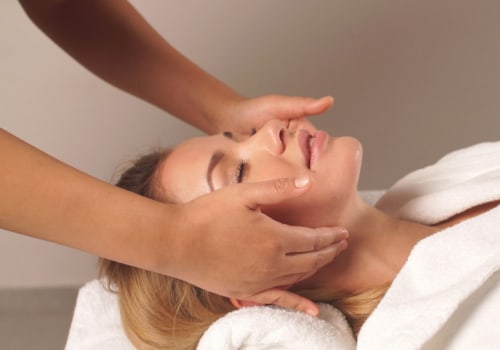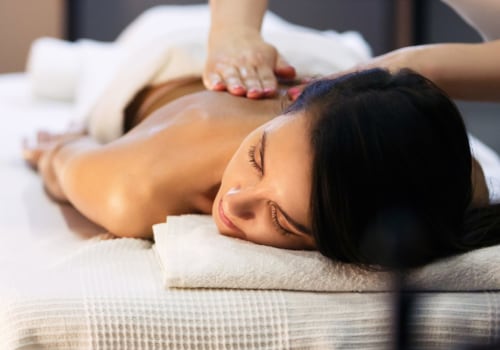
Swedish massage is a widely recognised form of body treatment that has gained immense popularity for its ability to promote relaxation and alleviate stress. Originating in Sweden during the early 19th century, this technique was developed by physiologist Henrik Ling , who sought to create a method that combined physical exercise with therapeutic touch. The essence of Swedish massage lies in its gentle yet effective approach, making it suitable for individuals of all ages and fitness levels. By employing a series of specific strokes and techniques, this massage style aims to enhance overall well-being while addressing various physical ailments, much like the New Era of Brow Lifts and What it can do for facial rejuvenation.The primary purpose of Swedish massage is to relax the entire body, which is achieved through a combination of long gliding strokes, kneading, and rhythmic tapping.
These techniques not only help to ease muscle tension but also improve circulation, allowing oxygen and nutrients to flow more freely throughout the body. As a result, clients often report feeling rejuvenated and revitalised after a session. Furthermore, the benefits extend beyond mere relaxation; Swedish massage has been shown to reduce symptoms of anxiety and depression, improve sleep quality, and even boost the immune system.In the realm of massage and body treatments, understanding the intricacies of Swedish massage techniques is essential for both practitioners and clients alike. Each stroke serves a unique purpose, contributing to the overall effectiveness of the treatment.
As we delve deeper into this comprehensive overview, we will explore the various techniques employed in Swedish massage, their specific benefits, and how they can be tailored to meet individual needs. Whether you are seeking relief from chronic pain or simply looking to unwind after a long day, Swedish massage offers a holistic approach that can significantly enhance your quality of life.
The Five Core Techniques of Swedish Massage
Swedish massage is renowned for its ability to promote relaxation and alleviate tension, and this is largely due to the five core techniques that form its foundation. Each technique serves a distinct purpose and contributes to the overall effectiveness of the massage experience.Effleurage
Effleurage is often the first technique employed in a Swedish massage session. This method involves long, gliding strokes that are typically performed with the palms of the hands.The primary aim of effleurage is to warm up the muscles and prepare them for deeper work. It enhances blood circulation and lymphatic drainage, which can help in flushing out toxins from the body. Additionally, effleurage promotes relaxation by stimulating the nervous system, making it an essential component of any massage.
Petrissage
Petrissage involves kneading, rolling, and lifting motions that target deeper muscle layers. This technique is particularly effective for relieving muscle tension and improving flexibility.By manipulating the muscles in this way, petrissage helps to break down adhesions and knots that can cause discomfort. Furthermore, it increases blood flow to the affected areas, which aids in recovery from injuries and enhances overall muscle health.
Friction
The friction technique employs deep circular movements that focus on specific areas of tension or pain. This method is particularly beneficial for breaking down scar tissue and increasing circulation in localized areas. By applying pressure through friction, therapists can effectively release tight muscles and improve mobility.This technique is often used on larger muscle groups or areas where tension accumulates, such as the back or shoulders.
Tapotement
Tapotement consists of rhythmic tapping or percussion strokes that invigorate the body. This technique can be performed using the edge of the hands, cupped palms, or even fingertips. Tapotement stimulates nerve endings and increases blood circulation, providing a refreshing boost of energy. It is particularly useful for athletes or individuals looking to enhance their physical performance by preparing their muscles for activity.Vibration
The vibration technique involves rapid shaking movements applied to specific muscle groups.This method helps to loosen tight muscles and promote relaxation by stimulating the nervous system. Vibration can also enhance circulation and improve lymphatic drainage, making it an excellent choice for those recovering from injuries or experiencing chronic pain.In summary, each of these five core techniques—effleurage, petrissage, friction, tapotement, and vibration—plays a vital role in Swedish massage. Together, they create a comprehensive approach to relaxation and healing that addresses both physical and emotional well-being.
Benefits of Swedish Massage Techniques
Swedish massage techniques are renowned for their extensive health benefits, making them a popular choice for individuals seeking both relaxation and therapeutic relief. This form of massage not only addresses physical discomfort but also promotes mental well-being, making it a holistic approach to health.Stress Relief
One of the most significant advantages of Swedish massage is its ability to alleviate stress.The gentle, rhythmic strokes employed during the session help to calm the nervous system, leading to a profound sense of relaxation. As tension dissipates, cortisol levels in the body decrease, which can significantly enhance mood and overall mental clarity. Regular sessions can help individuals develop better coping mechanisms for daily stressors.
Improved Circulation
Another key benefit of Swedish massage is its positive impact on circulation. The various strokes, particularly effleurage and petrissage, stimulate blood flow throughout the body.This enhanced circulation ensures that oxygen and essential nutrients are efficiently delivered to muscles and organs, promoting healing and vitality. Improved circulation can also aid in the removal of metabolic waste products, further contributing to overall health.
Enhanced Flexibility
Swedish massage techniques are effective in increasing flexibility and range of motion. The kneading and stretching movements help to loosen tight muscles and connective tissues, making it easier for individuals to engage in physical activities without discomfort. Enhanced flexibility not only improves athletic performance but also reduces the risk of injuries during exercise or daily activities.Overall Well-Being
The cumulative effects of Swedish massage contribute significantly to overall well-being.By addressing both physical and emotional aspects of health, this type of massage fosters a sense of balance and harmony within the body. Clients often report improved sleep quality, increased energy levels, and a greater sense of peace following their sessions. Additionally, the boost in collagen production stimulated by Swedish massage can lead to healthier skin, enhancing one’s appearance and self-esteem.In summary, the health benefits of Swedish massage extend far beyond mere relaxation. From effective stress relief to improved circulation and enhanced flexibility, these techniques offer a comprehensive approach to wellness that many individuals find invaluable in their pursuit of a healthier lifestyle.
Choosing the Right Massage Therapist
Choosing the right massage therapist is crucial for ensuring a positive and effective experience.With the growing popularity of massage and body treatments, it’s essential to find a qualified professional who meets your specific needs. Here are some key factors to consider when selecting a massage therapist.
Qualifications and Credentials
First and foremost, check the qualifications of potential therapists. In the UK, reputable massage therapists should hold a recognised qualification in massage therapy, such as a diploma from an accredited institution. Look for certifications from professional bodies like the Federation of Holistic Therapists (FHT) or the Complementary and Natural Healthcare Council (CNHC).These organisations ensure that therapists adhere to high standards of practice.
Experience and Specialisation
Experience plays a significant role in the effectiveness of massage therapy. Inquire about how long the therapist has been practising and whether they specialise in specific techniques, such as Swedish massage or deep tissue therapy. A therapist with extensive experience in your area of concern—be it stress relief, chronic pain, or sports recovery—will likely provide more tailored treatment.Client Reviews and Recommendations
Word-of-mouth recommendations can be invaluable. Ask friends or family for referrals, or check online reviews on platforms like Google or social media.Positive feedback from previous clients can give you insight into the therapist's skills, professionalism, and overall client satisfaction.
What to Expect During Your First Session
Your first session with a massage therapist is an opportunity to discuss your health history, any specific concerns, and your goals for treatment. Expect an initial consultation where the therapist will ask questions about your lifestyle, stress levels, and any physical issues you may have. This information helps them tailor the session to your needs.During the massage itself, communicate openly with your therapist about pressure levels and comfort. A good therapist will encourage feedback to ensure you feel relaxed and at ease throughout the session.In summary, selecting the right massage therapist involves careful consideration of their qualifications, experience, client feedback, and what you can expect during your first visit.By taking these steps, you can enhance your chances of having a rewarding experience that contributes positively to your overall well-being.
What to Expect During a Swedish Massage Session
Embarking on your first Swedish massage can be an exciting yet nerve-wracking experience. Understanding what to expect during a session can help ease any apprehensions and enhance your overall experience. Here’s a detailed overview of what typically occurs during a Swedish massage, along with some preparation tips.Preparation for Your Massage
- Choose the Right Therapist: Research and select a qualified massage therapist who specializes in Swedish techniques. Look for reviews or ask for recommendations to ensure you find someone who meets your needs.
- Arrive Early: Aim to arrive at least 15 minutes before your appointment.
This allows you time to fill out any necessary paperwork and start to relax before your session begins.
- Communicate Your Needs: Be open about any specific areas of tension or discomfort. Discuss your preferences regarding pressure and any medical conditions that may affect your massage.
- Dress Comfortably: Wear loose-fitting clothing to your appointment. You will typically undress to your comfort level, but it’s advisable to wear something that allows for easy movement.
The Massage Experience
Once you’re settled in, the therapist will guide you to a private room where the massage will take place. Here’s what you can expect:
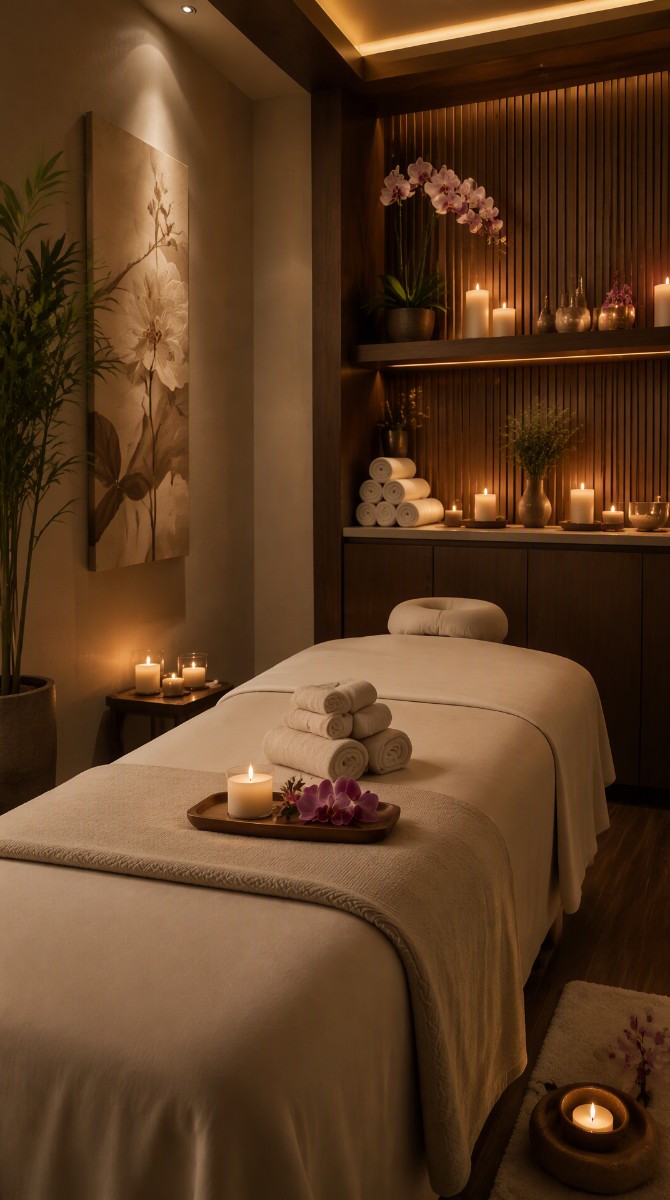
- Setting the Atmosphere: The room will likely be dimly lit, with calming music playing softly in the background.
The therapist may also use essential oils or lotions to enhance relaxation.
- Initial Consultation: Before starting, the therapist will discuss your goals for the session and any areas of concern. This is a great time to express any preferences regarding pressure or specific techniques.
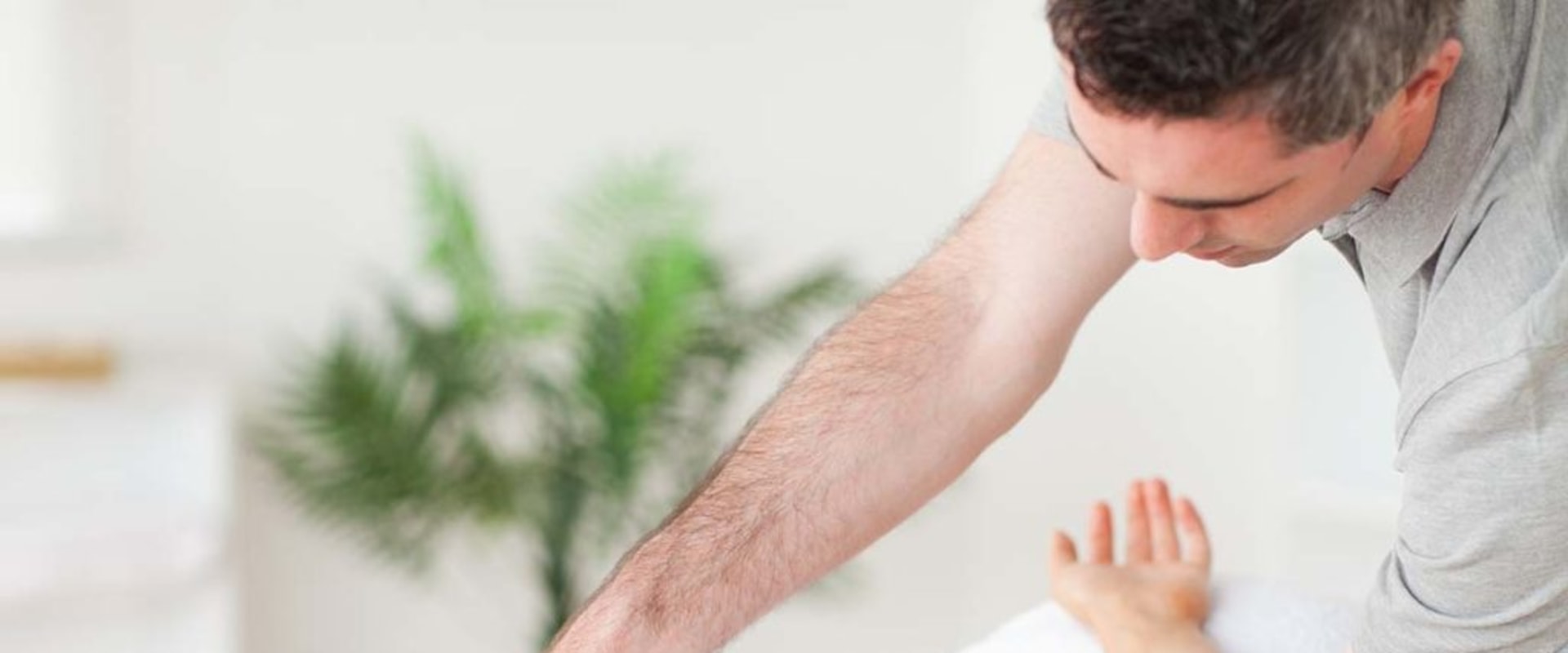
- The Massage Process: During the session, the therapist will use a combination of strokes including effleurage, petrissage, friction, tapotement, and vibration. You’ll be covered with a sheet or towel, exposing only the area being worked on at any given time.
- Feedback is Key: Don’t hesitate to communicate with your therapist throughout the session. If something feels uncomfortable or if you’d like more pressure in certain areas, let them know.
Post-Massage Care
After the massage, take a moment to relax before getting up.
Drink plenty of water to help flush out toxins released during the treatment. You may also want to take it easy for the rest of the day to fully enjoy the benefits of your session.By understanding what happens during a Swedish massage and preparing accordingly, you can approach your first experience with confidence and anticipation. Enjoy the journey towards relaxation and rejuvenation!
Swedish Massage vs Other Massage Techniques
When considering massage and body treatments, it is essential to understand the distinctions between various techniques, particularly Swedish massage and other popular modalities such as deep tissue and aromatherapy massages. Each technique has its unique approach, benefits, and ideal applications, making it crucial for individuals to choose the right one based on their specific needs.Swedish Massage vs Deep Tissue Massage
Swedish massage is often regarded as a gentle form of therapy, focusing on relaxation and overall well-being.It employs long, flowing strokes, kneading, and gentle pressure to promote relaxation and improve circulation. This technique is particularly beneficial for those seeking relief from stress or mild muscle tension.In contrast, deep tissue massage targets deeper layers of muscle and connective tissue. It utilises more intense pressure and techniques such as friction and cross-fibre strokes to alleviate chronic pain, muscle stiffness, and tension. While both techniques can enhance circulation and promote relaxation, deep tissue massage is more suited for individuals with specific pain issues or those recovering from injuries.
Swedish Massage vs Aromatherapy Massage
Aromatherapy massage combines the principles of Swedish massage with the therapeutic benefits of essential oils.During an aromatherapy session, the therapist uses specific oils tailored to the client's needs—such as lavender for relaxation or eucalyptus for respiratory issues—blending them with traditional Swedish techniques.This type of massage not only provides physical benefits but also enhances emotional well-being through the olfactory system. The scents can evoke memories or feelings, adding a layer of relaxation that pure Swedish massage may not offer. For those looking to address both physical tension and emotional stress, aromatherapy massage can be an excellent choice.
Choosing the Right Technique
Ultimately, the choice between Swedish massage, deep tissue massage, or aromatherapy depends on individual preferences and health goals. If you are seeking a soothing experience to unwind after a stressful week, Swedish massage may be ideal.However, if you are dealing with chronic pain or muscle tightness, deep tissue might be more effective. For those interested in a holistic approach that incorporates scent therapy, aromatherapy could provide the perfect balance.Before booking a session, consider discussing your specific needs with your therapist. They can help guide you towards the most suitable technique based on your health history and desired outcomes.
Integrating Swedish Massage into Your Wellness Routine
Incorporating Swedish massage into your wellness routine can significantly enhance your overall health and wellbeing. This therapeutic practice not only alleviates physical tension but also promotes mental clarity and emotional balance.To fully reap the benefits of Swedish massage, it is essential to establish a consistent schedule and integrate complementary self-care practices.
Frequency of Massages
The frequency of your Swedish massage sessions can vary based on individual needs and lifestyle. For those experiencing chronic stress or muscle tension, a weekly session may be beneficial. This regularity allows for sustained relaxation and recovery, helping to manage pain and improve mobility over time. For individuals seeking maintenance or general wellness, bi-weekly or monthly sessions can be effective in promoting relaxation and preventing the buildup of tension.It’s important to listen to your body; if you find that you are feeling particularly stressed or sore, consider scheduling an additional session.
Conversely, if you feel that your body is responding well to the treatments, you may choose to extend the time between sessions.
Complementary Self-Care Practices
To maximise the benefits of Swedish massage, consider integrating the following self-care practices into your routine:
- Hydration: Drink plenty of water before and after your massage to help flush out toxins released during the treatment.
- Stretching: Incorporate gentle stretching exercises into your daily routine to maintain flexibility and prevent muscle stiffness.
- Meditation: Practising mindfulness or meditation can enhance the relaxation effects of your massage, helping to reduce stress levels further.
- Warm Baths: Taking a warm bath with Epsom salts can soothe sore muscles and enhance relaxation after a massage session.
- Healthy Nutrition: A balanced diet rich in fruits, vegetables, lean proteins, and whole grains supports overall health and aids in recovery.
Common Myths About Swedish Massage Debunked
Despite the growing popularity of Swedish massage, several myths and misconceptions continue to circulate, often deterring individuals from experiencing its numerous benefits. Here, we aim to debunk some of the most common myths surrounding this therapeutic practice.- Myth 1: Swedish massage is only for relaxation.
While it is true that Swedish massage is renowned for its relaxing effects, it also serves therapeutic purposes. The techniques employed can alleviate chronic pain, improve circulation, and enhance flexibility.Many individuals seek Swedish massage not just for relaxation but also for relief from specific physical ailments.
- Myth 2: All massages are the same.
This misconception overlooks the distinct techniques and benefits associated with different types of massage. Swedish massage specifically utilises a combination of strokes such as effleurage, petrissage, and tapotement, each designed to target various muscle groups and promote overall wellness. - Myth 3: You need to be in pain to benefit from a massage.
Many people believe that only those suffering from pain or discomfort should seek out massage therapy. In reality, regular Swedish massages can be beneficial for anyone looking to maintain their health, reduce stress levels, and enhance their overall quality of life. - Myth 4: Massage is only a luxury treatment.
While spa settings often promote massage as a luxury experience, it is essential to recognise its therapeutic value. Many healthcare professionals recommend massage therapy as part of a holistic approach to health and wellness, making it accessible to a broader audience. - Myth 5: Swedish massage is too gentle to be effective.
Some individuals may perceive Swedish massage as merely a light touch.However, the varying pressure applied during the session can be adjusted according to individual preferences and needs. This adaptability makes it suitable for both those seeking gentle relaxation and those requiring deeper muscle work.
Conclusion: Embracing the Benefits of Swedish Massage Techniques
In conclusion, the exploration of Swedish massage techniques reveals a wealth of benefits that extend far beyond mere relaxation. As we have discussed, these techniques are not only effective in alleviating physical discomfort but also play a significant role in enhancing overall well-being.By understanding the various strokes involved—effleurage, petrissage, friction, tapotement, and vibration—individuals can appreciate how each contributes to improved circulation, reduced muscle tension, and enhanced flexibility.Moreover, the mental health benefits associated with Swedish massage cannot be overlooked. The ability to reduce stress and anxiety through these techniques is invaluable in today’s fast-paced world. Regular sessions can lead to lower cortisol levels, promoting a sense of calm and balance in one’s life. This holistic approach to health underscores the importance of integrating massage and body treatments into our self-care routines.As you consider incorporating Swedish massage into your wellness journey, it is essential to seek out qualified therapists who can tailor their techniques to meet your specific needs.
Whether you are looking to relieve chronic pain, improve your sleep quality, or simply indulge in a moment of tranquillity, Swedish massage offers a versatile solution.In summary, embracing the benefits of Swedish massage techniques is an investment in both physical and mental health. By prioritising this form of therapy, you are taking proactive steps towards achieving a balanced lifestyle. So why not take the plunge? Explore local spas or wellness centres that offer these treatments and experience the transformative effects for yourself.