In our fast-paced world, the importance of maintaining a balanced state of wellbeing cannot be overstated. Many individuals find themselves grappling with feelings of fatigue, stress, and anxiety, which can significantly impact their daily lives. This is where the transformative power of massage therapy comes into play. By understanding the intricate connection between massage and overall wellbeing, we can unlock a pathway to enhanced mood and increased energy levels.Massage therapy is not merely a luxury; it is a holistic approach that addresses both physical and mental health.
The benefits of massage extend far beyond relaxation; they encompass a wide range of positive effects on our emotional state. Regular sessions can lead to a notable reduction in stress hormones, such as cortisol, while simultaneously boosting the production of endorphins , the body's natural mood elevators. This biochemical response can create a profound sense of calm and happiness, making massage an effective tool for mood enhancement.Moreover, the physical benefits of massage contribute significantly to our energy levels. By improving circulation and promoting lymphatic drainage, massage helps to eliminate toxins from the body and enhances oxygen flow to vital organs.
This revitalisation not only alleviates physical tension but also combats feelings of lethargy, allowing individuals to feel more invigorated and ready to tackle their day-to-day challenges. As we delve deeper into the various aspects of how massage can boost mood and energy levels, it becomes clear that investing in this form of body treatment is an essential step towards achieving optimal mental health.
The Science Behind Massage Therapy
Massage therapy is not merely a luxury; it is a scientifically-backed practice that offers numerous physiological and psychological benefits. Understanding how massage works can illuminate its profound effects on both the body and mind.At the core of massage therapy is the manipulation of soft tissues, which includes muscles, tendons, and ligaments. This manipulation triggers a series of physiological responses that can significantly enhance wellbeing.One of the primary mechanisms through which massage operates is by stimulating the body’s parasympathetic nervous system. This system is responsible for promoting relaxation and recovery, counteracting the stress-induced fight-or-flight response.Research has shown that massage can lead to a notable reduction in levels of cortisol , the hormone associated with stress. A study published in the journal Psychosomatic Medicine found that participants who received regular massages exhibited lower cortisol levels compared to those who did not. This reduction in stress hormones can lead to improved mood and increased energy levels.Moreover, massage therapy promotes the release of endogenous opioids , such as endorphins and enkephalins.
These natural painkillers are released during massage, contributing to feelings of happiness and relaxation. The release of these chemicals not only alleviates physical discomfort but also enhances emotional wellbeing, making individuals feel more energised and uplifted.Another significant physiological effect of massage is improved circulation. The pressure applied during a massage helps to dilate blood vessels, enhancing blood flow to various parts of the body. Improved circulation facilitates better oxygenation of tissues and aids in the removal of metabolic waste products, which can contribute to increased energy levels and reduced fatigue.Furthermore, studies have indicated that massage can positively influence muscle recovery post-exercise.
A review published in the Journal of Athletic Training highlighted that athletes who incorporated massage into their recovery routines experienced reduced muscle soreness and improved performance metrics. This suggests that regular massage therapy can be beneficial not only for relaxation but also for enhancing physical performance.In summary, the science behind massage therapy reveals its multifaceted benefits for both mental and physical health. By reducing stress hormones, promoting endorphin release, improving circulation, and aiding muscle recovery, massage serves as a powerful tool for boosting mood and energy levels. As research continues to evolve, it becomes increasingly clear that incorporating regular massage into one’s wellness routine can lead to significant improvements in overall quality of life.
Types of Massage and Their Unique Benefits
Massage therapy encompasses a variety of techniques, each designed to address specific needs and preferences.Understanding the different types of massage can help you choose the most suitable option for enhancing your mood and energy levels.
Swedish Massage
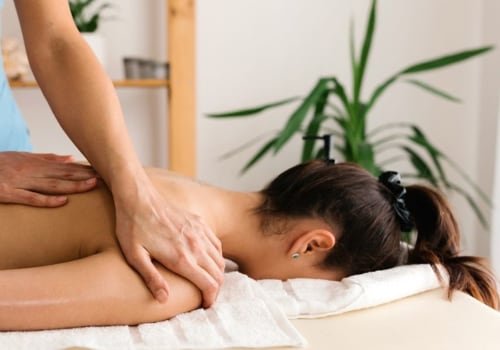
Swedish massage is one of the most popular forms of massage therapy, characterised by long, flowing strokes, kneading, and gentle circular movements on the topmost layer of muscles. This technique promotes relaxation and is particularly effective in reducing stress and anxiety. The rhythmic motions help to increase blood circulation, which can lead to a boost in energy levels. Additionally, the release of endorphins during a Swedish massage can elevate your mood significantly.Deep Tissue Massage
For those who experience chronic muscle tension or pain, deep tissue massage may be the ideal choice.For those who experience chronic muscle tension or pain, deep tissue massage may be the ideal choice.This technique focuses on the deeper layers of muscle and connective tissue, using more intense pressure to relieve tightness and discomfort. By targeting specific areas of tension, deep tissue massage not only alleviates pain but also enhances overall physical function. As a result, many individuals report feeling more energised and mentally clear after a session.
Sports Massage
Designed specifically for athletes or those engaged in regular physical activity, sports massage combines various techniques to prevent injuries and enhance performance. This type of massage focuses on areas of the body that are overused and stressed from repetitive movements.By improving flexibility and reducing muscle soreness, sports massage can help athletes recover faster and maintain higher energy levels during their training sessions.
Hot Stone Massage
Hot stone massage involves the use of heated stones placed on specific points of the body to promote relaxation and ease muscle tension. The warmth from the stones penetrates deeply into the muscles, enhancing circulation and providing a soothing effect. This type of massage is particularly beneficial for those looking to unwind after a stressful day, as it not only relaxes the body but also uplifts the spirit.Aromatherapy Massage
Aromatherapy massage combines the benefits of essential oils with traditional massage techniques. The use of specific scents can influence mood and emotional wellbeing; for instance, lavender is known for its calming properties while citrus scents can invigorate and energise.This holistic approach not only addresses physical tension but also promotes mental clarity and emotional balance.Choosing the right type of massage depends on your individual needs and preferences. Whether you seek relaxation, pain relief, or an energy boost, there is a massage technique tailored to help you achieve your goals.
How Massage Improves Mental Health
Massage therapy has gained recognition not only for its physical benefits but also for its profound impact on mental health. Regular sessions can serve as a powerful ally in the fight against anxiety and depression, offering a holistic approach to emotional wellbeing.One of the primary ways massage improves mental health is through the reduction of stress hormones, such as cortisol. High levels of cortisol are often linked to anxiety and depression, leading to a cycle of negative emotions.By promoting relaxation and reducing these stress hormones, massage therapy can help break this cycle, allowing individuals to experience a greater sense of calm and stability.Moreover, massage stimulates the release of endorphins—natural chemicals in the body that promote feelings of happiness and euphoria. This biochemical response can significantly enhance mood, making it an effective tool for those struggling with low spirits or feelings of hopelessness. The soothing touch of a skilled therapist can create a safe space for emotional release, allowing clients to process their feelings in a supportive environment.In addition to immediate mood enhancement, regular massage sessions can lead to long-term improvements in mental health. Consistency is key; individuals who incorporate massage into their self-care routines often report sustained reductions in anxiety levels and improved emotional resilience.
This is particularly beneficial for those dealing with chronic stress or ongoing mental health challenges.Furthermore, the physical benefits of massage—such as improved circulation and muscle relaxation—can also contribute to better mental health. When the body feels good, it can positively influence the mind. For instance, alleviating physical tension can lead to a clearer mind and enhanced focus, which are essential for managing daily stressors.For those seeking relief from anxiety or depression, it is essential to consider massage therapy as part of a comprehensive treatment plan. While it should not replace traditional therapies such as counselling or medication, it can complement these approaches effectively.
Engaging in open discussions with healthcare providers about incorporating massage into one’s mental health strategy can lead to more tailored and effective care.In conclusion, the benefits of massage therapy extend far beyond mere relaxation; they encompass significant improvements in mental health. By reducing anxiety and alleviating symptoms of depression, regular massage sessions can foster a more balanced emotional state and enhance overall wellbeing.
Physical Benefits of Massage for Energy Enhancement
Massage therapy offers a multitude of physical benefits that can significantly enhance energy levels. One of the primary ways massage achieves this is through improved circulation. When blood flow increases, oxygen and essential nutrients are delivered more efficiently to the muscles and organs, which can help combat feelings of fatigue and lethargy.Enhanced circulation not only revitalises the body but also promotes quicker recovery from physical exertion, allowing individuals to feel more energetic throughout the day.Another critical aspect of massage is its ability to reduce muscle tension. Tension in the muscles can lead to discomfort and fatigue, making it challenging to maintain high energy levels. By employing various techniques such as kneading, stroking, and applying pressure, massage therapists can effectively release tightness in the muscles. This release not only alleviates pain but also encourages relaxation, which is essential for restoring energy.Moreover, massage can play a vital role in alleviating pain associated with chronic conditions or injuries.
Persistent pain can drain energy and diminish overall quality of life. Regular massage sessions can help manage pain by reducing inflammation and promoting the release of endorphins—natural painkillers produced by the body. As pain diminishes, individuals often experience a notable increase in their energy levels, enabling them to engage more fully in daily activities.In addition to these benefits, massage therapy can also enhance flexibility and range of motion. Improved flexibility allows for better movement efficiency, which can reduce fatigue during physical activities.
When the body moves more freely, it requires less energy to perform tasks, leading to an overall boost in vitality.In summary, the physical benefits of massage extend far beyond mere relaxation. By improving circulation, reducing muscle tension, alleviating pain, and enhancing flexibility, massage therapy serves as a powerful tool for boosting energy levels. Incorporating regular massage into your wellness routine can lead to a more vibrant and energetic lifestyle.
Incorporating Massage into Your Wellness Routine
Incorporating massage into your wellness routine can significantly enhance your overall health and wellbeing. To reap the full benefits of massage therapy, it’s essential to establish a consistent schedule that aligns with your lifestyle and wellness goals.Recommended Frequency of Massage Sessions
- For general relaxation and stress relief, a frequency of once every two to four weeks is often sufficient.
This allows your body to recover and maintain the benefits of the treatment.
- If you are dealing with specific issues such as chronic pain, muscle tension, or recovery from an injury, consider increasing the frequency to once a week or even bi-weekly. This can help in managing symptoms more effectively.
- For athletes or those engaged in regular physical activity, incorporating massage into your routine after intense training sessions can aid in recovery and prevent injuries. A post-workout massage can be beneficial when scheduled weekly or bi-weekly.
Combining Massage with Other Body Treatments
To maximise the benefits of massage, consider integrating it with other body treatments. Here are some effective combinations:
- Yoga and Stretching: Pairing massage with yoga can enhance flexibility and promote relaxation.
The combination helps to release muscle tension and improve overall body awareness.
- Aromatherapy: Using essential oils during your massage can elevate the experience. Oils like lavender or eucalyptus not only enhance relaxation but also provide additional therapeutic benefits.
- Hydrotherapy: Alternating between massage and hydrotherapy treatments, such as hot baths or saunas, can further relax muscles and improve circulation.
Creating a Holistic Wellness Routine
Incorporating massage into a broader wellness routine is key to achieving optimal results. Consider including practices such as:
- Meditation: Regular meditation can complement the calming effects of massage, helping to reduce stress and improve mental clarity.
- Nutritional Support: A balanced diet rich in anti-inflammatory foods can enhance the benefits of massage by supporting overall health.
- Regular Exercise: Engaging in regular physical activity not only improves physical health but also prepares your body for more effective massage sessions.
Finding the Right Massage Practitioner
Choosing the right massage therapist is crucial for ensuring a positive and effective experience. With numerous options available, it can be overwhelming to find a practitioner who meets your specific needs.Here are some essential factors to consider when selecting a massage therapist.
Qualifications and Credentials
First and foremost, it is vital to verify the qualifications of any potential massage therapist. In the UK, practitioners should hold a recognised qualification in massage therapy, such as a diploma or degree from an accredited institution. Look for therapists who are members of professional bodies, such as the Federation of Holistic Therapists (FHT) or the Complementary and Natural Healthcare Council (CNHC). Membership in these organisations often indicates adherence to high standards of practice and ongoing professional development.Experience and Specialisations
Experience plays a significant role in the effectiveness of massage therapy.When searching for a therapist, consider their years of practice and any specialisations they may have. For instance, if you are seeking relief from chronic pain, look for someone who has experience in deep tissue massage or sports massage. Alternatively, if relaxation is your primary goal, a therapist skilled in Swedish massage or aromatherapy may be more suitable.
Personal Recommendations and Reviews
Word-of-mouth recommendations can be invaluable when selecting a massage therapist. Ask friends, family, or colleagues if they can recommend someone they trust.Additionally, online reviews can provide insight into the experiences of other clients. Websites like Trustpilot or local community forums can help you gauge the reputation of potential practitioners.
The Initial Consultation
A good therapist will typically offer an initial consultation to discuss your needs and any specific concerns you may have. This meeting is an excellent opportunity to assess their communication style and approach to treatment. During this consultation, don’t hesitate to ask questions about their techniques, experience with your particular issues, and what you can expect from the sessions.Comfort and Rapport
Your comfort level with a therapist is paramount.A strong therapeutic relationship can enhance the effectiveness of your treatment. Pay attention to how you feel during your initial interactions; trust your instincts. If you feel at ease and understood, it’s likely that you’ve found the right practitioner.In summary, finding a qualified massage therapist involves careful consideration of their qualifications, experience, personal recommendations, and your own comfort level. By taking the time to research and choose wisely, you can ensure that your massage therapy experience is both beneficial and enjoyable.
Common Misconceptions About Massage Therapy
Massage therapy is often surrounded by a cloud of misconceptions that can deter individuals from experiencing its numerous benefits.Understanding the truth behind these myths is essential for anyone considering massage as a means to enhance their wellbeing.
- Myth 1: Massage is only for relaxation. While many people associate massage with relaxation, it serves a broader purpose. Massage therapy can aid in pain relief, improve circulation, and enhance recovery from injuries. It is a versatile treatment that addresses both physical and mental health issues.
- Myth 2: All massages are painful. This misconception stems from the belief that deeper pressure equates to better results. However, a skilled therapist will tailor the pressure to your comfort level.
Whether you prefer a gentle touch or deeper manipulation, there is a massage style suited to your needs.
- Myth 3: Massage is only for the wealthy. Many people think that massage therapy is an expensive luxury. In reality, there are various options available, including community clinics and wellness centres that offer affordable rates. Additionally, some health insurance plans cover massage therapy, making it more accessible.
- Myth 4: You need to be in pain to benefit from massage. While massage is effective for pain management, it is also beneficial for those who are not experiencing discomfort. Regular sessions can help maintain muscle health, reduce stress levels, and promote overall wellbeing.
- Myth 5: Massage therapy is not safe during pregnancy. Many expectant mothers believe that massage could harm their baby.
However, when performed by a qualified therapist trained in prenatal massage, it can provide significant relief from pregnancy-related discomforts and promote relaxation.
Conclusion: Embracing Massage for a Healthier Mind and Body
In conclusion, the myriad benefits of massage and body treatments extend far beyond mere relaxation. As we have explored throughout this article, incorporating regular massage into your lifestyle can significantly enhance both your mental and physical wellbeing.From alleviating stress and anxiety to boosting energy levels and improving sleep quality, the positive impacts of massage are profound and multifaceted.By engaging in various types of massage, such as Swedish, deep tissue, or sports massage, individuals can tailor their experiences to meet specific needs. Each technique offers unique advantages, whether it’s the gentle strokes of a Swedish massage that promote relaxation or the targeted pressure of deep tissue therapy that addresses chronic pain. Understanding these differences allows you to make informed choices about which type of massage will best serve your personal health goals.Moreover, the physiological effects of massage—such as improved circulation, reduced muscle tension, and enhanced lymphatic drainage—contribute to an overall sense of vitality. These physical benefits not only help in managing pain but also play a crucial role in elevating mood and energy levels.
The release of endorphins during a massage session further reinforces this connection between physical touch and emotional upliftment.As you consider integrating massage into your routine, remember that finding a qualified practitioner is essential. A skilled therapist will not only provide a tailored experience but also ensure that your specific health concerns are addressed effectively. This personalised approach can lead to more significant improvements in both mood and energy.Ultimately, embracing massage as a regular part of your self-care regimen can lead to a healthier mind and body. By prioritising this holistic practice, you are investing in your overall wellbeing, paving the way for a more balanced and fulfilling life.
So why wait? Start exploring the transformative power of massage and body treatments today and unlock the potential for enhanced happiness and vitality.