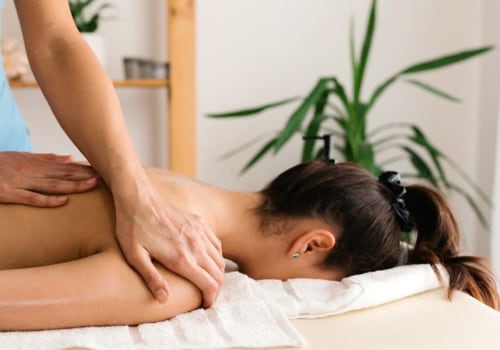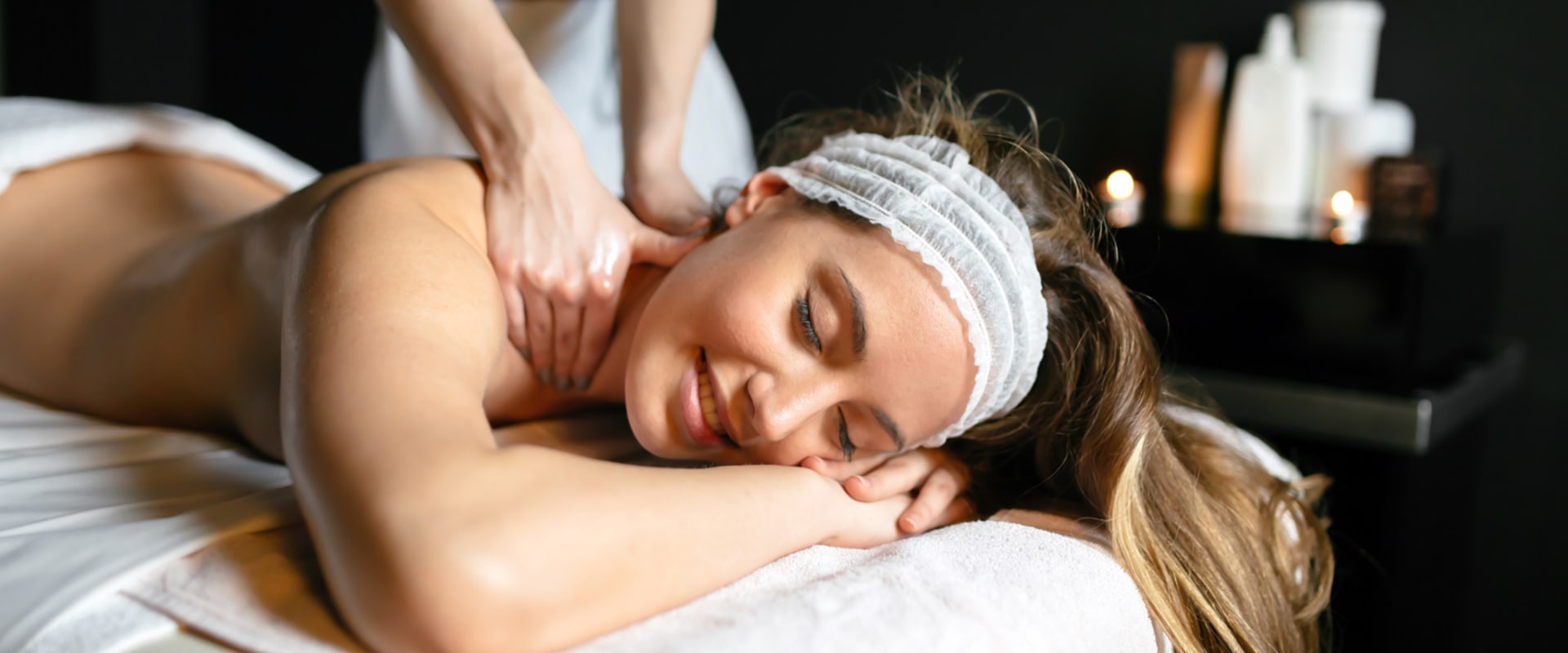
In today’s fast-paced world, the significance of massage and body treatments cannot be overstated. These therapies serve as a sanctuary for individuals seeking relief from the stresses of daily life, offering not just physical relaxation but also mental rejuvenation. Understanding the importance of these treatments is essential for anyone looking to enhance their overall well-being. Massage therapy is more than just a luxury; it is a vital component of self-care that can lead to profound improvements in both physical and emotional health.The benefits of body treatments extend far beyond mere relaxation.
Regular massage can alleviate chronic pain, improve circulation, and enhance flexibility, making it an invaluable tool for those with active lifestyles or specific health concerns. Furthermore, the psychological advantages are equally compelling. Many individuals report reduced anxiety levels and improved mood following a massage session, highlighting the therapy's role in promoting mental clarity and emotional balance. This holistic approach to health underscores why selecting the right type of massage is crucial for achieving desired outcomes.Moreover, with a myriad of massage styles available—from Swedish to deep tissue, and even specialised techniques like sports or prenatal massage—understanding what each treatment entails is vital.
Each type offers unique benefits tailored to different needs, making it imperative for clients to consider their personal goals when choosing a massage therapist. By recognising the diverse offerings within the realm of massage therapy, individuals can make informed decisions that align with their health objectives.Ultimately, embracing massage and body treatments as part of a regular wellness routine can lead to significant improvements in quality of life. As we delve deeper into the various aspects of choosing the right massage, it becomes clear that this journey is not just about relaxation; it’s about investing in one’s health and well-being.
Types of Massage Therapies Explained
When it comes to massage and body treatments, understanding the different types of massage therapies available can significantly enhance your experience. Each style offers unique techniques and benefits, catering to various needs and preferences.Below, we explore some of the most popular massage types, highlighting their distinctive features and advantages.
Swedish Massage
Swedish massage is one of the most widely recognised forms of massage therapy. It employs long, flowing strokes, kneading, and circular movements on the topmost layer of muscles. This technique is designed to promote relaxation, improve circulation, and alleviate tension. Ideal for those new to massage, Swedish therapy is perfect for reducing stress and enhancing overall well-being.Deep Tissue Massage
For individuals seeking relief from chronic pain or muscle tension, deep tissue massage may be the ideal choice.This technique focuses on the deeper layers of muscle and connective tissue, using slower strokes and more intense pressure. It is particularly beneficial for athletes or those with physically demanding lifestyles, as it helps to release tightness and restore mobility.
Sports Massage
Sports massage is tailored specifically for athletes and active individuals. It combines techniques from both Swedish and deep tissue massages to prepare the body for optimal performance and recovery. This type of massage can help prevent injuries, reduce muscle soreness, and enhance flexibility.Whether you’re training for a marathon or recovering from a sports injury, sports massage can be an invaluable part of your routine.
Aromatherapy Massage
Aromatherapy massage integrates essential oils into the treatment process, enhancing the overall experience through scent. Each essential oil has its own therapeutic properties; for instance, lavender is known for its calming effects while eucalyptus can invigorate the senses. This type of massage not only relaxes the body but also promotes emotional balance and mental clarity.Hot Stone Massage
Hot stone massage involves the use of heated stones placed on specific points of the body to warm up tight muscles and promote relaxation. The heat from the stones allows the therapist to work more deeply into the muscles without causing discomfort.This therapy is particularly effective for those who suffer from stress or muscle tension.Choosing the right type of massage depends on your individual needs and preferences. By understanding these various styles and their benefits, you can make an informed decision that aligns with your wellness goals.
Factors to Consider When Choosing a Massage
When it comes to selecting the right massage therapist, several key factors should be taken into account to ensure that your experience is both enjoyable and beneficial. Understanding these factors can help you align your personal needs with the expertise of the therapist.Qualifications and Credentials
One of the first things to consider is the qualifications of the massage therapist. Look for therapists who are certified and licensed in their field.In the UK, reputable therapists should have completed a recognised training programme and hold a valid qualification from an accredited institution. This not only ensures that they have the necessary skills but also that they adhere to professional standards.
Experience and Specialisations
Experience plays a crucial role in the effectiveness of massage therapy. A therapist with several years of practice is likely to have encountered a variety of conditions and client needs, which can enhance their ability to tailor treatments effectively. Additionally, consider whether the therapist has any specialisations.For instance, if you are seeking relief from sports injuries, a therapist who specialises in sports massage may be more suitable than one who primarily offers relaxation techniques.
Personal Needs and Preferences
Your individual needs should guide your choice of therapist. Are you looking for deep tissue work to alleviate chronic pain, or do you prefer a gentle Swedish massage for relaxation? Communicating your specific requirements during an initial consultation can help ensure that the therapist can meet your expectations. Furthermore, consider any personal preferences regarding the environment; some clients may prefer a tranquil setting with soft music, while others might feel more comfortable in a straightforward clinical atmosphere.Client Reviews and Recommendations
Before making a decision, it’s wise to seek out client reviews or ask for recommendations from friends or family. Positive feedback from previous clients can provide insight into the therapist's approach and effectiveness.Online platforms often feature reviews that can help you gauge the overall satisfaction of past clients.
Consultation and Communication
A good therapist will take the time to discuss your health history and any concerns you may have before starting treatment. This initial consultation is an opportunity for you to assess their communication style and ensure that you feel comfortable discussing your needs openly. Effective communication is essential for a successful therapeutic relationship.In summary, choosing the right massage therapist involves careful consideration of their qualifications, experience, specialisations, and your personal preferences. By taking these factors into account, you can enhance your chances of receiving a massage that meets your specific needs and contributes positively to your overall well-being.Cost and Duration: What to Expect
When considering a massage, understanding the cost and duration is essential for making an informed decision.Prices can vary significantly based on the type of massage, the therapist's experience, and the location of the treatment. Here’s a breakdown of what you can typically expect.
Typical Costs of Massages
The cost of a massage can range widely. On average, you might find:- Swedish Massage: £50 to £90 for a 60-minute session.
- Deep Tissue Massage: £60 to £100 for an hour, as it requires more skill and effort.
- Hot Stone Massage: £70 to £120, given the additional materials and techniques involved.
- Aromatherapy Massage: £55 to £95, depending on the oils used and the therapist's expertise.
- Specialised Treatments: Such as sports or prenatal massages can range from £70 to £150, reflecting their tailored nature.
Duration of Massages
The duration of a massage is another critical factor. Most sessions last between 30 minutes to 90 minutes.Here’s how you might choose based on your needs:
- 30-Minute Sessions: Ideal for targeted relief in specific areas, such as neck or back pain.
- 60-Minute Sessions: The most common choice, providing a balanced experience that covers multiple areas without feeling rushed.
- 90-Minute Sessions: Best for those seeking comprehensive relaxation or addressing multiple issues, allowing for deeper work and more extensive coverage.
Special Services Offered by Massage Therapists
When exploring the world of massage therapy, it’s essential to consider the special services that therapists may offer.These additional treatments can significantly enhance your overall experience, providing tailored solutions to meet your specific needs. Below, we delve into some popular special services that you might encounter.
Aromatherapy
Aromatherapy is a holistic healing treatment that uses natural plant extracts, known as essential oils, to promote physical and emotional well-being. When combined with massage therapy, aromatherapy can elevate the experience by:- Enhancing relaxation: Certain essential oils, such as lavender and chamomile, are known for their calming properties, helping to reduce stress and anxiety.
- Alleviating pain: Oils like peppermint and eucalyptus can provide relief from muscle tension and soreness.
- Boosting mood: Citrus oils, such as orange and lemon, can uplift your spirits and energise your mind.
Hot Stone Massage
The hot stone massage is another popular service that involves the use of smooth, heated stones placed on specific points of the body. This technique offers several benefits:- Deep muscle relaxation: The heat from the stones penetrates deeply into the muscles, allowing for a more profound relaxation effect compared to traditional massage techniques.
- Improved circulation: The warmth helps to dilate blood vessels, enhancing blood flow and promoting healing.
- Stress relief: The combination of heat and massage can significantly reduce stress levels and promote a sense of well-being.
Additional Treatments
Many therapists also offer a range of other specialised treatments that can complement traditional massage techniques.These may include:
- Deep Tissue Massage: Focused on realigning deeper layers of muscles and connective tissue, this technique is particularly beneficial for chronic aches and pains.
- Sports Massage: Designed for athletes or those who engage in regular physical activity, this type of massage helps prevent injuries and improve performance.
- Prenatal Massage: Tailored specifically for expectant mothers, this service addresses the unique physical challenges faced during pregnancy.
Questions to Ask Your Massage Therapist
When preparing for a massage, it’s crucial to engage in a thorough consultation with your therapist. This not only helps you understand what to expect but also ensures that the treatment aligns with your specific needs and preferences.Here are some essential questions to consider asking:
- What types of massage do you specialise in? Understanding the therapist's specialisations can help you determine if they are the right fit for your needs. For instance, if you are seeking relief from sports injuries, a therapist who specialises in sports massage may be more beneficial.
- How long have you been practising? Experience can play a significant role in the quality of your massage. A therapist with several years of experience may have a deeper understanding of various techniques and how to tailor them to individual clients.
- What techniques will you use during the session? Different techniques can yield different results. Knowing whether the therapist employs deep tissue, Swedish, or other modalities can help set your expectations.
- Do you offer any additional services? Some therapists provide complementary treatments such as aromatherapy or hot stone therapy.
Inquiring about these options can enhance your overall experience.
- What products do you use? If you have allergies or sensitivities, it’s important to know what oils or lotions will be applied during your massage. This ensures that you avoid any adverse reactions.
- Can you accommodate specific health concerns? If you have particular issues such as chronic pain, pregnancy, or recent surgeries, discussing these with your therapist is vital. They can adjust their approach accordingly to ensure your safety and comfort.
- What should I expect during the session? Understanding the flow of the session can help ease any anxiety. Ask about what will happen before, during, and after the massage.
- Are there any contraindications I should be aware of? Certain conditions may require modifications or even prevent you from receiving specific types of massage.
It’s essential to discuss any medical history that could impact your treatment.
Preparing for Your Massage Appointment
Preparing for your massage appointment is a crucial step in ensuring that you have a relaxing and beneficial experience. Here are some practical tips to help you get ready for your session.Arrive Early
It’s advisable to arrive at least 15 minutes before your scheduled appointment. This extra time allows you to fill out any necessary paperwork, discuss your preferences with the therapist, and start to unwind before the massage begins.
Rushing in at the last minute can increase your stress levels, which is counterproductive to the purpose of the massage.
Communicate Your Preferences
Before the massage starts, take a moment to communicate your needs and preferences to your therapist. This includes discussing any areas of tension or discomfort, as well as your desired pressure level. Whether you prefer a gentle touch or a more vigorous technique, being open about your expectations will help tailor the session to suit you best.
What to Wear
Choosing the right attire for your massage is essential. Most spas and clinics provide draping sheets for modesty, but it’s still important to wear comfortable clothing that allows for easy movement.
If you’re receiving a treatment that requires you to undress, consider wearing loose-fitting underwear or a swimsuit if that makes you feel more comfortable. Remember, it’s perfectly acceptable to discuss any concerns about undressing with your therapist beforehand.
Hydrate Before and After
Staying hydrated is vital for maximising the benefits of your massage. Drink plenty of water before your appointment to help keep your muscles supple and reduce any potential soreness afterwards. Additionally, make sure to hydrate after the session as well; this helps flush out toxins released during the massage.
Avoid Heavy Meals
While it’s important not to arrive on an empty stomach, try to avoid heavy meals right before your appointment.
Eating a light snack or meal an hour or two prior can help prevent discomfort during the massage. You want to feel relaxed and at ease, not weighed down by a full stomach.
Consider Your Mental State
Your mental state can significantly impact how much you enjoy and benefit from your massage. If possible, take some time before your appointment to engage in calming activities such as deep breathing exercises or meditation. Arriving in a relaxed state of mind will enhance your overall experience.By following these tips, you can ensure that you are well-prepared for your massage appointment, allowing you to fully enjoy the therapeutic benefits of massage and body treatments.
Post-Massage Care: Maximising Benefits
After indulging in a rejuvenating massage, the journey to maximise its benefits doesn’t end when you leave the treatment room.In fact, post-massage care is crucial for enhancing the effects of your session and ensuring that you feel your best long after the massage is over. Here are some essential tips to consider:
Stay Hydrated
One of the most important aspects of post-massage care is hydration. Massage therapy can help release toxins from your muscles, and drinking plenty of water afterwards aids in flushing these out of your system. Aim to drink at least 8-10 glasses of water throughout the day following your massage.This not only helps in detoxification but also keeps your muscles hydrated, promoting recovery and reducing soreness.
Rest and Relax
Your body has just undergone a significant amount of relaxation and stress relief during the massage. To fully benefit from this, allow yourself some time to rest. Consider taking a short nap or simply lying down in a quiet space to let your body absorb the effects of the treatment. Engaging in light activities such as gentle stretching or yoga can also be beneficial, as it helps maintain flexibility without overexerting yourself.Avoid Strenuous Activities
After a massage, it’s advisable to avoid heavy exercise or strenuous activities for at least 24 hours.Your muscles may be more relaxed and less resilient immediately after a session, making them susceptible to strain or injury. Instead, opt for low-impact activities like walking or leisurely cycling to keep your body moving without overdoing it.
Consider Warm Baths or Showers
A warm bath or shower can further enhance the relaxation effects of your massage. The heat helps to soothe any lingering muscle tension and promotes blood circulation. Adding Epsom salts to your bath can provide additional benefits, as magnesium can help reduce muscle soreness and promote relaxation.Mind Your Diet
Post-massage nutrition plays a role in how you feel afterwards.Opt for light meals that are rich in nutrients, such as fruits, vegetables, and lean proteins. Avoid heavy or greasy foods that may leave you feeling sluggish. Incorporating anti-inflammatory foods like salmon, nuts, and leafy greens can also support recovery.
Listen to Your Body
Finally, pay attention to how your body feels after the massage. If you experience any discomfort or unusual symptoms, don’t hesitate to reach out to your therapist for advice.They may provide specific recommendations based on your individual needs.By following these post-massage care tips, you can significantly enhance the benefits of your massage therapy session, ensuring that you feel revitalised and ready to take on whatever comes next.
Common Myths About Massage Therapy Debunked
Massage therapy is often surrounded by a cloud of misconceptions that can deter individuals from experiencing its numerous benefits. Understanding the truth behind these myths is essential for anyone considering massage and body treatments. Here, we will debunk some of the most common myths associated with massage therapy.- Myth 1: Massage is only for relaxation. While many people associate massage with relaxation, it serves a variety of purposes. Therapeutic massages can alleviate pain, improve circulation, and enhance flexibility.
Different techniques target specific issues, such as sports injuries or chronic pain, making massage a versatile treatment option.
- Myth 2: All massages are painful. This misconception stems from the belief that deep tissue massages are the only effective type. However, not all massages need to be intense to be beneficial. Therapists can adjust pressure levels based on individual comfort and needs, ensuring a pleasant experience while still achieving therapeutic results.
- Myth 3: You need to be in pain to benefit from massage. Many people think that only those suffering from pain or injuries should seek massage therapy. In reality, regular massages can be beneficial for everyone, promoting overall wellness and stress relief, even for those without any specific ailments.
- Myth 4: Massage is a luxury rather than a necessity. While it may feel indulgent, regular massage therapy can be an essential part of maintaining physical and mental health.
It can help manage stress, reduce anxiety, and improve sleep quality, making it a valuable investment in one’s well-being.
- Myth 5: Massage therapy is not safe during pregnancy. Many expectant mothers believe that massage is unsafe during pregnancy. However, when performed by a qualified therapist trained in prenatal massage techniques, it can provide significant relief from discomfort and promote relaxation during this transformative time.
<strong>Conclusion</strong>: Making an Informed Choice for Your Well-Being
In summary, choosing the right massage or body treatment is a multifaceted process that requires careful consideration of various factors. Throughout this article, we have explored the essential elements that contribute to making an informed decision, ensuring that your experience is not only enjoyable but also beneficial for your overall well-being.First and foremost, understanding the different types of massages available is crucial.Each style, whether it be Swedish, deep tissue, or hot stone, offers unique benefits tailored to specific needs. By identifying what you hope to achieve from your massage—be it relaxation, pain relief, or muscle recovery—you can narrow down your options effectively.Moreover, the importance of asking the right questions cannot be overstated. Engaging with your massage therapist about their qualifications, specialisations, and the techniques they employ will provide you with valuable insights. This dialogue not only helps in establishing trust but also ensures that you are receiving a treatment that aligns with your personal health goals.Additionally, considering practical aspects such as cost and duration is vital.
Prices can vary significantly based on location and the type of treatment offered. Understanding these factors will help you budget accordingly and avoid any unexpected expenses. Similarly, knowing how long a session will last allows you to plan your time effectively and ensures that you receive the full benefits of the treatment.Finally, it’s essential to remember that informed decisions lead to better outcomes. By taking the time to research and reflect on your options, you empower yourself to select a massage or body treatment that truly meets your needs.
This proactive approach not only enhances your experience but also contributes positively to your physical and mental health.In conclusion, whether you are seeking relief from stress or simply wish to indulge in some self-care, making an informed choice is paramount. The right massage can be a transformative experience, promoting relaxation and rejuvenation. As you embark on this journey towards wellness, keep in mind the key points discussed here and trust in your ability to choose wisely for your body and mind.