Sleep quality is a crucial aspect of our overall health and wellbeing, often overlooked in the hustle and bustle of daily life. It refers not just to the quantity of sleep we get, but also to how restorative and refreshing that sleep is. High-quality sleep allows our bodies to recover, our minds to rejuvenate, and our emotional health to stabilise. Conversely, poor sleep quality can lead to a myriad of health issues, both physical and mental, making it essential to understand its significance.The importance of sleep cannot be overstated.
It plays a vital role in various bodily functions, including cognitive performance, emotional regulation, and immune system strength. When we experience restful sleep, we are better equipped to handle stress, make decisions, and maintain focus throughout the day. However, when sleep quality diminishes, the repercussions can be severe. Sleep deprivation can lead to irritability, decreased productivity, and even chronic health conditions such as obesity, diabetes, and cardiovascular diseases.Moreover, the effects of inadequate sleep extend beyond mere fatigue.
Research has shown that lack of quality sleep can exacerbate mental health issues such as anxiety and depression. Individuals may find themselves trapped in a vicious cycle where poor sleep leads to heightened stress levels, which in turn further disrupts their ability to achieve restful slumber. Understanding these dynamics is crucial for anyone seeking to improve their overall health.As we delve deeper into the topic of enhancing sleep quality through various methods, it becomes clear that incorporating practices like massage and body treatments can significantly contribute to achieving better rest. By addressing both the physical and mental barriers to quality sleep, massage therapy offers a holistic approach that not only promotes relaxation but also fosters an environment conducive to restorative sleep. can significantly contribute to achieving better rest. By addressing both the physical and mental barriers to quality sleep, massage therapy offers a holistic approach that not only promotes relaxation but also fosters an environment conducive to restorative sleep.
The Connection Between Massage and Sleep
Understanding the intricate relationship between massage and sleep is essential for anyone seeking to enhance their nightly rest.Numerous studies have shown that massage therapy can significantly improve sleep quality, making it a valuable tool for those struggling with insomnia or restless nights.One of the primary ways in which massage aids sleep is through its ability to reduce stress and anxiety. When we experience stress, our bodies produce cortisol, a hormone that can disrupt sleep patterns. Massage therapy helps to lower cortisol levels while simultaneously increasing the production of serotonin and dopamine, neurotransmitters that promote feelings of happiness and relaxation. This biochemical shift not only calms the mind but also prepares the body for a restful night.Different types of massage can offer unique benefits for sleep:
- Swedish Massage: Known for its gentle techniques, Swedish massage promotes relaxation and reduces muscle tension, making it easier to drift off to sleep.
- Deep Tissue Massage: This type targets deeper layers of muscle and connective tissue, alleviating chronic pain and tension that may hinder restful sleep.
- Aromatherapy Massage: Incorporating essential oils can enhance relaxation further, as certain scents like lavender are known to promote better sleep quality.
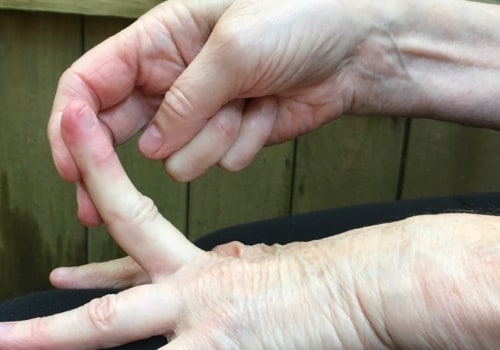
- Shiatsu Massage: This Japanese technique uses finger pressure on specific points to balance energy flow in the body, which can help calm the mind and prepare it for sleep.
This ritualistic aspect of massage can create a mental association between the treatment and relaxation, making it easier to transition into sleep mode.In addition to these immediate benefits, consistent massage therapy can lead to long-term improvements in sleep quality. By addressing underlying issues such as chronic pain or anxiety, individuals may find that they not only fall asleep faster but also enjoy deeper, more restorative sleep cycles.In conclusion, the connection between massage and improved sleep is profound. By incorporating various types of massage into your wellness routine, you can harness its benefits to enhance your overall sleep quality and mental wellbeing.
Mental Benefits of Massage Therapy
Massage therapy offers a multitude of mental benefits that can significantly enhance sleep quality. One of the primary advantages is its ability to alleviate stress.In our fast-paced lives, stress can accumulate, leading to a range of physical and mental health issues. Regular massage sessions can help mitigate this by promoting relaxation and reducing the levels of cortisol, the stress hormone, in the body.Through various techniques such as Swedish or deep tissue massage, therapists can target specific areas of tension, allowing for a profound sense of relief. This physical release translates into mental calmness, making it easier to unwind at the end of the day. As stress diminishes, so does its impact on sleep, paving the way for a more restful night.Another significant benefit of massage is its role in anxiety reduction.
Many individuals experience anxiety that can hinder their ability to fall asleep or stay asleep. Massage therapy has been shown to lower symptoms of anxiety by increasing serotonin and dopamine levels in the brain—neurotransmitters that play crucial roles in mood regulation. By fostering a sense of wellbeing and contentment, massage can help create an environment conducive to sleep.Moreover, the soothing touch of massage not only calms the mind but also enhances overall mood. The act of being touched in a safe and nurturing manner can trigger feelings of comfort and security.
This emotional support is vital for those struggling with feelings of loneliness or depression, which often accompany sleep disturbances.In addition to these benefits, regular massage therapy can improve mental clarity and focus during waking hours. When stress and anxiety are managed effectively, individuals often find themselves more productive and engaged in their daily activities. This improved mental state contributes to a positive feedback loop: better daytime functioning leads to reduced stress levels, which in turn promotes better sleep.In summary, the mental benefits of massage extend far beyond mere relaxation. By addressing stress and anxiety while enhancing mood and mental clarity, massage therapy serves as a powerful tool for improving sleep quality.
Incorporating regular massage into your self-care routine could be a transformative step towards achieving not only better sleep but also overall mental wellbeing.
Types of Massage Beneficial for Sleep Improvement
When it comes to enhancing sleep quality, various types of massage therapies can play a pivotal role. Each type offers unique techniques and benefits that cater to relaxation and stress relief, ultimately leading to improved sleep. Here are some of the most effective massage therapies for promoting better sleep:- Swedish Massage: This is one of the most popular forms of massage, characterised by long, flowing strokes and gentle kneading. Swedish massage helps to relax the entire body, reduce muscle tension, and improve circulation.
The soothing nature of this massage makes it particularly effective for those struggling with insomnia or restless nights.
- Deep Tissue Massage: For individuals who experience chronic pain or muscle tightness, deep tissue massage can be beneficial. This technique focuses on deeper layers of muscle and connective tissue, helping to alleviate tension and promote relaxation. By addressing physical discomfort, deep tissue massage can indirectly enhance sleep quality.
- Aromatherapy Massage: Combining the benefits of massage with essential oils, aromatherapy massage can create a calming atmosphere that promotes relaxation. Scents like lavender and chamomile are known for their sleep-inducing properties.
This type of massage not only relaxes the body but also soothes the mind, making it easier to drift off into a restful slumber.
- Hot Stone Massage: This therapy involves the use of heated stones placed on specific points of the body. The warmth from the stones helps to relax muscles and improve blood flow, which can be particularly soothing before bedtime. The combination of heat and massage can significantly reduce stress levels and promote a sense of tranquillity.
- Shiatsu Massage: Originating from Japan, shiatsu is a form of acupressure that uses finger pressure on specific points along the body's meridians. This technique aims to balance energy flow and relieve tension.
By promoting relaxation and reducing anxiety, shiatsu can help prepare the mind and body for a good night's sleep.
Incorporating Massage into Your Sleep Routine
Incorporating massage into your sleep routine can significantly enhance your overall sleep quality. By establishing a consistent practice, you can create a calming environment that promotes relaxation and prepares your body for rest.Here are some practical tips on how to effectively integrate massage therapy into your nightly routine.
Establish a Regular Massage Schedule
Consistency is key when it comes to reaping the benefits of massage for sleep improvement. Aim to schedule massages at least once a week, if possible. This regularity not only helps your body adapt to the relaxation process but also allows you to track improvements in your sleep quality over time. Consider the following:- Choose a specific day and time: Find a time that works best for you, whether it’s during the week or on weekends.
Evening massages can be particularly effective as they help signal to your body that it’s time to wind down.
- Communicate with your therapist: Discuss your sleep issues with your massage therapist. They can tailor the session to focus on areas of tension that may be affecting your ability to relax and fall asleep.
Create a Relaxing Pre-Sleep Ritual
In addition to scheduling regular massages, consider incorporating self-massage techniques into your nightly routine. This can be as simple as:- Using a foam roller: Spend a few minutes rolling out tight muscles before bed.
- Applying essential oils: Use calming scents like lavender or chamomile during self-massage to enhance relaxation.
- Practising deep breathing: Combine self-massage with deep breathing exercises to further calm your mind and body.
Utilise Massage Tools
If professional massages are not feasible for you, consider investing in massage tools that can be used at home. Options include:- Massage balls: Great for targeting specific muscle knots.
- Handheld massagers: Convenient for relieving tension in hard-to-reach areas.
- Massage cushions: Perfect for providing gentle pressure while you relax on the couch or in bed.
Remember, the goal is to create a soothing atmosphere that encourages relaxation and prepares both your mind and body for restorative sleep.
Complementary Practices to Enhance Sleep Quality
While massage therapy offers significant benefits for improving sleep quality, integrating complementary practices can further enhance these effects. By adopting a holistic approach that includes various relaxation techniques, individuals can create a more conducive environment for restful sleep.Yoga and Massage for Better Sleep
Yoga is a powerful practice that, when combined with massage, can significantly improve sleep quality. The gentle stretching and breathing exercises in yoga help to release physical tension and promote relaxation. Specific poses, such as Child's Pose and Legs-Up-the-Wall Pose, are particularly effective in calming the mind and body.- Child's Pose: This restorative pose encourages deep breathing and helps to relieve tension in the back and shoulders.
- Legs-Up-the-Wall Pose: This pose promotes circulation and relaxation, making it easier to unwind before bedtime.
Meditation and Relaxation Techniques
Meditation is another effective practice that complements massage therapy.Engaging in mindfulness meditation can help quiet the mind, reduce anxiety, and foster a sense of inner peace. Techniques such as guided imagery or body scan meditation can be particularly beneficial.
- Guided Imagery: This technique involves visualising calming scenes or experiences, which can help distract from racing thoughts and promote relaxation.
- Body Scan Meditation: This practice encourages awareness of bodily sensations, helping to identify areas of tension that may need attention during a massage.
FAQs About Massage and Sleep Quality
Massage therapy has gained recognition for its potential to enhance sleep quality, yet many individuals still have questions about its effectiveness and frequency.Below are some frequently asked questions that can help clarify common misconceptions regarding massage and body treatments in relation to sleep.
Does massage help with insomnia?
Yes, massage can be an effective tool for managing insomnia. By promoting relaxation and reducing stress, massage therapy can help calm the mind and body, making it easier to fall asleep. Studies have shown that individuals who receive regular massages report lower levels of anxiety and improved sleep patterns. The release of endorphins during a massage also contributes to a more positive mood, which can further alleviate insomnia symptoms.How often should I get a massage for better sleep?
The frequency of massages can vary based on individual needs and circumstances.For those struggling with sleep issues, it is generally recommended to receive a massage at least once a week. This regularity allows the body to maintain a state of relaxation and helps to manage stress levels effectively. However, some individuals may find that bi-weekly or monthly sessions are sufficient for their needs. It’s essential to listen to your body and consult with a qualified massage therapist to determine the best schedule for you.
What types of massage are best for improving sleep quality?
Several types of massage can be beneficial for enhancing sleep quality:- Swedish Massage: Known for its gentle techniques, Swedish massage promotes relaxation and reduces muscle tension.
- Deep Tissue Massage: This type targets deeper layers of muscle and connective tissue, helping to alleviate chronic pain and tension that may interfere with sleep.
- Aromatherapy Massage: Incorporating essential oils can enhance relaxation and create a calming atmosphere conducive to sleep.
- Shiatsu Massage: This Japanese technique uses finger pressure on specific points to balance energy flow, which can help reduce stress and promote restful sleep.
Consulting with a professional therapist can help you choose the most suitable option.In conclusion, incorporating massage therapy into your routine can significantly improve your sleep quality by addressing both physical and mental barriers to restful slumber. Regular sessions tailored to your individual needs can lead to lasting benefits for your overall wellbeing.
Conclusion: The Path to Better Sleep Through Massage Therapy
In conclusion, the journey towards achieving better sleep quality is multifaceted, and incorporating massage therapy into your routine can be a transformative step. Throughout this article, we have explored the profound mental benefits that massage offers, particularly in relation to sleep. By addressing both the physical and psychological aspects of relaxation, massage therapy serves as a powerful tool in combating sleep disturbances.One of the most significant advantages of massage is its ability to reduce stress and anxiety.In our fast-paced lives, stress often becomes a barrier to restful sleep. The soothing touch of a skilled massage therapist can help lower cortisol levels, the hormone associated with stress, while simultaneously boosting serotonin and dopamine levels. These neurotransmitters play a crucial role in regulating mood and promoting feelings of wellbeing, making it easier to drift off into a peaceful slumber.Moreover, the physical benefits of massage cannot be overlooked. By alleviating muscle tension and pain, massage therapy creates an environment conducive to relaxation.
When our bodies are free from discomfort, it becomes significantly easier to fall asleep and stay asleep throughout the night. Improved circulation resulting from massage also enhances overall bodily function, which can further contribute to better sleep quality.It is essential to view massage and body treatments as part of a holistic approach to health. While they provide immediate relief from stress and tension, their long-term benefits can lead to improved mental clarity, emotional stability, and overall quality of life. This holistic perspective encourages individuals to prioritise self-care practices that promote not only better sleep but also enhanced wellbeing.Incorporating regular massage sessions into your routine can be a proactive measure against insomnia and other sleep-related issues.
Whether you opt for a professional therapist or explore self-massage techniques at home, the key is consistency. By making massage therapy a regular part of your self-care regimen, you can pave the way for improved sleep quality and a more balanced life.Ultimately, the path to better sleep through massage therapy is not just about addressing symptoms; it’s about nurturing your mind and body holistically. Embrace the benefits of massage as a vital component of your journey towards restful nights and rejuvenated days.