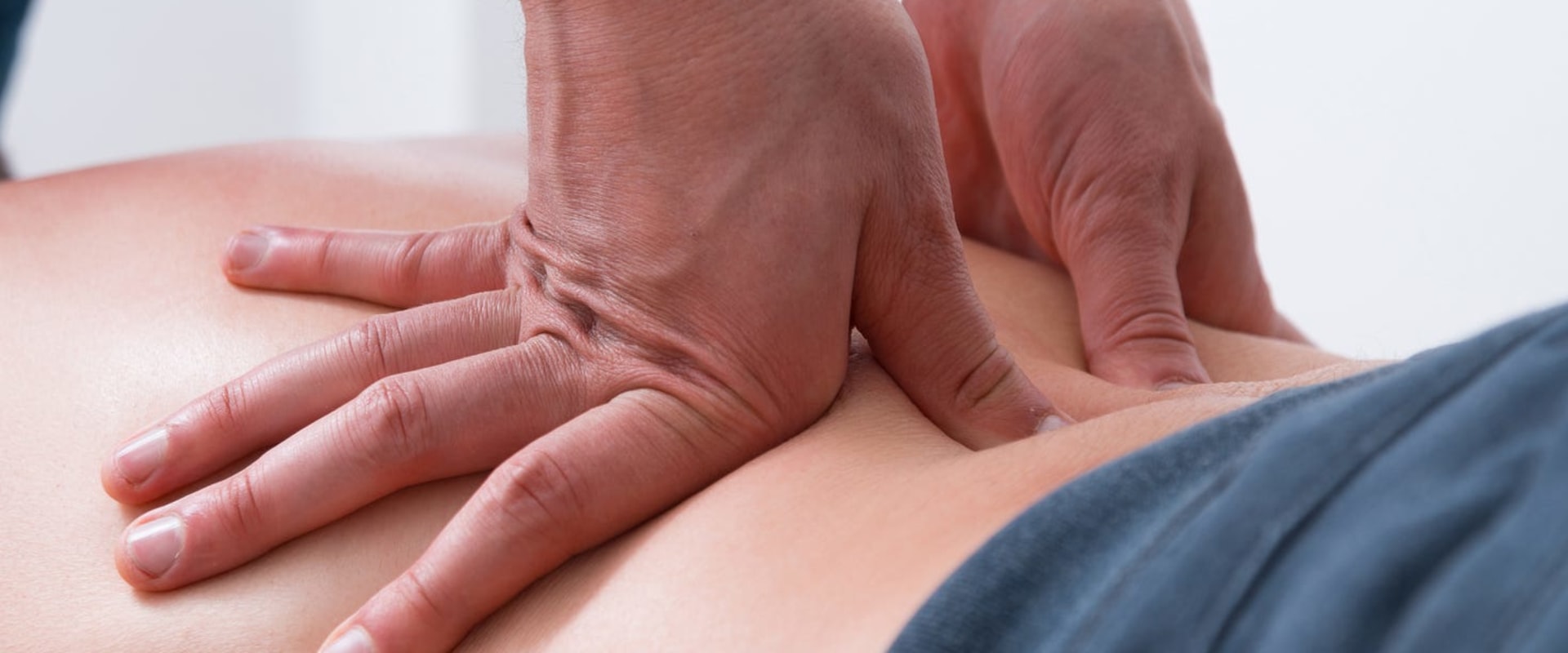
Deep tissue massage is a specialised form of massage therapy that delves into the deeper layers of muscle and connective tissue, making it a powerful tool for pain relief. Unlike traditional massage techniques that focus on relaxation and surface-level tension, deep tissue massage employs firm pressure and slow strokes to target chronic aches and pains. This method is particularly effective for individuals suffering from persistent discomfort, as it helps prevent situations where acute pain turn to chronic by addressing the root causes of pain rather than merely alleviating symptoms.The significance of understanding deep tissue massage lies in its ability to provide comprehensive relief from various conditions. Whether it’s lower back pain, neck stiffness, or muscle tension, this therapy can help restore balance and functionality to the body.
By breaking down adhesions and scar tissue, deep tissue massage enhances circulation and promotes healing, making it an essential component of many body treatments. Furthermore, the therapeutic effects extend beyond physical relief; many clients report improved mental clarity and reduced stress levels following a session.As we explore the intricacies of deep tissue massage throughout this article, it’s crucial to recognise how it differs from other forms of massage. While Swedish massage focuses on relaxation through gentle strokes, deep tissue massage prioritises the release of tension in deeper muscle layers. This distinction is vital for those seeking targeted pain management solutions.
Understanding these differences not only helps individuals choose the right therapy for their needs but also empowers them to engage more effectively with their health and wellness journey.
The Science Behind Deep Tissue Massage
Understanding the physiological effects of deep tissue massage is essential for appreciating its benefits. This therapeutic technique primarily targets the deeper layers of muscle and connective tissue, which can become tense and restricted due to various factors such as stress, injury, or overuse. By applying firm pressure and slow strokes, deep tissue massage works to break down adhesions and knots in the muscles, promoting relaxation and healing.One of the key mechanisms through which deep tissue massage operates is by stimulating blood circulation. Improved circulation enhances the delivery of oxygen and nutrients to the muscles while facilitating the removal of metabolic waste products.This process not only aids in muscle recovery but also helps to reduce inflammation, a common contributor to pain and discomfort.Moreover, deep tissue massage activates the body’s natural pain relief mechanisms. The application of pressure on specific points can trigger the release of endorphins, which are natural painkillers produced by the body. This biochemical response can lead to a significant reduction in perceived pain levels, making it an effective treatment for chronic conditions such as arthritis or fibromyalgia.In addition to alleviating pain, deep tissue massage plays a crucial role in enhancing flexibility and range of motion. By targeting tight muscles and fascia, this type of massage helps to elongate muscle fibres and release tension that may be restricting movement.
As a result, individuals often experience improved mobility in their daily activities.Furthermore, deep tissue massage has been shown to have a positive impact on mental health. The relaxation induced by this therapy can lower cortisol levels—often referred to as the stress hormone—thereby reducing anxiety and promoting a sense of well-being. This holistic approach not only addresses physical discomfort but also contributes to emotional balance.In summary, the science behind deep tissue massage reveals its multifaceted benefits for muscle tension relief and overall health. By understanding how this therapy works at a physiological level, individuals can better appreciate its role in pain management and recovery.
Benefits of Deep Tissue Massage for Pain Relief
Deep tissue massage offers a multitude of benefits, particularly for those seeking effective pain relief.This therapeutic technique not only targets the deeper layers of muscle and connective tissue but also addresses various physical and emotional challenges that contribute to discomfort.One of the primary advantages of deep tissue massage is its ability to improve circulation. By applying firm pressure to specific areas, blood flow is enhanced, which facilitates the delivery of oxygen and nutrients to the muscles. Improved circulation can significantly aid in the recovery process from injuries and reduce muscle soreness, making it an essential component of any pain management strategy.Another critical benefit is the reduction of inflammation. Chronic inflammation is often a root cause of persistent pain, particularly in conditions such as arthritis or fibromyalgia.
Deep tissue massage helps to alleviate this inflammation by breaking down adhesions and scar tissue that may be contributing to discomfort. As a result, individuals often experience a notable decrease in pain levels following treatment.Furthermore, deep tissue massage enhances flexibility and range of motion. By targeting tight muscles and fascia, this type of massage can help release tension that restricts movement. Increased flexibility not only aids in pain relief but also promotes better posture and reduces the risk of future injuries.In addition to physical benefits, deep tissue massage plays a significant role in stress relief.
The process of receiving a massage encourages relaxation and can lead to a decrease in cortisol levels, the hormone associated with stress. This reduction in stress can have a profound impact on overall wellbeing, as it helps to alleviate anxiety and improve sleep quality.In summary, deep tissue massage serves as an effective tool for managing pain through improved circulation, reduced inflammation, enhanced flexibility, and stress relief. For those grappling with chronic pain or seeking holistic approaches to wellness, incorporating deep tissue massage into their routine can yield substantial benefits.
Conditions Treated by Deep Tissue Massage
Deep tissue massage is renowned for its ability to address a variety of conditions, particularly those associated with chronic pain and muscle injuries. By applying focused pressure to the deeper layers of muscle and connective tissue, this therapeutic technique can provide significant relief for numerous ailments.- Chronic Back Pain: One of the most common issues treated by deep tissue massage is chronic back pain.
This condition often arises from muscle tension, poor posture, or previous injuries. The massage helps to alleviate tightness in the muscles surrounding the spine, promoting better alignment and reducing discomfort.
- Neck Pain: Many individuals suffer from neck pain due to stress, prolonged computer use, or sleeping in awkward positions. Deep tissue massage targets the muscles in the neck and upper back, helping to release tension and improve mobility.
- Muscle Strains and Sprains: Whether from sports activities or everyday movements, muscle strains can be debilitating. Deep tissue massage aids in the recovery process by increasing blood flow to the affected area, which promotes healing and reduces inflammation.
- Sciatica: Sciatica is characterized by pain that radiates along the sciatic nerve, often caused by herniated discs or spinal stenosis.
Deep tissue massage can help relieve pressure on the nerve by relaxing tight muscles in the lower back and buttocks.
- Arthritis: For those suffering from arthritis, deep tissue massage can provide relief from joint pain and stiffness. By improving circulation and reducing inflammation in the surrounding muscles, this therapy can enhance overall joint function.
- Postural Misalignment: Poor posture can lead to a range of musculoskeletal issues. Deep tissue massage helps to realign the body by loosening tight muscles that contribute to misalignment, thereby improving posture and reducing associated pain.
- Stress and Anxiety: While not a physical condition per se, stress and anxiety can manifest as physical tension in the body. Deep tissue massage promotes relaxation by reducing muscle tension and encouraging a sense of calm, which can be particularly beneficial for those dealing with chronic stress.
By targeting specific areas of tension and discomfort, this therapy not only alleviates pain but also enhances overall wellbeing.
What to Expect During a Deep Tissue Massage Session
When you arrive for your deep tissue massage session, it’s essential to understand what to expect to ensure a comfortable and beneficial experience. The session typically begins with a brief consultation where the therapist will ask about your medical history, any specific areas of concern, and your overall goals for the massage. This initial discussion is crucial as it allows the therapist to tailor the session to your individual needs.Once you’re ready, you will be asked to lie down on a massage table, usually in a private room designed for relaxation. You will be covered with a sheet or towel, exposing only the areas being worked on while maintaining your comfort and modesty.It’s important to communicate openly with your therapist about any discomfort or preferences regarding pressure during the massage.
Massage Techniques Used
Deep tissue massage employs various techniques aimed at reaching deeper layers of muscle and connective tissue. Some common methods include:- Stripping: This technique involves applying deep pressure along the length of the muscle fibres, helping to release tension and knots.
- Friction: The therapist uses their fingers or thumbs to apply pressure in a circular motion on specific areas, which can help break down adhesions and improve circulation.
- Kneading: This method involves lifting and squeezing the muscles, which can help relax tight areas and promote blood flow.
- Trigger Point Therapy: The therapist identifies specific points of tension within the muscle and applies sustained pressure to alleviate pain and discomfort.
Drinking plenty of water post-massage can help flush out toxins released during the treatment. Additionally, it’s advisable to rest and allow your body time to recover fully.In summary, knowing what to expect during a deep tissue massage can enhance your experience significantly. From the initial consultation to understanding the techniques used, being prepared will help you maximise the benefits of this therapeutic treatment.
Choosing the Right Therapist for Deep Tissue Massage
When it comes to receiving a deep tissue massage, selecting the right therapist is crucial for ensuring a safe and effective treatment. The effectiveness of the massage largely depends on the therapist's qualifications, experience, and understanding of the specific techniques involved in deep tissue therapy.1.Check Credentials
Before booking an appointment, it is essential to verify the therapist's credentials.
Look for therapists who are licensed and certified in massage therapy. In many regions, this requires completing a recognised training program and passing a certification exam. A qualified therapist should have a solid understanding of anatomy, physiology, and various massage techniques.
2.Specialisation in Deep Tissue Massage
Not all massage therapists specialise in deep tissue techniques. When searching for a therapist, specifically look for those who advertise themselves as deep tissue specialists.
These professionals will have additional training and experience in applying the necessary pressure and techniques to target deeper layers of muscle and connective tissue.
3.Experience Matters
Experience plays a significant role in the effectiveness of deep tissue massage. A therapist with several years of practice will likely have encountered a variety of conditions and will be better equipped to tailor the treatment to your specific needs. Ask potential therapists about their experience with treating conditions similar to yours.
4.Read Reviews and Testimonials
Online reviews can provide valuable insights into a therapist's skills and client satisfaction. Look for testimonials that specifically mention deep tissue massage experiences.
Positive feedback from previous clients can help you gauge whether a therapist is likely to meet your expectations.
5.Initial Consultation
Many therapists offer an initial consultation or assessment before beginning treatment. This is an excellent opportunity to discuss your pain points, medical history, and any concerns you may have. A good therapist will take the time to listen to your needs and explain their approach to treatment.
6.Communication During Treatment
Effective communication during the massage is vital. A skilled therapist will encourage you to provide feedback about pressure levels and comfort throughout the session.
This ensures that the treatment remains effective while also being mindful of your pain threshold.By taking these steps to choose a qualified therapist, you can enhance your chances of experiencing the full benefits of deep tissue massage for pain relief and overall wellbeing.
Safety Considerations and Contraindications
While deep tissue massage can offer significant benefits for pain relief and overall wellbeing, it is essential to consider certain safety precautions and contraindications before undergoing this type of therapy. Understanding when to avoid deep tissue massage can help prevent potential risks and ensure a safe experience.Safety Considerations
- Consultation with a Healthcare Professional: Before starting any new treatment, including deep tissue massage, it is advisable to consult with a healthcare provider, especially if you have pre-existing health conditions or concerns.
- Qualified Therapist: Ensure that your massage therapist is qualified and experienced in deep tissue techniques. A skilled therapist will be able to assess your individual needs and adjust their approach accordingly.
- Communication: Open communication with your therapist is crucial. Discuss any areas of discomfort, pain levels, or specific health issues you may have.
This will help the therapist tailor the session to your needs.
Contraindications for Deep Tissue Massage
- Acute Injuries: If you have recently sustained an injury, such as a sprain or strain, it is best to avoid deep tissue massage until the acute phase has passed.
- Inflammatory Conditions: Conditions like rheumatoid arthritis or severe inflammation may be exacerbated by deep tissue techniques. Consult with a healthcare professional before proceeding.
- Skin Conditions: Open wounds, rashes, or infections on the skin should be avoided during massage therapy to prevent further irritation or infection.
- Certain Medical Conditions: Individuals with conditions such as osteoporosis, blood clotting disorders, or heart disease should exercise caution. Deep tissue massage may not be suitable for everyone, and a thorough assessment by a healthcare provider is recommended.
- Pregnancy: Pregnant individuals should consult their doctor before receiving any form of massage therapy. Certain techniques may not be safe during pregnancy.
By being informed and communicating openly with your therapist, you can enjoy the benefits of this therapeutic practice while minimising risks.
Aftercare Tips Following a Deep Tissue Massage
After experiencing the profound benefits of a deep tissue massage, it is essential to engage in proper aftercare to maximise the treatment's effectiveness and support your body’s recovery. Here are some practical tips to consider following your session:- Stay Hydrated: One of the most crucial steps post-massage is to drink plenty of water. Deep tissue massage can release toxins stored in your muscles, and staying hydrated helps flush these out of your system. Aim for at least 2-3 glasses of water within the first few hours after your massage.
- Rest and Relax: Allow your body some time to recover.
Avoid strenuous activities or heavy exercise for at least 24 hours after your massage. Instead, opt for gentle stretching or light walking to keep your muscles engaged without overexerting them.
- Apply Heat or Cold: Depending on how your body feels post-massage, you may benefit from applying heat or cold to sore areas. A warm compress can help soothe tight muscles, while an ice pack can reduce any swelling or inflammation that may arise.
- Listen to Your Body: Pay attention to how you feel in the hours and days following your massage. It’s normal to experience some soreness, similar to what you might feel after a workout.
However, if you experience significant pain or discomfort, consult with your massage therapist or a healthcare professional.
- Gentle Stretching: Incorporating gentle stretches into your routine can enhance flexibility and prevent stiffness. Focus on areas that were targeted during the massage, but avoid pushing yourself too hard.
- Avoid Alcohol and Caffeine: For at least 24 hours post-massage, it’s advisable to steer clear of alcohol and caffeine. Both substances can dehydrate you and counteract the relaxation effects of the massage.
- Maintain a Healthy Diet: Eating a balanced diet rich in fruits, vegetables, lean proteins, and whole grains can support muscle recovery and overall wellbeing. Foods high in antioxidants can help reduce inflammation and promote healing.
Remember that each individual’s response may vary, so it’s important to find what works best for you.
Frequently Asked Questions about Deep Tissue Massage
Deep tissue massage is a popular therapy, yet many people still have questions about its effectiveness and safety. Below are some frequently asked questions that can help clarify common doubts and misconceptions surrounding this therapeutic technique.What is the difference between deep tissue massage and regular massage?
While both deep tissue and regular massages aim to promote relaxation and relieve tension, the techniques used differ significantly.Deep tissue massage
focuses on the deeper layers of muscle and connective tissue, employing more intense pressure to target chronic pain and muscle tightness. In contrast, regular massages typically use lighter pressure to enhance relaxation and improve circulation.Is deep tissue massage painful?
Many clients report experiencing some discomfort during a deep tissue massage, especially if they have tight muscles or chronic pain.However, it should not be excessively painful. It is crucial to communicate with your therapist about your comfort level. They can adjust the pressure accordingly to ensure a beneficial experience.
How often should I get a deep tissue massage?
The frequency of deep tissue massages can vary based on individual needs and conditions. For those with chronic pain or muscle tension, weekly sessions may be beneficial.Others may find that monthly treatments suffice for maintenance. Consulting with a qualified therapist can help determine the best schedule for your specific situation.
Can deep tissue massage help with specific conditions?
Yes, deep tissue massage can be effective for various conditions such as:- Chronic back pain
- Neck stiffness
- Sciatica
- Arthritis
- Postural issues
- Muscle injuries
Are there any risks associated with deep tissue massage?
While generally safe, deep tissue massage may not be suitable for everyone. Individuals with certain medical conditions, such as blood clots, fractures, or severe osteoporosis, should consult their healthcare provider before undergoing this treatment. Always inform your therapist of any health concerns prior to your session.What should I do after a deep tissue massage?
After a session, it is advisable to drink plenty of water to help flush out toxins released during the massage.You may also experience some soreness similar to post-exercise discomfort; this is normal and should subside within a day or two. Gentle stretching and rest can further aid recovery.By addressing these common questions, potential clients can feel more informed and confident in their decision to pursue deep tissue massage as a viable option for pain relief and overall wellness.
Conclusion: The Role of Deep Tissue Massage in Pain Management and Wellbeing
In conclusion, deep tissue massage emerges as a vital component in the realm of pain management and overall wellbeing. This therapeutic technique not only addresses chronic pain but also enhances the body’s natural healing processes. By focusing on the deeper layers of muscle and connective tissue, deep tissue massage effectively alleviates tension, reduces inflammation, and promotes improved circulation.The benefits of deep tissue massage extend beyond mere pain relief.As discussed, it plays a significant role in enhancing flexibility and range of motion, which is crucial for individuals recovering from injuries or dealing with chronic conditions. Furthermore, the psychological benefits cannot be overlooked; the reduction of stress and anxiety through this form of therapy contributes to a more balanced mental state, fostering a sense of calm and relaxation.Moreover, deep tissue massage is particularly beneficial for those suffering from specific conditions such as arthritis, sciatica, and postural misalignment. By targeting these areas with precision, therapists can help to break down scar tissue and release muscle knots that often lead to discomfort. This targeted approach not only alleviates pain but also empowers individuals to regain control over their physical health.It is essential to recognise that while deep tissue massage offers numerous advantages, it should be approached with care.
Consulting with a qualified therapist ensures that the treatment is tailored to individual needs and conditions. This personalised approach maximises the effectiveness of the therapy while minimising any potential risks.In summary, deep tissue massage stands out as an effective method for managing pain and enhancing overall wellbeing. Its multifaceted benefits make it a valuable addition to any holistic health regimen. As more individuals seek natural alternatives for pain relief, deep tissue massage will undoubtedly continue to play a pivotal role in promoting health and wellness.