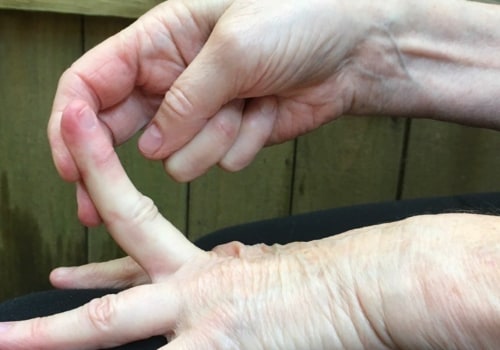
Swedish massage, a cornerstone of modern massage therapy, has its roots deeply embedded in the rich history of body treatments. Developed in the early 19th century by Swedish physiologist Henrik Ling , this technique was designed to promote physical and mental well-being through a series of structured movements. Unlike other forms of massage that may focus on deep tissue manipulation or specific acupressure points, Swedish massage employs a combination of long, flowing strokes, kneading, and gentle stretching to create a holistic experience that targets both the body and mind.The primary aim of Swedish massage is to induce relaxation and alleviate tension. This is achieved through five fundamental techniques: effleurage (long gliding strokes), petrissage (kneading), friction (circular movements), tapotement (tapping or chopping), and vibration (shaking).
Each technique serves a unique purpose, working together to enhance circulation, improve flexibility, and promote an overall sense of calm. As the therapist skillfully navigates these strokes, clients often find themselves drifting into a state of deep relaxation, making it an ideal choice for those seeking respite from the stresses of daily life.The significance of Swedish massage extends beyond mere relaxation; it is also recognised for its numerous health benefits. Regular sessions can lead to improved blood circulation, reduced muscle tension, and enhanced emotional well-being. Many individuals report experiencing better sleep patterns and decreased anxiety levels following their treatments.
In a world where stress is often unavoidable, incorporating Swedish massage into one’s self-care routine can be a transformative step towards achieving balance and harmony in both body and mind.
The Techniques of Swedish Massage
Swedish massage is renowned for its ability to promote relaxation and alleviate tension through a series of carefully executed techniques. At the heart of this therapeutic practice are five fundamental strokes, each designed to target specific areas of the body and enhance the overall massage experience. Understanding these techniques can help you appreciate how Swedish massage works and the benefits it offers.- Effleurage : This technique involves long, gliding strokes that are typically used at the beginning and end of a massage session. Effleurage serves to warm up the muscles, increase blood circulation, and prepare the body for deeper work.
The gentle pressure applied during this stroke helps to calm the nervous system, making it an essential component for achieving relaxation.
- Petrissage : Following effleurage, petrissage incorporates kneading movements that lift, roll, and squeeze the muscles. This technique is particularly effective for relieving muscle tension and improving flexibility. By manipulating the soft tissues, petrissage enhances lymphatic drainage and promotes the flow of oxygen-rich blood to the muscles, aiding in recovery and relaxation.
- Friction : Friction involves circular or transverse movements applied with varying degrees of pressure. This technique targets specific knots or areas of tightness within the muscles, breaking down adhesions and promoting deeper relaxation.
Friction is particularly beneficial for chronic pain conditions as it helps to release tension stored in the fascia surrounding the muscles.
- Tapotement : This technique consists of rhythmic tapping or chopping motions performed with the edge of the hands or fingertips. Tapotement stimulates nerve endings and increases circulation, providing a refreshing boost to tired muscles. While it may seem invigorating, it also serves to awaken the body’s natural energy flow, making it an excellent addition to a comprehensive massage session.
- Vibration : Vibration involves shaking or trembling movements applied to specific areas of the body. This technique can help to release muscle tension and promote relaxation by stimulating the nervous system.
Vibration is often used towards the end of a massage session to leave clients feeling rejuvenated yet relaxed.
Physical Benefits of Swedish Massage
Swedish massage is renowned not only for its ability to promote relaxation but also for its numerous physical benefits that contribute significantly to overall well-being. Among these benefits, improved circulation, muscle tension relief, and enhanced flexibility stand out as key factors that can transform one’s physical health.Improved Circulation
One of the primary advantages of Swedish massage is its capacity to enhance blood circulation throughout the body. The long, flowing strokes employed during the massage stimulate blood flow, which can lead to a variety of positive outcomes:- Increased Oxygen Supply: Enhanced circulation ensures that oxygen and essential nutrients are delivered more efficiently to the muscles and organs, promoting better overall function.
- Faster Recovery: Improved blood flow aids in the removal of metabolic waste products from the muscles, which can accelerate recovery after physical exertion or injury.
- Reduced Fatigue: By boosting circulation, Swedish massage can help alleviate feelings of fatigue and lethargy, leaving you feeling revitalised and energetic.
Muscle Tension Relief
Another significant benefit of Swedish massage is its effectiveness in relieving muscle tension.The combination of various techniques—such as kneading, tapping, and gliding—targets tight muscles and helps to release built-up tension:
- Relaxation of Tight Muscles: The gentle pressure applied during the massage encourages muscles to relax, which can alleviate discomfort and stiffness.
- Improved Range of Motion: By reducing muscle tension, Swedish massage can enhance flexibility and range of motion in joints, making everyday activities easier and more comfortable.
- Pain Management: Regular sessions can help manage chronic pain conditions by addressing underlying muscle tightness that contributes to discomfort.
Enhanced Flexibility
The rhythmic movements of Swedish massage not only relax the body but also promote greater flexibility. This is particularly beneficial for individuals who may experience stiffness due to sedentary lifestyles or physical activity:- Stretching Muscles: The long strokes help stretch muscles gently, which can improve elasticity and reduce the risk of injury during physical activities.
- Posture Improvement: Enhanced flexibility contributes to better posture by allowing the body to align more naturally, reducing strain on muscles and joints.
Mental and Emotional Benefits of Swedish Massage
Swedish massage is not only renowned for its physical benefits but also for its profound impact on mental and emotional well-being.In today’s fast-paced world, where stress and anxiety are prevalent, the therapeutic effects of this massage technique can be a sanctuary for the mind.One of the primary mental benefits of Swedish massage is its ability to significantly reduce stress levels. The gentle, rhythmic strokes employed during the massage help to activate the body’s relaxation response. This process lowers cortisol levels, the hormone associated with stress, while simultaneously increasing serotonin and dopamine, which are neurotransmitters that promote feelings of happiness and well-being. As a result, individuals often leave a session feeling lighter and more at peace.Moreover, Swedish massage can serve as an effective tool for anxiety relief.
The calming nature of the massage encourages deep breathing and mindfulness, allowing individuals to focus on the present moment rather than their worries. This shift in focus can help break the cycle of anxious thoughts that often plague those suffering from anxiety disorders. The soothing environment created by dim lighting and soft music further enhances this effect, making it easier for clients to unwind.In addition to alleviating stress and anxiety, Swedish massage can also combat symptoms of depression. Regular sessions can lead to improved mood and emotional stability.
The physical touch involved in massage therapy releases endorphins, which are natural mood lifters. This biochemical response can help mitigate feelings of sadness or hopelessness, providing a sense of comfort and connection that is often lacking in daily life.Furthermore, the act of receiving a Swedish massage fosters a sense of self-care and personal attention. In our busy lives, we often neglect our own needs; however, dedicating time to indulge in a massage can reinforce the importance of self-love and care. This practice not only enhances mental health but also encourages individuals to prioritise their well-being in other areas of life.In summary, the The physical touch involved in massage therapy releases endorphins, which are natural mood lifters. This biochemical response can help mitigate feelings of sadness or hopelessness, providing a sense of comfort and connection that is often lacking in daily life.Furthermore, the act of receiving a Swedish massage fosters a sense of self-care and personal attention. In our busy lives, we often neglect our own needs; however, dedicating time to indulge in a massage can reinforce the importance of self-love and care. This practice not only enhances mental health but also encourages individuals to prioritise their well-being in other areas of life.In summary, the mental and emotional benefits of Swedish massage are extensive.
From reducing stress and anxiety to promoting a more positive outlook on life, this form of therapy offers a holistic approach to mental wellness. By incorporating regular Swedish massages into one’s routine, individuals can cultivate a greater sense of calm and emotional resilience.
Aromatherapy and Its Role in Enhancing Relaxation
Aromatherapy is a holistic healing practice that utilises the natural fragrances of essential oils to promote physical and emotional well-being. When integrated into Swedish massage, aromatherapy can significantly enhance the relaxation experience, creating a multi-sensory environment that soothes both the body and mind.Essential oils are concentrated extracts derived from plants, each possessing unique properties that can influence mood and health. Here are some popular essential oils commonly used in massage therapy for their calming effects:- Lavender: Renowned for its soothing aroma, lavender oil is often used to alleviate stress and anxiety.
Its calming properties can help induce sleep and promote relaxation during a massage.
- Chamomile: This oil is known for its gentle, calming effects. Chamomile can help reduce tension and promote a sense of peace, making it an excellent choice for those seeking deep relaxation.
- Ylang Ylang: With its sweet floral scent, ylang ylang oil is believed to reduce stress and anxiety while enhancing mood. It can create a tranquil atmosphere during a Swedish massage.
- Bergamot: This citrus oil has uplifting properties that can help alleviate feelings of stress and tension. Its refreshing scent can invigorate the senses while promoting relaxation.
- Sandalwood: Known for its rich, woody aroma, sandalwood oil is often used to calm the mind and enhance mental clarity.
It can help create a serene environment during massage therapy.
The combination of gentle strokes from the Swedish massage technique and the aromatic benefits of essential oils creates a powerful synergy that promotes relaxation and well-being.Ultimately, the integration of aromatherapy into Swedish massage offers a unique opportunity to enhance relaxation through scent. By selecting the right essential oils, individuals can tailor their massage experience to meet their specific emotional and physical needs, leading to a more profound sense of peace and rejuvenation.
How to Prepare for a Swedish Massage Session
Preparing for a Swedish massage can significantly enhance your overall experience, ensuring that you reap the maximum benefits from the session. Here are some practical steps to help you get ready for your appointment.1.Arrive Early
It’s advisable to arrive at least 15 minutes before your scheduled appointment. This extra time allows you to fill out any necessary paperwork, discuss your specific needs with the therapist, and start to unwind before the massage begins.
2.Communicate Your Needs
Before the massage starts, your therapist will likely ask about any areas of tension or discomfort.
Be open about your preferences, whether you prefer lighter or deeper pressure, and inform them of any medical conditions or injuries. This communication is crucial for tailoring the session to your individual needs.
3.Dress Comfortably
Wear loose-fitting clothing to your appointment. While you will be provided with a gown or towel during the massage, arriving in comfortable attire can help you feel more relaxed and at ease.
4.Hydrate
Drink plenty of water before and after your massage. Staying hydrated helps to flush out toxins released during the massage and can enhance your overall experience.
5.Set Your Intentions
Take a moment to reflect on what you hope to achieve from the session.
Whether it’s relaxation, pain relief, or simply a break from daily stressors, setting clear intentions can help guide your experience.
What to Expect During Your Swedish Massage
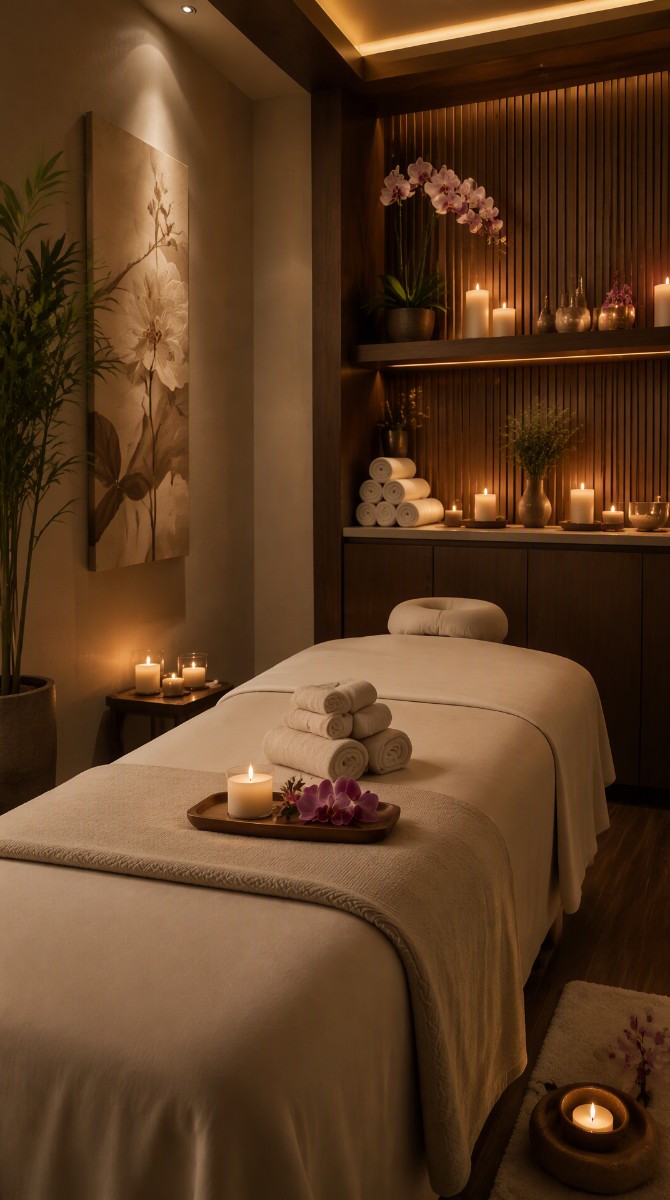
During a Swedish massage, you can expect a series of long, flowing strokes designed to promote relaxation and improve circulation. The therapist will use various techniques such as effleurage (gliding strokes), petrissage (kneading), and tapotement (tapping) to address muscle tension and enhance relaxation.The environment will typically be calm and soothing, often featuring soft music and dim lighting to create a tranquil atmosphere. You will be draped with towels or sheets for modesty while allowing access to the areas being treated.
Tips for First-Time Clients
- Relax: It’s natural to feel a bit anxious before your first massage. Take deep breaths and remind yourself that this is a time for self-care.
- Trust Your Therapist: Your therapist is trained to provide a safe and effective experience.
Trust their expertise and let them guide you through the process.
- Provide Feedback: If at any point during the massage you feel uncomfortable or if the pressure is too much, don’t hesitate to communicate this with your therapist.
- Enjoy the Experience: Allow yourself to fully immerse in the experience. Focus on how your body feels and let go of any distractions.
Finding the Right Massage Therapist
Choosing the right massage therapist is crucial for ensuring a positive and effective experience, especially when it comes to Swedish massage. With numerous options available, it can be overwhelming to find a qualified professional who meets your needs. Here are some essential factors to consider when selecting a massage therapist.Qualifications and Credentials
First and foremost, it is important to verify the qualifications of potential therapists.Look for individuals who have completed accredited training programs in massage therapy. In the UK, reputable therapists should hold a diploma or degree in massage therapy from a recognised institution. Additionally, they should be registered with a professional body, such as the Federation of Holistic Therapists (FHT) or the Complementary and Natural Healthcare Council (CNHC). These organisations ensure that their members adhere to high standards of practice and ethics.
Experience and Specialisation
Experience plays a significant role in the effectiveness of a massage therapist.When searching for someone to provide Swedish massage, consider their level of experience specifically in this technique. A therapist who has specialised in Swedish massage will have a deeper understanding of its nuances and techniques, which can enhance your overall experience. Don’t hesitate to ask about their background and how long they have been practising.
Client Reviews and Recommendations
Word-of-mouth recommendations can be invaluable when selecting a therapist. Ask friends, family, or colleagues if they can recommend someone they trust.Online reviews on platforms like Google or social media can also provide insights into the experiences of other clients. Look for feedback regarding the therapist’s professionalism, communication skills, and ability to create a relaxing environment.
Consultation and Comfort
A good therapist will often offer an initial consultation before the massage session. This is an opportunity for you to discuss your specific needs, any areas of tension, and your overall health history. Pay attention to how comfortable you feel during this conversation; a therapist who listens attentively and addresses your concerns is likely to provide a better experience.Location and Accessibility
Finally, consider the location of the therapy practice.Finding a local therapist can save you time and make it easier to schedule regular sessions. Look for therapists who are conveniently located near your home or workplace. Additionally, check their availability to ensure that their schedule aligns with yours.By taking these factors into account—qualifications, experience, client feedback, comfort level during consultations, and accessibility—you can make an informed decision when choosing a massage therapist for your Swedish massage needs. This careful selection process will help ensure that you receive the best possible care and achieve the relaxation you seek.
Common Misconceptions About Swedish Massage
Despite its popularity, there are several misconceptions surrounding Swedish massage that can lead to misunderstandings about its benefits and techniques.Addressing these myths is essential for anyone considering this form of massage and body treatments.
Myth 1: Swedish Massage is Only for Relaxation
While it is true that Swedish massage is renowned for its ability to promote relaxation, it also offers numerous therapeutic benefits. Many people believe that this type of massage is solely about unwinding, but it can also help alleviate muscle tension, improve circulation, and enhance flexibility. The gentle strokes used in Swedish massage can effectively address specific areas of discomfort, making it a versatile treatment option.
Myth 2: All Massage Therapies Are the Same
Another common misconception is that all forms of massage therapy provide the same results. In reality, different techniques serve various purposes.
For instance, while Swedish massage focuses on relaxation and overall well-being, other modalities like deep tissue or sports massage target specific muscle groups and injuries. Understanding these differences can help individuals choose the right treatment for their needs.
Myth 3: Swedish Massage is Painful
Some individuals may shy away from Swedish massage due to the belief that it involves painful pressure. However, this type of massage is designed to be gentle and soothing. The therapist tailors the pressure according to the client's comfort level, ensuring a pleasant experience.
If you prefer lighter strokes or have sensitive areas, communicating this with your therapist can lead to a more enjoyable session.
Myth 4: You Need to Be Fit to Benefit from Swedish Massage
This myth suggests that only those who are physically fit can enjoy the advantages of Swedish massage. In truth, people of all fitness levels can benefit from this treatment. Whether you are an athlete seeking recovery or someone with a sedentary lifestyle looking to relieve stress, Swedish massage can cater to your individual needs.
Myth 5: Massage is Only for Women
There is a stereotype that massage therapy is primarily a female-oriented practice. This misconception overlooks the fact that men also experience stress, muscle tension, and physical discomfort.
In fact, many men seek out Swedish massage for its therapeutic benefits and relaxation properties. It’s important to recognise that anyone can benefit from body treatments regardless of gender.By debunking these common myths about Swedish massage, individuals can approach their treatment with a clearer understanding of what to expect. This knowledge not only enhances the overall experience but also encourages more people to explore the numerous benefits that massage therapy has to offer.
Integrating Swedish Massage into Your Wellness Routine
Incorporating Swedish massage into your wellness routine can significantly enhance your overall health and well-being. This therapeutic practice not only promotes relaxation but also serves as a vital component of a holistic approach to self-care.To fully reap the benefits of Swedish massage, it is essential to consider how often to schedule sessions and what complementary self-care practices can be integrated.
Frequency of Massages
The frequency of Swedish massage sessions can vary based on individual needs and lifestyle. For those experiencing high levels of stress or muscle tension, a weekly session may be beneficial. This regularity allows the body to maintain a state of relaxation and helps prevent the accumulation of tension. On the other hand, if you are seeking maintenance or occasional relief, scheduling a massage every two to four weeks can be effective.It is also important to listen to your body.
If you find yourself feeling particularly tense or fatigued, consider booking an additional session. Conversely, if you feel rejuvenated and relaxed after a massage, extending the time between sessions may be appropriate.
Complementary Self-Care Practices
To maximise the benefits of Swedish massage, integrating other self-care practices into your routine can be highly effective. Here are some suggestions:
- Hydration: Drinking plenty of water before and after your massage helps flush out toxins released during the treatment and keeps your muscles hydrated.
- Stretching: Incorporating gentle stretching exercises into your daily routine can enhance flexibility and complement the effects of your massage.
- Meditation: Practising mindfulness or meditation can help maintain the calmness achieved during your massage, reducing stress levels throughout the week.
- Aromatherapy: Using essential oils at home can create a soothing environment that mirrors the relaxation experienced during your massage sessions.
- Regular Exercise: Engaging in physical activity not only improves circulation but also helps alleviate muscle tension, making your massage more effective.
<strong>Conclusion</strong>
In summary, Swedish massage stands out as a highly effective method for achieving profound relaxation and overall well-being.Throughout this article, we have explored the various aspects of this therapeutic practice, highlighting its numerous benefits and the techniques involved.One of the primary advantages of Swedish massage is its ability to alleviate stress and tension. The gentle, flowing strokes employed during the massage not only soothe the muscles but also calm the mind, creating a holistic sense of peace. This is particularly beneficial in today’s fast-paced world, where stress can accumulate and lead to various health issues.Moreover, we discussed how Swedish massage enhances circulation, which is vital for maintaining optimal health. Improved blood flow can accelerate healing processes, boost energy levels, and contribute to a more vibrant lifestyle.
The kneading and gliding motions stimulate the circulatory system, ensuring that oxygen and nutrients are efficiently delivered throughout the body.Another significant benefit is the increase in flexibility and range of motion. By loosening tight muscles and connective tissues, Swedish massage can help individuals regain mobility and improve their posture. This is especially important for those who lead sedentary lifestyles or engage in repetitive activities that may cause stiffness.Additionally, we highlighted the positive impact of Swedish massage on mental health. Regular sessions can reduce symptoms of anxiety and depression, fostering a greater sense of emotional balance.
The incorporation of aromatherapy oils further enhances this experience, creating an environment conducive to relaxation.Incorporating Swedish massage into your self-care routine can be a transformative experience. Whether you seek relief from chronic pain or simply wish to unwind after a hectic day, this form of massage therapy offers a multitude of benefits that cater to both physical and mental well-being.As you consider your options for self-care, remember that prioritising relaxation through Swedish massage can lead to lasting improvements in your quality of life. Embrace this opportunity to nurture yourself and discover the profound effects that regular massage therapy can have on your overall health.