Choosing the right massage therapist is a crucial step in ensuring that you receive the maximum benefits from your massage and body treatments. The relationship between a client and their therapist can significantly influence the effectiveness of the treatment, as well as the overall experience. A skilled therapist not only possesses the technical knowledge and expertise required to perform various massage techniques but also understands the importance of tailoring each session to meet individual needs. This personalised approach can lead to enhanced relaxation, pain relief, and improved mobility.When you select a massage therapist, you are not just choosing someone to provide a service; you are investing in your health and well-being.
The right therapist will take the time to listen to your concerns, assess your physical condition, and create a treatment plan that aligns with your goals. This level of attention can make all the difference, especially if you are seeking relief from chronic pain or stress-related issues. Furthermore, a good therapist will educate you about the various types of massage available, helping you understand which techniques may be most beneficial for your specific situation.Moreover, the benefits of massage therapy extend beyond mere relaxation. Regular sessions with a qualified therapist can lead to improved circulation, reduced muscle tension, and enhanced mental clarity.
By choosing a therapist who is not only experienced but also empathetic and communicative, you set the stage for a more effective healing process. In essence, investing time in finding the right massage therapist is an investment in your overall health—one that can yield significant returns in terms of physical comfort and emotional well-being.
Types of Massage and Body Treatments
When it comes to massage and body treatments, the variety of options available can be overwhelming. Each type of massage therapy offers unique benefits tailored to different needs, making it essential to understand what each entails before making a decision.1.Swedish Massage
One of the most widely recognised forms of massage, Swedish massage employs long, flowing strokes, kneading, and gentle circular movements on the topmost layers of muscle. This technique is particularly effective for promoting relaxation, improving circulation, and alleviating muscle tension.
It is an excellent choice for those new to massage therapy or seeking a calming experience.
2.Deep Tissue Massage
For individuals dealing with chronic pain or muscle stiffness, deep tissue massage is a more intensive option. This technique focuses on realigning deeper layers of muscles and connective tissue, often using slower strokes and more pressure. It is particularly beneficial for athletes or those who engage in regular physical activity, as it helps to relieve tension in specific areas.
3.Sports Massage
Designed specifically for athletes, sports massage combines techniques from both Swedish and deep tissue massages. It aims to prevent injuries, enhance performance, and aid recovery from strenuous activities.
This type of massage can be tailored to the individual’s sport and specific needs, making it a valuable addition to any athlete's training regimen.
4.Aromatherapy Massage
Aromatherapy massage incorporates essential oils into the treatment, enhancing the overall experience with their therapeutic properties. Different oils can be used to promote relaxation, uplift mood, or energise the body. This type of massage not only addresses physical tension but also supports emotional well-being.
5.Hot Stone Therapy
This unique treatment involves the use of heated stones placed on specific points of the body to warm up tight muscles and promote relaxation. The heat from the stones allows the therapist to work deeper into the muscles without causing discomfort.
Hot stone therapy is particularly effective for those who prefer a gentler approach while still seeking relief from muscle tension.
6.Reflexology
Reflexology is based on the principle that specific points on the feet correspond to different organs and systems in the body. By applying pressure to these points, reflexology aims to promote overall health and balance within the body. This treatment can be particularly beneficial for stress relief and improving circulation.Understanding these various types of massage therapy options allows you to make an informed choice based on your personal needs and preferences. Whether you seek relaxation or targeted relief from pain, there is a suitable treatment available for everyone.
Key Qualifications to Look for in a Massage Therapist
When searching for a massage therapist, understanding their qualifications is crucial to ensuring a safe and effective treatment.Here are some key qualifications and certifications to consider:
- Certification and Licensing: A certified massage therapist should hold a valid license to practice in their respective region. This typically requires completing an accredited massage therapy program and passing a national or state examination. Always verify that the therapist's license is current and in good standing.
- Educational Background: Look for therapists who have completed comprehensive training programs that cover various massage techniques, anatomy, physiology, and ethics. A solid educational foundation is essential for understanding the human body and providing effective treatments.
- Specialisation: Depending on your needs, you may want to find a therapist who specialises in specific types of massage, such as deep tissue, sports massage, or prenatal massage.
Specialisation often indicates additional training and experience in that area.
- Experience: Experience plays a significant role in the effectiveness of massage therapy. A therapist with several years of practice is likely to have encountered a variety of conditions and client needs, allowing them to tailor treatments more effectively. Ask about their experience with specific issues you may have.
- Continuing Education: The field of massage therapy is continually evolving, with new techniques and research emerging regularly. A commitment to ongoing education demonstrates a therapist's dedication to staying current with industry standards and improving their skills.
- Professional Associations: Membership in professional organisations, such as the Massage Therapy Association or similar bodies, can indicate a therapist's commitment to ethical practices and professional development.
These associations often require members to adhere to specific standards of practice.
How to Assess a Massage Therapist's Experience and Specialisation
When it comes to selecting a massage therapist, understanding their experience and specialisation is crucial for ensuring that you receive the most effective treatment tailored to your needs. Here are some key factors to consider when assessing a therapist's qualifications:- Years of Practice: Inquire about how long the therapist has been practising. A therapist with several years of experience is likely to have honed their skills and developed a deeper understanding of various techniques.
- Specialisation: Many therapists specialise in specific types of massage, such as deep tissue, sports massage, or prenatal massage.
It’s essential to find someone whose expertise aligns with your needs. For instance, if you are recovering from an injury, a therapist with a background in sports massage may be more beneficial.
- Certifications and Training: Check if the therapist holds relevant certifications from recognised institutions. This not only indicates their level of training but also their commitment to maintaining professional standards.
- Continuing Education: The field of massage therapy is continually evolving. A dedicated therapist will engage in ongoing education to stay updated on the latest techniques and practices.
Ask about any recent workshops or courses they have attended.
- Client Testimonials: Reading reviews from previous clients can provide insight into the therapist’s effectiveness and approach. Look for feedback that highlights their ability to address specific issues or conditions.
The Role of Communication in the Therapist-Client Relationship
Effective communication is a cornerstone of a successful massage and body treatments experience.The relationship between a client and their massage therapist is built on trust, understanding, and open dialogue. This dynamic not only enhances the therapeutic process but also ensures that the treatment aligns with the client's specific needs and expectations.When you first meet your therapist, it is crucial to engage in a thorough discussion about your goals for the session. This includes sharing any physical concerns, such as chronic pain or areas of tension, as well as your overall wellness objectives. By articulating these needs clearly, you empower your therapist to tailor the session to address your unique situation.
Expressing Your Needs
- Be Specific: Instead of saying you want to feel "better," specify what that means for you.
Are you seeking relief from muscle soreness, stress reduction, or improved flexibility?
- Discuss Preferences: Communicate your preferences regarding pressure levels, techniques, and areas to focus on or avoid. For instance, if you prefer a lighter touch or have sensitive areas, let your therapist know.
- Share Medical History: Inform your therapist about any medical conditions, injuries, or allergies that may affect the treatment. This information is vital for ensuring your safety and comfort during the session.
The Importance of Feedback
Feedback during the session is equally important. If at any point you feel discomfort or if the pressure is too intense, do not hesitate to communicate this to your therapist.
A skilled professional will appreciate your honesty and adjust their approach accordingly. Remember, the goal is to create a comfortable environment where you can fully relax and benefit from the treatment.
Building Trust
A strong client-therapist relationship fosters trust, which can significantly enhance the effectiveness of massage and body treatments. When clients feel safe and understood, they are more likely to relax and allow the therapist to work effectively. This trust is cultivated through consistent communication before, during, and after sessions.In conclusion, prioritising open communication with your massage therapist is essential for achieving optimal results from your treatments.
By expressing your needs clearly and providing ongoing feedback, you can ensure that each session is tailored to support your health and wellness journey.
Reading Reviews and Testimonials: What to Look For
When it comes to selecting a massage therapist, reading reviews and testimonials from previous clients can provide invaluable insights. These reflections not only highlight the therapist's skills but also give you a sense of their approach and the overall experience you can expect. However, interpreting these reviews effectively requires a discerning eye.1.Look for Specific Feedback
- Technique and Style: Pay attention to comments about the therapist's technique. Are clients mentioning specific styles, such as deep tissue or Swedish massage? This can help you determine if the therapist is well-versed in the type of treatment you seek.
- Results Achieved: Look for testimonials that discuss the outcomes of the sessions.
Did clients experience relief from pain, improved mobility, or enhanced relaxation? Positive results can be a strong indicator of a therapist's effectiveness.
- Comfort and Environment: Reviews that mention the atmosphere of the therapy space can be telling. A calming environment is crucial for a successful massage experience, so consider feedback on cleanliness, ambiance, and overall comfort.
2.Evaluate Consistency
While one or two glowing reviews can be encouraging, it’s essential to look for patterns in feedback. If multiple clients consistently praise certain aspects of a therapist’s service—such as their professionalism, communication skills, or ability to address specific issues—this consistency can lend credibility to their claims.
3.Consider the Source
Not all reviews are created equal. Take note of where the testimonials are posted.
Reviews on reputable platforms or professional websites may carry more weight than those on personal blogs or social media. Additionally, consider the reviewer’s background; someone with similar needs or experiences may provide more relevant insights.
4.Be Wary of Red Flags
- Negative Patterns: If you notice recurring complaints about a therapist—such as issues with punctuality, lack of professionalism, or inadequate communication—these should raise concerns.
- Overly Generic Praise: Be cautious of reviews that are overly vague or sound scripted. Genuine testimonials often include specific details about the experience rather than generic compliments.
Preparing for Your First Appointment: What to Expect
Preparing for your first massage appointment can be both exciting and a little nerve-wracking.Understanding what to expect during your session and how to prepare can help ease any anxiety and ensure you have a positive experience.
What to Expect During Your First Massage Session
- Initial Consultation: Before the massage begins, your therapist will typically conduct a brief consultation. This is an opportunity for you to discuss your health history, any specific areas of concern, and your goals for the session. Be open and honest about any medical conditions or injuries, as this information is crucial for tailoring the treatment to your needs.
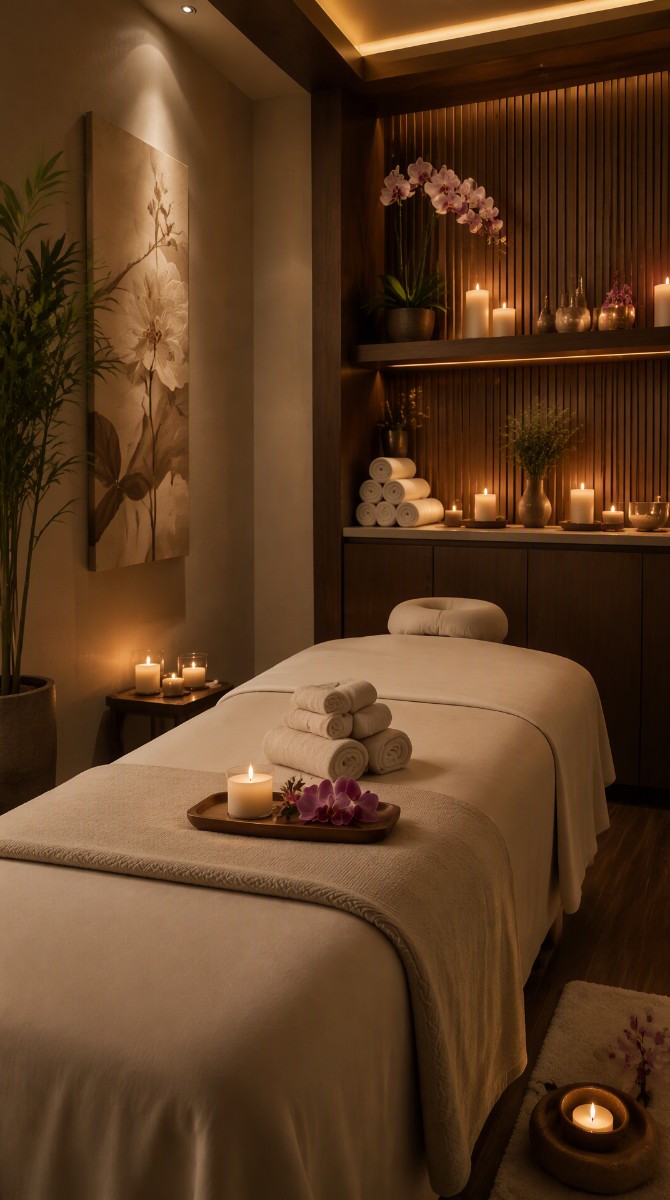
- Setting the Atmosphere: Once the consultation is complete, you will be guided to a private room where the massage will take place. The environment is usually calming, with soft lighting and soothing music designed to help you relax.
- Undressing: You will be asked to undress to your comfort level.
Most clients choose to remove their clothing entirely, but you can keep on underwear or wear a swimsuit if that makes you feel more comfortable. Your therapist will provide a sheet or towel for modesty and warmth during the session.
- The Massage: The actual massage will begin once you are settled on the table. Your therapist will use various techniques based on the type of massage you have chosen. They may check in with you periodically to ensure that the pressure is comfortable and that you are enjoying the experience.
- Post-Massage Discussion: After the session, your therapist may discuss how you felt during the massage and offer recommendations for aftercare or follow-up sessions.
This is also a good time to ask any questions you may have about your experience.
Preparing for Your Massage Appointment
- Arrive Early: Aim to arrive at least 10-15 minutes before your appointment. This allows you time to fill out any necessary paperwork and start relaxing before your session begins.
- Hydrate: Drink plenty of water before your appointment. Staying hydrated helps prepare your muscles for treatment and can enhance the benefits of the massage.
- Avoid Heavy Meals: While it’s important not to arrive hungry, try not to eat a large meal right before your appointment. A light snack is sufficient; this way, you won’t feel uncomfortable during the massage.
- Communicate: If you have any specific preferences regarding pressure or areas of focus, communicate these clearly with your therapist at the beginning of the session.
This ensures that your experience is tailored to your needs.
Common Questions About Massage Therapy Answered
When considering massage therapy, many individuals have questions and concerns that can influence their decision to seek treatment. Below are some of the most frequently asked questions regarding massage and body treatments and how to choose the right therapist.What should I expect during my first massage session?
During your initial visit, your therapist will typically conduct a brief consultation to understand your health history, any specific concerns, and your goals for the session. This is an excellent opportunity to discuss any medical conditions or injuries that may affect your treatment. Once you are comfortable, the therapist will guide you through the process, explaining what techniques they will use and ensuring you feel at ease throughout the session.How do I know which type of massage is right for me?
The type of massage that suits you best depends on your individual needs and preferences.For relaxation, a Swedish massage may be ideal, while those seeking relief from chronic pain might benefit more from a deep tissue massage. If you are an athlete, consider a sports massage to enhance performance and recovery. Discussing your goals with your therapist can help them recommend the most appropriate treatment.
Is it normal to feel sore after a massage?
It is not uncommon to experience some soreness following a massage, especially if deep pressure techniques were used. This soreness usually subsides within a day or two.However, if you feel significant pain or discomfort that persists, it is important to communicate this with your therapist so they can adjust their techniques in future sessions.
How often should I get a massage?
The frequency of massages can vary based on individual needs and lifestyle. For general wellness and relaxation, many people find that once a month is sufficient. However, if you are dealing with specific issues such as chronic pain or stress, more frequent sessions—such as weekly or bi-weekly—may be beneficial. Your therapist can help you determine the best schedule based on your circumstances.What qualifications should I look for in a massage therapist?
When selecting a massage therapist, it is crucial to check their qualifications and experience.Look for therapists who are certified by recognised professional bodies and have completed accredited training programs. Additionally, consider their specialisations; for instance, if you require specific techniques like aromatherapy or reflexology, ensure they have expertise in those areas.By addressing these common questions and concerns, potential clients can feel more informed and confident in their choices regarding massage therapy. Remember that open communication with your therapist is key to achieving the best possible outcomes from your sessions.
Conclusion: Making an Informed Choice for Your Wellbeing
In conclusion, selecting the right massage therapist is a crucial step towards enhancing your overall wellbeing. The journey to finding a therapist who aligns with your specific needs can significantly impact the effectiveness of your massage and body treatments.Throughout this article, we have explored various aspects that contribute to making an informed choice.Firstly, understanding the different types of massage therapies available is essential. Each technique, whether it be Swedish, deep tissue, or aromatherapy, serves distinct purposes and caters to varying preferences. By identifying what you seek from your massage experience—be it relaxation, pain relief, or improved mobility—you can narrow down your options effectively.Moreover, the qualifications and experience of a massage therapist should never be overlooked. A qualified professional not only possesses the necessary certifications but also has practical experience in the specific modalities you are interested in.
This expertise ensures that they can tailor their approach to meet your individual requirements.Communication plays a pivotal role in the therapeutic relationship. Engaging in an open dialogue with your therapist about your expectations, medical history, and any concerns you may have is vital. This exchange of information allows for a more personalised treatment plan that addresses your unique needs.Additionally, taking the time to read reviews and testimonials from previous clients can provide valuable insights into a therapist's capabilities and style. Positive feedback often indicates a therapist's ability to create a comfortable environment and deliver effective treatments.Ultimately, making an informed choice involves thorough research and self-reflection.
By considering all these factors—types of therapy, qualifications, communication, and client feedback—you empower yourself to select a massage therapist who will contribute positively to your health journey. Remember, the right therapist can transform your experience from merely enjoyable to profoundly healing.