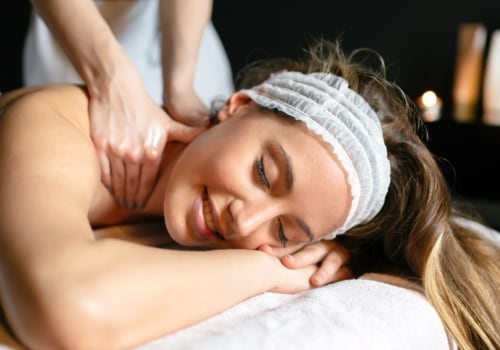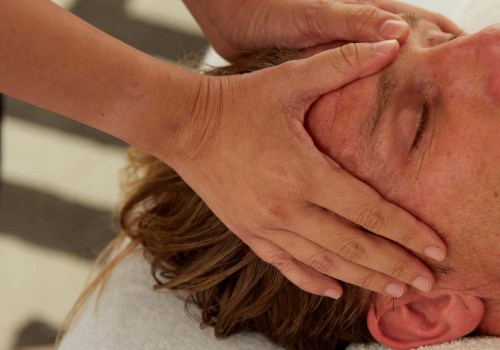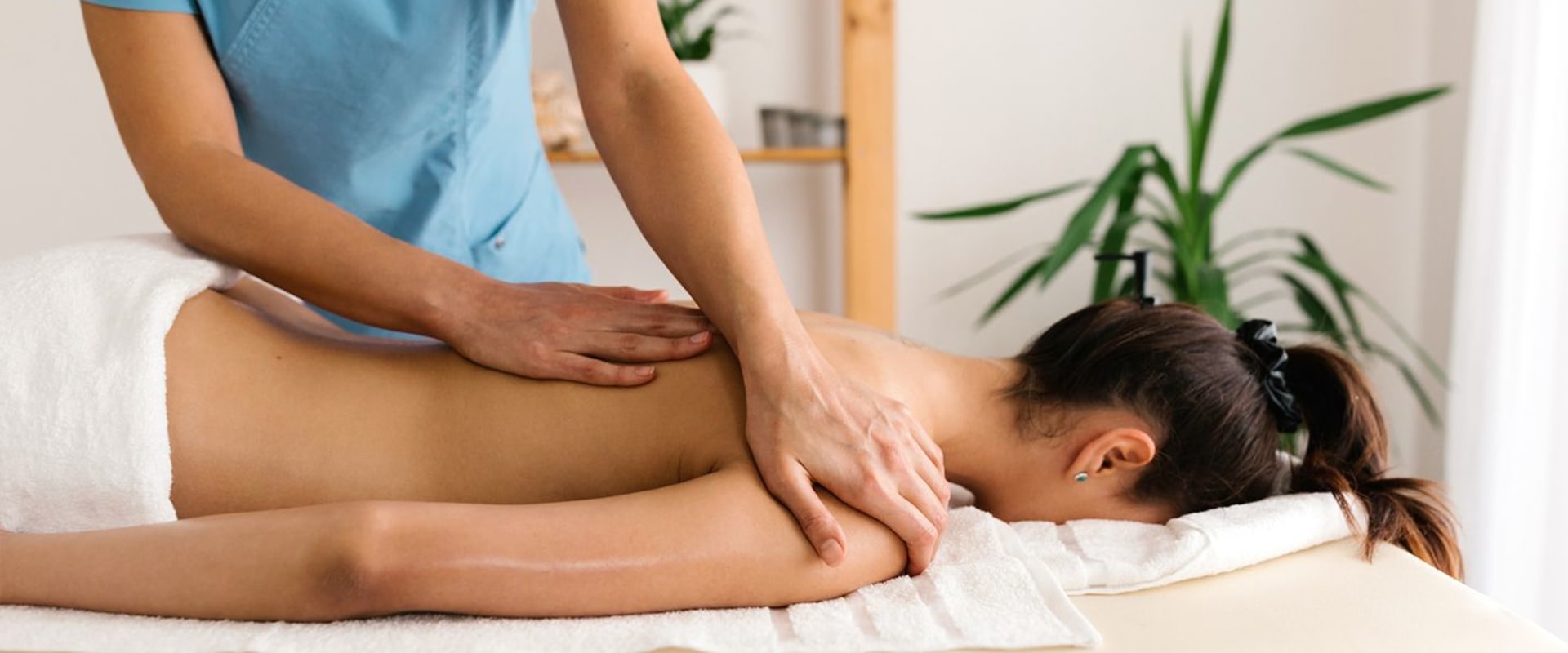
In today's fast-paced world, the importance of massage and body treatments cannot be overstated. These therapeutic practices offer a sanctuary from the daily grind, providing not only relaxation but also a pathway to healing and rejuvenation. As stress levels rise and physical ailments become more common, understanding the various types of massages available and their specific benefits is essential for anyone seeking to enhance their overall well-being.Massage therapy encompasses a wide range of techniques, each designed to address different needs and preferences. From the gentle strokes of a Swedish massage to the targeted pressure of deep tissue therapy, there is a style suited for everyone.
The benefits of these treatments extend beyond mere relaxation; they can alleviate chronic pain, improve circulation, and even boost mental clarity. By engaging in regular massage sessions, individuals can experience significant improvements in both physical and emotional health.Moreover, body treatments often complement massage therapy, offering additional avenues for self-care. These treatments may include aromatherapy, hot stone applications, or even specialised techniques like reflexology. Each method serves to enhance the overall experience, allowing clients to tailor their sessions to meet specific needs.
Understanding these options empowers individuals to make informed choices about their health and wellness journey.As we delve deeper into the world of massage and body treatments, it becomes clear that these practices are not merely indulgent luxuries but vital components of a holistic approach to health. Whether you are seeking relief from tension or simply wish to unwind, exploring the diverse landscape of massage therapies can lead you to discover the perfect treatment for your unique needs.
The Benefits of Massage Therapy
Massage therapy offers a multitude of benefits that extend beyond mere relaxation. It serves as a holistic approach to enhancing both physical and mental health, making it a valuable addition to anyone's wellness routine.One of the most significant advantages of massage therapy is its ability to provide stress relief. In today’s fast-paced world, stress has become a common issue that can lead to various health problems.Regular massage sessions can help lower cortisol levels, the hormone associated with stress, while simultaneously increasing serotonin and dopamine, which are linked to feelings of happiness and wellbeing. This biochemical balance can lead to improved mood and a greater sense of calm.In addition to alleviating stress, massage therapy is highly effective for pain management. Whether you suffer from chronic pain conditions such as arthritis or fibromyalgia, or you experience acute pain from injuries or muscle tension, different types of massage can target specific areas of discomfort. For instance:
- Deep tissue massage focuses on realigning deeper layers of muscles and connective tissue, making it ideal for chronic pain relief.
- Sciatic nerve massage can alleviate pain radiating from the lower back down the leg.
- Sports massage is tailored for athletes, helping to prevent injuries and enhance recovery.
Enhanced blood flow not only helps in delivering oxygen and nutrients to muscles but also aids in the removal of metabolic waste products. This can lead to faster recovery times after physical exertion and reduced muscle soreness.Furthermore, regular massage therapy can improve flexibility and range of motion. By loosening tight muscles and connective tissues, it allows for greater mobility, which is particularly beneficial for those who engage in regular physical activity or suffer from stiffness due to sedentary lifestyles.Lastly, the mental health benefits cannot be overlooked. Massage therapy has been shown to reduce symptoms of anxiety and depression.
The nurturing touch involved in massage promotes relaxation and emotional release, creating a safe space for individuals to unwind and reconnect with their bodies.In summary, the benefits of massage therapy are extensive and varied. From stress relief and pain management to improved circulation and enhanced mental wellbeing, incorporating regular massage into your self-care routine can significantly contribute to your overall health.
Types of Massage Therapy Services
When it comes to massage therapy, understanding the various types available can significantly enhance your experience and outcomes. Each type of massage offers unique techniques and benefits, catering to different needs and preferences. Below, we explore some of the most popular types of massage therapy services.Swedish Massage
Swedish massage is often regarded as the quintessential form of massage therapy.It employs a combination of long, flowing strokes, kneading, and circular movements to promote relaxation and improve circulation. This type of massage is particularly beneficial for those seeking to alleviate stress and tension in their bodies. The gentle nature of Swedish massage makes it suitable for individuals new to massage therapy or those looking for a soothing experience.
Deep Tissue Massage
For those dealing with chronic pain or muscle tension, deep tissue massage may be the ideal choice. This technique focuses on realigning deeper layers of muscles and connective tissue.By applying firm pressure and slow strokes, deep tissue massage targets specific areas of discomfort, helping to release tightness and improve mobility. While it can be more intense than Swedish massage, many find it essential for addressing persistent pain issues.
Sports Massage
Designed specifically for athletes, sports massage combines various techniques to enhance performance and aid recovery. This type of massage focuses on areas of the body that are overused or stressed from repetitive movements. Whether you are preparing for a competition or recovering from an injury, sports massage can help improve flexibility, reduce muscle soreness, and prevent injuries.It often incorporates elements from both Swedish and deep tissue massages, tailored to the athlete's specific needs.
Other Types of Massage
- Hot Stone Massage: Utilises heated stones placed on key points of the body to relax muscles and enhance circulation.
- Shiatsu Massage: A Japanese technique that uses finger pressure on specific points to promote energy flow and relieve tension.
- Prenatal Massage: Tailored for expectant mothers, this type focuses on alleviating discomfort associated with pregnancy.
- Thai Massage: Combines acupressure and stretching techniques to improve flexibility and relieve tension.
Choosing the Right Massage for Your Needs
Choosing the right massage therapy can significantly enhance your overall experience and ensure that you receive the benefits you seek. To make an informed decision, it’s essential to assess your personal needs and preferences.Here are some key factors to consider when selecting a massage type and therapist:
1.Identify Your Goals
Begin by determining what you hope to achieve from your massage. Are you looking to relieve stress, alleviate chronic pain, or simply indulge in relaxation? Understanding your primary goals will help narrow down the types of massages that may be most beneficial for you. For instance:- Stress Relief: Consider a Swedish or aromatherapy massage for relaxation.
- Pain Management: Deep tissue or sports massage may be more appropriate for addressing specific pain points.
- Flexibility Improvement: Thai massage can enhance your range of motion through stretching techniques.
2.Assess Your Physical Condition
Your current physical condition plays a crucial role in determining the right type of massage. If you have any medical conditions, injuries, or sensitivities, it’s vital to communicate these to your therapist.Some massages may not be suitable for certain conditions, so consider the following:
- Chronic Pain: Deep tissue or myofascial release may be beneficial.
- Pregnancy: Opt for prenatal massage designed specifically for expectant mothers.
- Muscle Tension: Hot stone or trigger point therapy can help relieve tightness.
3.Research and Select a Qualified Therapist
The expertise of your massage therapist is paramount in ensuring a safe and effective treatment. Look for therapists who are licensed and have experience in the specific type of massage you are interested in. Here are some tips for selecting a qualified professional:- Check Credentials: Verify their qualifications and any special training they may have.
- Read Reviews: Look for testimonials from previous clients to gauge their satisfaction.
- Ask Questions: Don’t hesitate to inquire about their experience with your specific needs.
4.Consider Your Comfort Level
Your comfort during a massage is essential for relaxation and effectiveness. Think about factors such as:- Pressure Preference: Do you prefer light, moderate, or deep pressure?
- Aromatherapy: Would you like to incorporate scents into your experience?
- Environment: Ensure the setting is calming and conducive to relaxation.
Remember that communication with your therapist is key; they can tailor the session to suit your individual requirements, ensuring a fulfilling experience.
Finding a Qualified Massage Therapist
Choosing the right massage therapist is crucial for ensuring a positive and effective experience. With the growing popularity of massage and body treatments, it’s essential to know how to identify a qualified professional who can meet your specific needs.Qualifications for Massage Therapists
- Licensing and Certification: In many regions, massage therapists are required to hold a valid license or certification from a recognised body. This ensures they have undergone the necessary training and adhere to industry standards. Always ask to see their credentials before booking a session.
- Education: A qualified therapist typically has completed a comprehensive training program, which may include anatomy, physiology, and various massage techniques.
Look for therapists who have graduated from accredited schools or programs.
- Specialisations: Depending on your needs, you may want to find a therapist who specialises in certain types of massage, such as deep tissue, sports massage, or prenatal massage. Inquire about their areas of expertise to ensure they can address your specific concerns.
Safety Considerations
- Consultation: A reputable therapist will conduct an initial consultation to discuss your health history, any medical conditions, and specific areas of concern. This dialogue is vital for tailoring the treatment to your needs.
- Hygiene Practices: Ensure that the therapist follows strict hygiene protocols. The treatment environment should be clean, and all equipment should be sanitised between clients.
This is particularly important in preventing the spread of infections.
- Comfort Level: Your comfort is paramount during a massage session. Communicate openly with your therapist about any discomfort or pain you experience during the treatment. A good therapist will adjust their techniques accordingly.
Cost and Insurance Coverage for Massage Therapy Services
Understanding the cost of massage therapy is essential for anyone considering these treatments. Prices can vary significantly based on several factors, including the type of massage, the duration of the session, and the therapist's experience.On average, a standard one-hour massage session can range from £40 to £80. However, more specialised treatments or longer sessions may cost upwards of £100.Here’s a breakdown of typical costs associated with various types of massages:
- Swedish Massage: Generally priced between £50 and £70 for a one-hour session.
- Deep Tissue Massage: This can range from £60 to £90, depending on the therapist's expertise.
- Hot Stone Massage: Expect to pay around £70 to £100 due to the additional materials used.
- Prenatal Massage: Typically costs between £50 and £80, tailored specifically for expectant mothers.
- Spa Packages: These often include multiple treatments and can range from £100 to over £200.
Many health insurance plans are beginning to recognise the benefits of massage therapy as part of holistic healthcare. However, coverage can vary widely:
- Medical Necessity: Some plans may cover therapeutic massages if prescribed by a doctor for specific conditions such as chronic pain or rehabilitation.
- Documentation: Be prepared to provide documentation or a referral from your healthcare provider when seeking reimbursement.
- Out-of-Pocket Costs: If your insurance does not cover massage therapy, consider setting aside a monthly budget specifically for these treatments.
Spa Massage vs. Therapeutic Massage: What’s the Difference?
When it comes to choosing a massage, understanding the distinction between spa massage and therapeutic massage is crucial.Each type serves different purposes and employs unique techniques, making them suitable for varying needs and preferences.
Understanding Spa Massage
A spa massage is primarily designed for relaxation and indulgence. It typically incorporates gentle techniques aimed at soothing the body and mind. Common methods used in spa massages include:- Swedish Massage: Utilises long, flowing strokes to promote relaxation and improve circulation.
- Aromatherapy Massage: Combines essential oils with massage techniques to enhance relaxation and emotional wellbeing.
- Hot Stone Massage: Involves heated stones placed on specific points of the body to relieve tension and enhance relaxation.
The Nature of Therapeutic Massage
In contrast, therapeutic massage focuses on addressing specific physical issues or discomfort. This type of massage employs deeper pressure and targeted techniques to alleviate pain, improve mobility, and treat injuries.Key types of therapeutic massage include:
- Deep Tissue Massage: Targets deeper layers of muscle and connective tissue to relieve chronic pain and tension.
- Sports Massage: Designed for athletes, this type helps prevent injuries and enhances performance through focused techniques.
- Trigger Point Therapy: Involves applying pressure to specific points in the muscle to relieve pain and tension.
When to Choose Each Type
Your choice between spa and therapeutic massage should depend on your individual needs:- If you seek a peaceful escape from daily stressors or simply want to pamper yourself, a spa massage is ideal.
- If you are dealing with chronic pain, recovering from an injury, or require targeted relief for muscle tension, opt for a therapeutic massage.
Specialty Massages: Tailored Treatments for Unique Needs
Specialty massages are designed to cater to specific needs and conditions, providing targeted relief and support for various groups. These tailored treatments can significantly enhance wellbeing by addressing unique physical and emotional challenges.Prenatal Massage
Prenatal massage is specifically crafted for expectant mothers, focusing on alleviating the discomforts associated with pregnancy. As the body undergoes significant changes, many women experience back pain, swelling, and muscle tension. A trained prenatal massage therapist uses gentle techniques to improve circulation, reduce swelling, and relieve tension in the lower back and hips.This type of massage not only promotes relaxation but also helps in reducing anxiety and improving sleep quality, making it an invaluable part of prenatal care.
Sports Massage
For athletes or those engaged in regular physical activity, sports massage is an essential tool for enhancing performance and preventing injuries. This type of massage focuses on specific muscle groups that are overused during training or competition. Techniques may include deep tissue work, stretching, and trigger point therapy to release tension and improve flexibility. Regular sports massage can aid in recovery after intense workouts, reduce muscle soreness, and enhance overall athletic performance.Reflexology
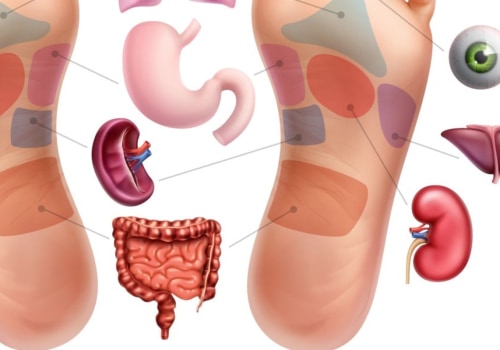
Reflexology is a unique form of bodywork that targets specific pressure points on the feet, hands, or ears, corresponding to different organs and systems in the body.By applying pressure to these reflex points, practitioners aim to promote healing and balance throughout the body. Reflexology can be particularly beneficial for relieving stress, improving circulation, and alleviating pain. Many individuals find that this holistic approach not only addresses physical ailments but also enhances their overall sense of wellbeing.In conclusion, specialty massages offer tailored solutions for various needs, whether it’s supporting pregnant women through their journey, helping athletes recover and perform better, or providing a holistic approach through reflexology. By understanding these unique treatments, individuals can make informed choices that align with their specific health goals.
Frequently Asked Questions About Massage Therapy
Massage therapy is often surrounded by questions and misconceptions that can deter individuals from seeking its benefits.Below, we address some of the most frequently asked questions about massage therapy to help clarify any doubts you may have.
What are the main benefits of massage therapy?
Massage therapy offers a multitude of benefits, including:- Stress Reduction: Regular massage can significantly lower stress levels, promoting relaxation and mental clarity.
- Pain Relief: It is effective in alleviating chronic pain conditions such as back pain, arthritis, and migraines.
- Improved Circulation: Massage enhances blood flow, which can aid in recovery from injuries and improve overall health.
- Enhanced Flexibility: By loosening tight muscles and connective tissues, massage can improve your range of motion.
- Emotional Wellbeing: Many people report feeling more balanced and emotionally stable after receiving massage therapy.
Is massage therapy only for relaxation?
No, while many people seek massage for relaxation, it also serves therapeutic purposes. Different types of massages target specific issues such as muscle tension, injury recovery, or chronic pain management. For instance, deep tissue massage focuses on realigning deeper layers of muscles and connective tissue, making it ideal for those with chronic pain.Are there any risks associated with massage therapy?
Massage therapy is generally safe for most individuals; however, certain conditions may require caution. It is advisable to consult with a healthcare provider if you have:- Severe osteoporosis
- Blood clotting disorders
- Recent surgeries or injuries
- Certain skin conditions
Can I talk during my massage?
You are encouraged to communicate with your therapist throughout the session.Whether you prefer silence or wish to discuss your comfort levels and any areas of concern, open communication ensures a more effective treatment experience.
What should I expect during my first massage?
Your first visit will typically involve a consultation where the therapist will ask about your health history and specific needs. You will then be guided to a private room where you can relax. The therapist will explain the process and ensure your comfort before beginning the session.By addressing these common questions and misconceptions about massage and body treatments, we hope to empower you to make informed decisions regarding your wellness journey. Remember that each individual's experience may vary, so it's essential to find a therapist who understands your unique needs.Conclusion: Making an Informed Choice About Your Massage Experience
In conclusion, selecting the right massage therapy is a personal journey that requires careful consideration of your individual needs and preferences.Throughout this article, we have explored various types of massage and body treatments, each offering unique benefits tailored to different physical and emotional requirements. Understanding these differences is crucial in making an informed choice that aligns with your wellness goals.As you reflect on the information presented, consider the following key points:
- Identify Your Needs: Assess what you hope to achieve from your massage experience. Are you seeking relaxation, pain relief, or perhaps a combination of both? Knowing your objectives will guide you in selecting the most suitable type of massage.
- Research Different Techniques: Familiarise yourself with various massage styles such as Swedish, deep tissue, or sports massage. Each technique has its own approach and benefits, so understanding these can help you make a more informed decision.
- Consult with Professionals: Don’t hesitate to reach out to qualified massage therapists.
They can provide insights into which treatments may be most effective for your specific conditions or concerns.
- Consider Your Comfort: Ensure that the environment and therapist you choose make you feel comfortable and safe. A positive atmosphere can significantly enhance your overall experience.
- Evaluate Cost and Insurance Options: Be aware of the financial aspects involved in your choice. Check if your insurance covers any part of the treatment and explore package deals or discounts that may be available.
Remember, investing in yourself through massage and body treatments is a step towards a healthier, more balanced life.