Headaches and migraines are common ailments that affect millions of people worldwide, yet their complexity often goes unrecognised. Understanding the different types of headaches and migraines, along with their symptoms and underlying causes, is essential for anyone seeking effective relief. Headaches can be broadly categorised into two main types: primary and secondary headaches. Primary headaches, such as tension-type headaches and migraines, occur independently and are not caused by another medical condition.
In contrast, secondary headaches are symptoms of an underlying issue, such as sinus infections or high blood pressure.Migraines, in particular, are a debilitating form of headache characterised by intense throbbing pain, often accompanied by nausea, vomiting, and sensitivity to light and sound. They can last from a few hours to several days and may be preceded by warning signs known as aura, which can include visual disturbances or tingling sensations. Understanding these symptoms is crucial for recognising when a migraine is approaching and seeking timely intervention.The causes of headaches and migraines are multifaceted and can vary significantly from person to person. Common triggers include stress, hormonal changes, certain foods, dehydration, and lack of sleep.
Additionally, environmental factors such as bright lights or strong smells can also provoke headaches. By identifying personal triggers, individuals can take proactive steps to manage their condition more effectively.Recognising the types of headaches and their symptoms not only helps in understanding the condition but also highlights the importance of exploring various treatment options. Among these options, massage and body treatments have emerged as a promising solution for alleviating headache pain and reducing the frequency of migraine attacks. By addressing muscle tension and promoting relaxation, massage therapy can play a vital role in managing these common yet often debilitating conditions.
The Role of Massage Therapy in Pain Relief
Massage therapy plays a crucial role in alleviating pain associated with headaches and migraines by addressing the underlying physiological factors that contribute to discomfort.Understanding how massage works can help individuals appreciate its benefits and incorporate it into their pain management strategies.One of the primary ways massage therapy aids in pain relief is through muscle relaxation. Tension in the neck, shoulders, and upper back is often a significant contributor to headache pain. By applying various techniques such as kneading, stroking, and applying pressure, massage therapists can effectively release tight muscles, allowing for greater flexibility and reduced discomfort. This relaxation not only alleviates immediate pain but also helps prevent future headaches by addressing muscle tightness before it escalates.In addition to muscle relaxation, massage therapy significantly improves circulation.
Enhanced blood flow to the head and neck area can help deliver essential nutrients and oxygen while removing metabolic waste products that may contribute to pain. Improved circulation can also reduce inflammation, which is often a key factor in headache and migraine development. By promoting better blood flow, massage therapy can help mitigate the severity and frequency of headache episodes.
Stress reduction
is another vital aspect of how massage therapy contributes to pain relief. Chronic stress is known to trigger tension headaches and migraines, making it essential to manage stress levels effectively.
Massage promotes relaxation by stimulating the parasympathetic nervous system, which helps lower cortisol levels—the hormone associated with stress. As stress diminishes, so does the likelihood of experiencing tension-related headaches.Furthermore, massage therapy can enhance overall well-being by promoting a sense of calm and relaxation. This holistic approach not only addresses physical symptoms but also supports mental health, which is crucial for those suffering from chronic headaches or migraines. Regular sessions can lead to long-term benefits, including improved mood and reduced anxiety levels.In summary, the role of massage therapy in pain relief extends beyond mere muscle manipulation.
By facilitating muscle relaxation, improving circulation, and reducing stress, massage therapy offers a comprehensive approach to managing headaches and migraines effectively. Incorporating this therapeutic practice into your routine can lead to significant improvements in both physical comfort and overall quality of life.
Types of Massage Techniques for Headache Relief
When it comes to alleviating headaches and migraines, various massage techniques can be employed to target specific areas of tension and discomfort. Each technique offers unique benefits, making it essential to understand which methods may work best for your individual needs.Swedish Massage
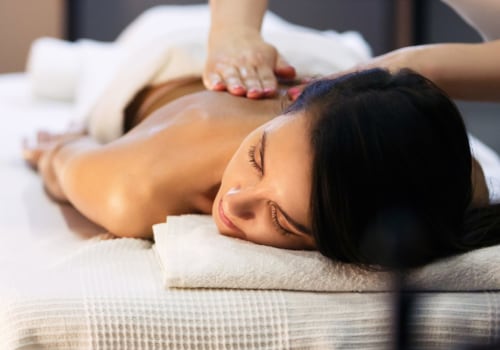
Swedish massage is one of the most popular forms of massage therapy, known for its gentle and relaxing approach. This technique involves long, flowing strokes, kneading, and circular movements on the topmost layer of muscles.The primary goal of Swedish massage is to promote relaxation and improve circulation, which can be particularly beneficial for those suffering from tension headaches. By easing muscle tension in the neck and shoulders, Swedish massage can help reduce the frequency and intensity of headaches.
Deep Tissue Massage
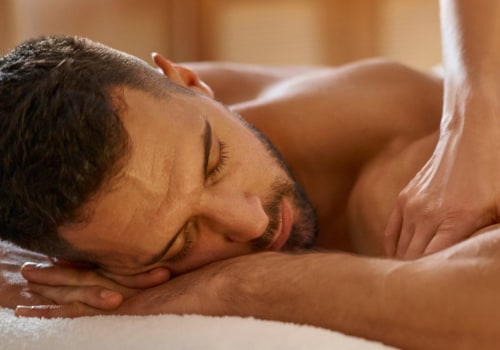
For individuals experiencing chronic headaches or migraines, deep tissue massage may be a more effective option. This technique focuses on the deeper layers of muscle and connective tissue, using slower strokes and more intense pressure. Deep tissue massage targets specific areas of tightness and pain, often found in the neck, shoulders, and upper back.By breaking down adhesions and relieving muscle tension, this method can significantly alleviate headache symptoms.
Trigger Point Therapy
Trigger point therapy is another highly effective technique for headache relief. This method involves identifying and applying pressure to specific points in the muscles that are hyperirritable or tense—known as trigger points. These points can refer pain to other areas of the body, including the head. By releasing these trigger points through sustained pressure or massage techniques, individuals can experience significant relief from headache pain.Other Techniques
- Acupressure: This technique applies pressure to specific points on the body to relieve pain and promote relaxation.
- Hot Stone Massage: Using heated stones can help relax tight muscles and improve blood flow, providing relief from headache symptoms.
- Aromatherapy Massage: Incorporating essential oils during a massage can enhance relaxation and reduce stress levels, further alleviating headache pain.
Whether you prefer the gentle touch of Swedish massage or the targeted approach of trigger point therapy, finding the right method for you is key to managing your symptoms effectively.
Benefits Beyond Pain Relief: Holistic Health Advantages of Massage
While the primary focus of massage therapy often revolves around alleviating physical discomfort, its benefits extend far beyond mere pain relief. Regular massage sessions can significantly enhance holistic health , addressing both the body and mind in a comprehensive manner.One of the most notable advantages of massage therapy is its positive impact on mental health. The soothing nature of massage promotes relaxation, which can help to alleviate symptoms of anxiety and depression. By reducing levels of the stress hormone cortisol, massage therapy encourages a state of calmness and tranquillity.This reduction in stress not only helps to improve mood but also fosters a greater sense of emotional well-being.Moreover, the physical touch involved in massage can stimulate the release of endorphins, the body's natural mood lifters. This biochemical response can lead to improved feelings of happiness and contentment, making massage an effective tool for those struggling with mental health issues.In addition to its mental health benefits, massage therapy plays a crucial role in enhancing sleep quality. Many individuals suffering from headaches and migraines also experience sleep disturbances. Regular massage can help to promote deeper, more restorative sleep by relaxing the body and mind.
The calming effects of massage can reduce insomnia symptoms, allowing for a more restful night’s sleep.Furthermore, improved sleep quality contributes to overall wellness. When individuals are well-rested, they are better equipped to handle daily stressors, maintain focus, and engage in healthy lifestyle choices. This cycle of improved sleep and enhanced well-being creates a positive feedback loop that can lead to long-term health benefits.Lastly, regular massage therapy encourages a holistic approach to overall wellness. It fosters a deeper connection between the mind and body, promoting self-awareness and mindfulness.
This heightened awareness can lead individuals to make healthier choices in their daily lives, such as engaging in regular physical activity, eating nutritious foods, and prioritising self-care practices.In conclusion, the holistic health advantages of massage therapy are profound. Beyond alleviating headaches and migraines, it offers significant benefits for mental health, enhances sleep quality, and promotes overall wellness. Incorporating regular massage into your routine can be a transformative step towards achieving a balanced and healthy lifestyle.
Incorporating Massage into Your Wellness Routine
Incorporating massage therapy into your wellness routine can significantly enhance your overall health and well-being. To reap the full benefits, it’s essential to establish a consistent practice that fits seamlessly into your lifestyle.Frequency of Massage Sessions
The frequency of your massage sessions can vary based on individual needs and preferences.
For those experiencing chronic headaches or migraines, it is often recommended to start with weekly sessions. This regularity allows for the gradual release of tension and stress, which can be pivotal in managing pain effectively.As you begin to notice improvements, you may choose to reduce the frequency to bi-weekly or monthly sessions. However, it’s crucial to listen to your body; if you find that tension or pain returns, consider increasing the frequency again. Additionally, during particularly stressful periods or after intense physical activity, an extra session may be beneficial.
Self-Massage Techniques
In addition to professional massage therapy, incorporating self-massage techniques into your daily routine can provide immediate relief and help maintain the benefits of your sessions.
Here are a few simple techniques you can try at home:
- Neck and Shoulder Massage: Use your fingers to apply gentle pressure to the base of your skull and along the shoulders. Circular motions can help alleviate tension.
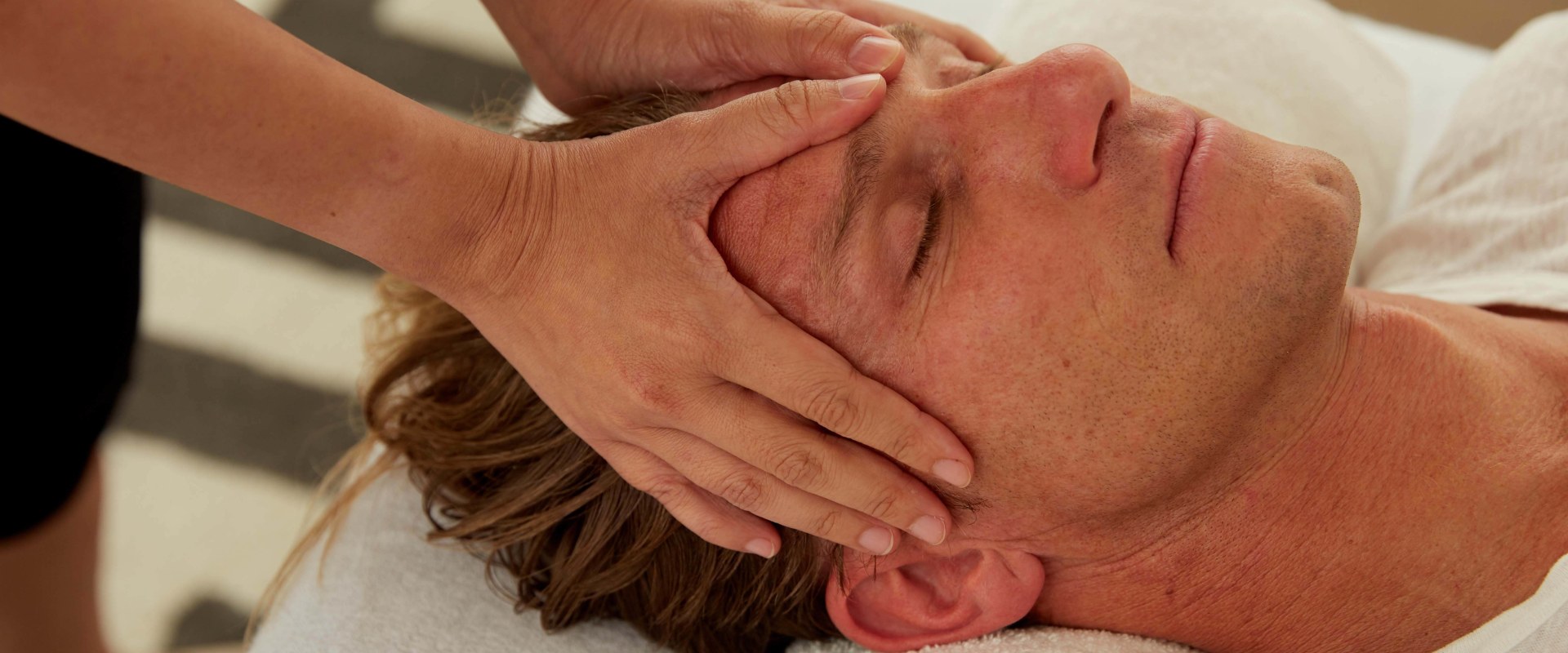
- Temples and Forehead: Using your fingertips, apply light pressure in circular motions on your temples and across your forehead. This technique can be particularly effective during a headache.
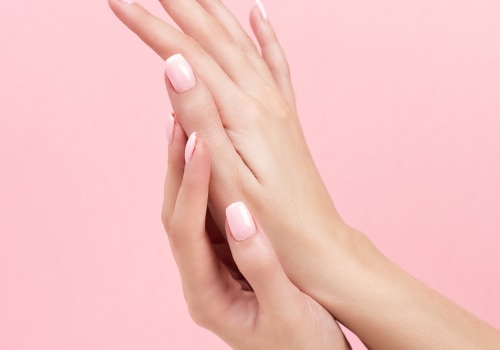
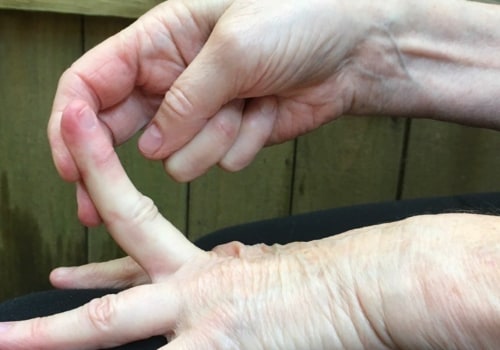
- Hand Massage: Squeeze and knead each finger and the palm of your hand. This can help relieve tension that accumulates from typing or gripping objects.
- Foot Massage: Roll a tennis ball under your foot while seated.
This not only relaxes the feet but also stimulates pressure points that can affect headache relief.
When to Seek Professional Help: Recognising Serious Conditions
While many headaches and migraines can be managed with home remedies and massage therapy, there are instances when seeking professional medical help is crucial. Recognising the signs of serious conditions is essential for ensuring your health and well-being.When to See a Doctor for Headaches
If you experience any of the following symptoms, it is important to consult a healthcare professional:
- Sudden Onset: A headache that comes on suddenly and intensely, often described as a "thunderclap headache," may indicate a serious condition such as a brain aneurysm or stroke.
- Persistent Pain: If your headache lasts for an extended period or becomes increasingly severe over time, it is advisable to seek medical attention.
- Neurological Symptoms: Symptoms such as confusion, difficulty speaking, vision changes, or weakness in the limbs accompanying a headache should not be ignored.
- Fever and Stiff Neck: A headache accompanied by fever and a stiff neck could signal meningitis, an infection that requires immediate treatment.
- Head Injury: If you have sustained a head injury and develop a headache, it is essential to get evaluated for potential concussions or other serious injuries.
- Medication Overuse: Frequent use of pain relief medications can lead to rebound headaches. If you find yourself relying on medication more than twice a week, consult your doctor.
Serious Headache Symptoms
In addition to the above signs, certain characteristics of headaches can indicate more serious underlying issues:
- Unusual Patterns: Changes in the frequency or intensity of your headaches can be a red flag.
For instance, if you have previously experienced mild tension headaches but suddenly develop severe migraines, this warrants investigation.
- Age Considerations: New headaches that begin after the age of 40 should be evaluated by a healthcare professional to rule out any serious conditions.
- Accompanying Symptoms: If your headache is accompanied by nausea, vomiting, or visual disturbances that are not typical for you, it is advisable to seek medical advice.
Professional Massage Therapy Advice
If you are considering massage therapy as part of your headache management plan, it is wise to consult with a qualified massage therapist who understands your specific needs. They can tailor treatments to address tension in the neck and shoulders while also considering any underlying health issues. Always inform your therapist about any serious symptoms or medical conditions you may have before beginning treatment.In conclusion, while massage therapy can be an effective tool for managing headaches and migraines, recognising when to seek professional help is vital. By being aware of serious symptoms and understanding when to consult healthcare professionals, you can ensure that you receive the appropriate care for your condition.
Frequently Asked Questions About Massage Therapy and Headaches
Massage therapy is often sought after for its potential to alleviate headaches and migraines, but many people have questions about its effectiveness and application.Below are some frequently asked questions that can help clarify the role of massage therapy in managing headache-related discomfort.
What types of headaches can massage therapy help with?
Massage therapy can be beneficial for various types of headaches, including:- Tension headaches: These are often caused by muscle tension in the neck and shoulders, which massage can effectively relieve.
- Migraine headaches: While not a cure, massage may help reduce the frequency and intensity of migraine attacks for some individuals.
- Cervicogenic headaches: Originating from issues in the cervical spine, these headaches can be alleviated through targeted massage techniques.
How does massage therapy work to relieve headaches?
Massage therapy works by:- Reducing muscle tension: By applying pressure to tight muscles, massage helps to release built-up tension that may contribute to headache pain.
- Improving circulation: Enhanced blood flow to the head and neck can alleviate pain and promote healing.
- Stimulating endorphin release: The body’s natural painkillers, endorphins, are released during massage, which can help diminish pain sensations.
How often should I get a massage for headache relief?
The frequency of massage therapy sessions can vary based on individual needs. However, many practitioners recommend:- Weekly sessions: For those experiencing chronic headaches or migraines, weekly massages may provide significant relief.
- Bi-weekly or monthly sessions: For occasional headache sufferers, regular sessions every two to four weeks may be sufficient to maintain relief.
Are there any risks associated with massage therapy for headaches?
While generally safe, some individuals may experience discomfort or exacerbation of symptoms after a session. It is essential to communicate openly with your therapist about your headache history and any specific areas of concern. Always consult with a healthcare professional if you have underlying health conditions or if your headaches persist despite treatment.In summary, massage therapy offers a promising avenue for those seeking relief from headaches and migraines.By addressing muscle tension, improving circulation, and promoting relaxation, it can play a vital role in headache management.
Conclusion: Embracing Massage Therapy for Headache Management
In summary, the integration of massage therapy into your routine can serve as a powerful ally in the battle against headaches and migraines. Throughout this article, we have explored the multifaceted benefits that massage offers, highlighting its ability to alleviate pain, reduce tension, and promote overall well-being.One of the most significant advantages of massage therapy is its capacity to target the underlying causes of headaches. By focusing on muscle tension in the neck and shoulders, massage can effectively relieve the tightness that often contributes to headache onset. Furthermore, improved circulation resulting from massage not only enhances blood flow to the head and neck but also aids in reducing inflammation, a common trigger for migraine attacks.Additionally, the relaxation response induced by massage therapy cannot be overstated.In our fast-paced lives, stress is a prevalent factor that exacerbates headache conditions. Regular massage sessions can help mitigate stress levels, fostering a sense of calm and tranquillity that is essential for headache management.Moreover, the release of endorphins during massage provides a natural pain-relieving effect. These hormones not only help block pain signals but also elevate mood, creating a holistic approach to managing both physical discomfort and emotional well-being.Incorporating massage and body treatments into your health regimen can lead to long-term benefits. It is essential to view massage therapy not merely as a luxury but as a vital component of a comprehensive strategy for headache management.
Whether you choose to visit a professional therapist or learn self-massage techniques at home, the key is consistency.Ultimately, embracing massage therapy can empower you to take control of your health. By prioritising this practice, you are investing in your physical and mental wellness, paving the way for a life with fewer headaches and greater overall vitality.