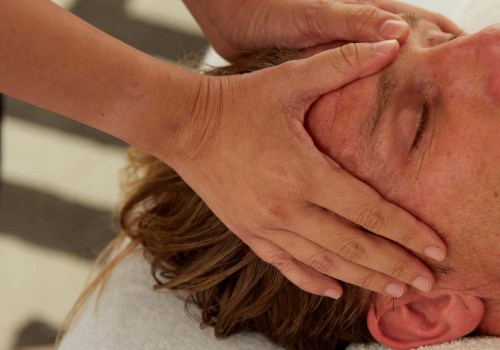
Choosing the right massage therapist is a crucial step in ensuring that your experience with massage and body treatments is both effective and enjoyable. The qualifications and experience of a therapist can significantly influence the outcomes of your sessions, impacting not only your physical well-being but also your mental and emotional state. A qualified therapist brings a wealth of knowledge about various techniques, anatomy, and the specific needs of their clients, which can lead to a more tailored and beneficial treatment plan.When you engage in massage therapy, you are not just seeking relaxation; you are often looking to address specific issues such as chronic pain, stress relief, or rehabilitation from injuries. A skilled therapist will be able to assess your individual needs and apply the appropriate techniques to help you achieve your goals.
This level of expertise is essential for maximising the benefits of your treatment, as an unqualified or inexperienced therapist may not fully understand how to address your concerns effectively.Moreover, the relationship between you and your massage therapist plays a significant role in the overall experience. Feeling comfortable and safe during your sessions can enhance relaxation and allow for deeper therapeutic benefits. A qualified therapist will not only possess the technical skills required but will also be adept at creating a welcoming environment where you feel heard and understood. This connection can lead to improved communication about your needs and preferences, further enhancing the effectiveness of your treatments.In summary, investing time in selecting a qualified massage therapist is essential for ensuring that you receive the best possible care.
The right professional can make a profound difference in your journey towards wellness, helping you unlock the full potential of massage and body treatments. By prioritising this choice, you are taking an important step towards achieving lasting health benefits and an overall enhanced quality of life.
Key Qualifications to Look for in a Massage Therapist
When seeking a massage therapist, understanding their qualifications is crucial for ensuring a safe and effective treatment experience. Here are some key qualifications and certifications to look for:- Formal Education: A reputable massage therapist should have completed a formal education program in massage therapy. This typically involves a diploma or degree from an accredited institution, covering essential topics such as anatomy, physiology, and various massage techniques.
- Licensing and Certification: In many regions, massage therapists are required to hold a valid license to practice.
This often necessitates passing a national or state examination. Look for certifications from recognised bodies, such as the Federation of Holistic Therapists (FHT) or the Complementary and Natural Healthcare Council (CNHC), which indicate adherence to professional standards.
- Specialisations: Depending on your specific needs, it may be beneficial to find a therapist who specialises in certain types of massage or body treatments. For instance, if you are seeking relief from sports injuries, look for someone with expertise in sports massage. Similarly, if you require relaxation techniques, a therapist trained in Swedish or aromatherapy massage may be ideal.
- Continuing Education: The field of massage therapy is continually evolving, with new techniques and research emerging regularly.
A dedicated therapist will engage in ongoing education to stay updated on the latest practices. Ask about their commitment to professional development and any recent courses they have completed.
- Insurance Coverage: It is essential that your massage therapist carries professional liability insurance. This not only protects them but also provides you with peace of mind during your treatment sessions.
Experience Matters: How to Assess a Therapist's Background
When seeking a massage therapist, understanding their experience is paramount.A therapist's background can significantly influence the effectiveness of your treatment, as it often determines their ability to tailor sessions to meet your specific needs. Here are some key factors to consider when assessing a therapist's experience.
Years in Practice
The number of years a therapist has been practicing can provide insight into their level of expertise. Generally, therapists with more years in the field have encountered a wider variety of conditions and client needs, which can enhance their ability to provide effective treatments. When inquiring about their experience, consider asking:
- How long have you been practicing massage therapy?
- What types of clients do you typically work with?
Areas of Specialization
Massage therapy encompasses various techniques and specialisations, from deep tissue and sports massage to aromatherapy and reflexology.
Understanding a therapist's areas of expertise is crucial for ensuring they can address your specific concerns. For instance, if you suffer from chronic back pain, a therapist who specializes in deep tissue massage may be more beneficial than one who focuses primarily on relaxation techniques. Consider asking:
- What types of massage do you specialise in?
- Do you have experience working with specific conditions or injuries?
Continuing Education
The field of massage therapy is continually evolving, with new techniques and research emerging regularly. A commitment to ongoing education indicates that a therapist is dedicated to staying current with industry standards and practices.
You might ask:
- How often do you participate in continuing education or training?
- Have you completed any recent workshops or courses related to massage therapy?
Client Feedback and References
Finally, client feedback can provide valuable insights into a therapist's effectiveness and approach. Positive testimonials or references from previous clients can help you gauge whether the therapist's style aligns with your expectations. Don't hesitate to ask for references or check online reviews to get a sense of their reputation.In summary, evaluating a massage therapist's experience involves looking at their years in practice, areas of specialization, commitment to ongoing education, and client feedback. By taking the time to assess these factors, you can ensure that you choose a qualified professional who can provide tailored treatments that meet your individual needs.
Essential Questions to Ask Your Massage Therapist
When seeking a massage therapist, it is crucial to ask the right questions to ensure you are making an informed choice.Here’s a comprehensive list of essential questions that can help you gauge the qualifications and experience of potential therapists:
- What is your educational background in massage therapy? Understanding where your therapist trained can provide insight into their foundational knowledge and skills. Look for accredited institutions or programs that are recognised in the industry.
- How many years have you been practising? Experience can significantly impact the quality of care you receive. A therapist with several years of practice may have encountered a variety of conditions and developed a more refined skill set.
- What specific certifications do you hold? Inquire about any additional certifications beyond basic training. Specialisations in areas such as sports massage, deep tissue, or prenatal massage can indicate a broader skill set.
- Can you describe your approach to massage therapy? Each therapist may have a unique style or philosophy regarding treatment.
Understanding their approach can help you determine if it aligns with your expectations and needs.
- What types of massage do you specialise in? Knowing whether they focus on therapeutic, relaxation, or specific techniques can help you find someone who meets your specific requirements.
- Have you completed any continuing education courses? Ongoing education is vital in the ever-evolving field of massage therapy. This question helps assess their commitment to staying updated with the latest techniques and practices.
- Do you have experience working with clients who have similar conditions to mine? If you have specific health concerns or conditions, it’s important to find a therapist who has experience addressing those issues effectively.
- Can you provide references from previous clients? Testimonials or references can offer valuable insights into the therapist's effectiveness and professionalism from the perspective of past clients.
- What is your cancellation policy? Understanding the cancellation policy is essential for managing your schedule and ensuring flexibility if unexpected circumstances arise.
- Are you insured? Confirming that your therapist has professional liability insurance can provide peace of mind regarding safety and accountability during treatments.
Understanding Different Types of Massage and Body Treatments
When exploring the world of massage and body treatments, it’s essential to understand the various types available, as each offers unique benefits tailored to different needs. Here, we delve into some of the most popular forms of massage therapy and body treatments, helping you make an informed choice.Types of Massage Therapy
- Swedish Massage: This is one of the most common types of massage, characterised by long, flowing strokes and gentle kneading.
It promotes relaxation, improves circulation, and alleviates muscle tension.
- Deep Tissue Massage: Aimed at relieving chronic muscle tension, this technique uses deeper pressure and focuses on specific areas. It’s particularly beneficial for those with chronic pain or injuries.
- Sports Massage: Designed for athletes, this type combines techniques from various massage styles to enhance performance and prevent injuries. It can be tailored to pre-event preparation or post-event recovery.
- Hot Stone Massage: In this treatment, heated stones are placed on specific points of the body to relax muscles and improve circulation. The warmth helps to ease tension and promote a sense of calm.
- Aromatherapy Massage: This combines the therapeutic benefits of massage with essential oils.
Each oil has its own properties, such as relaxation or invigoration, enhancing the overall experience.
Body Treatments Explained
In addition to traditional massage therapies, there are various body treatments that can complement your wellness journey:- Body Scrubs: These treatments exfoliate the skin using natural ingredients like sugar or salt. They help remove dead skin cells, leaving your skin feeling smooth and rejuvenated.
- Wraps: Body wraps often involve applying a mixture of ingredients to the skin and then wrapping it in a thermal blanket. This can detoxify the body, hydrate the skin, or aid in weight loss.
- Hydrotherapy: Utilising water for pain relief and treatment, hydrotherapy can include baths, saunas, or steam rooms. It’s excellent for relaxation and improving circulation.
Benefits of Different Massages
The benefits of each type of massage therapy can vary significantly:- Stress Relief: Most massages promote relaxation and reduce stress levels, which can lead to improved mental health.
- Pain Management: Techniques like deep tissue massage are effective in managing chronic pain conditions by targeting specific muscle groups.
- Improved Flexibility: Regular massages can enhance flexibility by loosening tight muscles and improving range of motion.
- Enhanced Circulation: Many forms of massage stimulate blood flow, which can aid in recovery from injuries and improve overall health.
Consulting with a qualified therapist can help you determine which option is best suited for your goals.
The Role of Continuing Education in Massage Therapy
In the ever-evolving field of massage therapy, continuing education plays a pivotal role in ensuring that therapists remain competent and knowledgeable. As new techniques, research, and methodologies emerge, it is essential for practitioners to stay informed and adapt their skills accordingly. This ongoing training not only enhances the therapist's ability to provide effective treatments but also ensures that clients receive the highest standard of care.One of the primary benefits of ongoing education is the opportunity for therapists to learn about the latest advancements in massage techniques and body treatments. For instance, modalities such as myofascial release, trigger point therapy, and deep tissue massage are continually being refined.By participating in workshops, seminars, and courses, therapists can gain insights into these techniques and incorporate them into their practice.Moreover, continuing education allows therapists to deepen their understanding of human anatomy and physiology. This knowledge is crucial for identifying specific client needs and tailoring treatments accordingly. A well-informed therapist can better assess a client's condition, recognise contraindications, and adjust their approach to ensure safety and effectiveness.Additionally, many professional organisations require massage therapists to complete a certain number of continuing education hours to maintain their licensure or certification. This requirement not only promotes accountability but also encourages therapists to engage in lifelong learning.
By committing to ongoing education, therapists demonstrate their dedication to their profession and their clients.Furthermore, staying updated in massage therapy can enhance a therapist's credibility and marketability. Clients are more likely to choose a therapist who actively seeks out new knowledge and skills. This commitment can lead to increased client trust and satisfaction, ultimately resulting in a more successful practice.In conclusion, the importance of continuing education in massage therapy cannot be overstated. It empowers therapists to provide effective treatments that meet the evolving needs of their clients while fostering professional growth and development.
By prioritising ongoing training, massage therapists can ensure they remain at the forefront of their field, delivering exceptional care that promotes overall well-being.
Client Testimonials and References: Why They Matter
When searching for a massage therapist, one of the most effective ways to gauge their credibility and effectiveness is through client testimonials and references. These insights can provide a clearer picture of what to expect from your sessions and help you make an informed decision.Understanding the Importance of Client Testimonials
Client testimonials serve as personal endorsements from individuals who have previously experienced the therapist's services. They can highlight various aspects of the therapist's practice, including:
- Skill Level: Testimonials often reflect the therapist's proficiency in different massage techniques and their ability to address specific issues.
- Professionalism: Feedback can reveal how the therapist conducts themselves, including their punctuality, communication skills, and overall demeanor.
- Environment: Clients may comment on the atmosphere of the therapy space, which can significantly impact your overall experience.
- Results: Many testimonials will discuss the outcomes of treatments, providing insight into how effective the therapist is in alleviating pain or promoting relaxation.
How to Check Therapist Reviews
To ensure you are getting accurate and helpful information, consider the following methods for checking reviews:
- Online Platforms: Websites such as Google Reviews, Yelp, or specific wellness directories often feature client reviews. Look for therapists with a high number of positive reviews.
- Social Media: Many therapists maintain active social media profiles where clients may leave comments or reviews.
This can also give you a sense of their personality and approach.
- Word of Mouth: Ask friends or family members if they have any recommendations or experiences with local therapists. Personal referrals can be incredibly valuable.
- Professional Associations: Check if the therapist is part of any professional organisations that may provide additional credibility and oversight.
The Role of References
If possible, ask your potential therapist for references from previous clients. While not all therapists may be able to provide this due to privacy concerns, those who can offer references demonstrate confidence in their work. Speaking directly with past clients can give you deeper insights into their experiences and satisfaction levels.In conclusion, client testimonials and references are invaluable tools in your search for a qualified massage therapist.
They not only help you assess the therapist's skills and professionalism but also provide reassurance that you are making a well-informed choice for your massage and body treatments.
Addressing Special Conditions: What You Need to Know Before Booking a Session
Before booking a massage session, it is crucial to address any special conditions or health considerations that may affect your treatment. Open communication with your massage therapist about your health history can significantly enhance the effectiveness of your therapy and ensure your safety.Here are some key points to consider:- Medical Conditions: Inform your therapist about any chronic conditions such as heart disease, diabetes, or hypertension. These conditions may require modifications to the massage techniques used or even contraindicate certain types of massage.
- Recent Surgeries or Injuries: If you have undergone surgery or sustained an injury recently, it is essential to discuss this with your therapist. They can adjust their approach to avoid aggravating the affected areas.
- Skin Conditions: Conditions like eczema, psoriasis, or open wounds should be disclosed.
Certain oils and techniques may irritate sensitive skin, so your therapist can choose appropriate products and methods.
- Pregnancy: Pregnant clients should always inform their therapist about their condition. Specific positions and techniques are recommended for pregnant women to ensure comfort and safety.
- Allergies: If you have allergies to specific oils, lotions, or scents, make sure to communicate this beforehand. Your therapist can provide alternatives that will not trigger allergic reactions.
For instance, blood thinners may increase the risk of bruising during deep tissue work.
Contraindications
in massage therapy refer to specific situations where massage should be avoided altogether. These include:
- Fever or Infectious Diseases: If you are experiencing a fever or have a contagious illness, it is best to postpone your session.
- Severe Osteoporosis: This condition can make bones fragile and susceptible to fractures; therefore, gentle techniques are necessary.
- Certain Types of Cancer: While some cancer patients may benefit from massage, others may need to avoid it depending on their treatment plan and current health status.
Conclusion: Making an Informed Choice for Your Massage Therapy Needs
In conclusion, selecting the right massage therapist is a crucial step towards achieving your wellness goals through massage and body treatments. The journey to finding a qualified professional should not be taken lightly, as the effectiveness of your treatment largely depends on the therapist's experience and qualifications.By asking the right questions, you empower yourself to make an informed decision that aligns with your specific needs.Throughout this article, we have highlighted several key questions that can help you gauge a therapist's expertise. Understanding their years of practice, certifications, and specialisations can provide insight into their ability to address your unique concerns. Additionally, inquiring about ongoing education and training ensures that the therapist stays updated with the latest techniques and best practices in the field.Moreover, it is essential to consider the therapist's approach to treatment. A qualified massage therapist will not only focus on the physical aspects of your body but will also take into account your overall well-being.
They should be able to create a tailored treatment plan that considers any underlying health issues or personal preferences you may have.Furthermore, seeking references or reading reviews from previous clients can offer valuable perspectives on the therapist's effectiveness and professionalism. This feedback can be instrumental in helping you feel more confident in your choice.Ultimately, investing time in researching and asking questions about potential massage therapists can lead to a more satisfying and beneficial experience. Remember, a well-informed choice can significantly enhance the quality of your massage therapy, ensuring that you receive not only relaxation but also therapeutic benefits that contribute to your overall health.As you embark on this journey towards improved well-being, keep in mind that the right massage therapist is out there waiting to help you achieve your goals. Take the time to find someone who resonates with you and meets your expectations for a truly transformative experience.