Hot stone massage is a unique and deeply relaxing form of therapy that has roots tracing back thousands of years. This ancient practice, which has been embraced by various cultures around the world, utilises heated stones to enhance the therapeutic effects of traditional massage techniques. The warmth from the stones not only soothes sore muscles but also promotes a profound sense of relaxation, making it a popular choice among those seeking relief from stress and tension.Historically, hot stone therapy can be linked to indigenous cultures in North America and Asia, where heated stones were used in healing rituals. Today, this technique has evolved into a sophisticated treatment offered in spas and wellness centres globally.
The integration of hot stones into massage therapy is not merely for comfort; it serves to amplify the benefits of massage and body treatments by improving circulation, alleviating pain, and enhancing overall well-being.In modern practice, hot stone massage is often combined with various massage techniques, allowing therapists to tailor each session to the individual needs of their clients. The stones, typically made from basalt due to its ability to retain heat, are strategically placed on specific points of the body or used as tools for massage. This method not only helps in releasing muscle tension but also facilitates a deeper connection between the mind and body, promoting holistic healing.As we delve deeper into the world of hot stone massage, we will explore the specific techniques employed by therapists, the myriad benefits this treatment offers, and how it stands out among other body treatments. Whether you are a seasoned spa-goer or new to the concept of hot stone therapy, understanding its principles will enhance your appreciation for this remarkable form of massage.
The Science Behind Hot Stone Massage
Hot stone massage is not merely a luxurious indulgence; it is grounded in scientific principles that explain its effectiveness in promoting relaxation and healing.The primary mechanism at play during a hot stone massage is the application of heat, which has profound physiological effects on the body.When heated stones are placed on the body, they transfer warmth to the underlying muscles and tissues. This heat serves several purposes:
- Muscle Relaxation: The warmth from the stones helps to increase blood flow to the muscles, which can alleviate tension and stiffness. As the muscles relax, they become more pliable, allowing for deeper manipulation by the therapist.
- Improved Circulation: Heat dilates blood vessels, enhancing circulation. This increased blood flow not only delivers more oxygen and nutrients to the tissues but also aids in the removal of metabolic waste products, promoting overall health.
- Pain Relief: The soothing heat can help to reduce pain by interrupting pain signals sent to the brain.
This is particularly beneficial for individuals suffering from chronic pain conditions or muscle soreness.
- Stress Reduction: The combination of heat and massage stimulates the release of endorphins, the body’s natural painkillers and mood elevators. This biochemical response can lead to a significant reduction in stress and anxiety levels.
The warmth of the stones creates a comforting sensation that can promote a sense of safety and relaxation. This emotional response can further enhance the therapeutic effects of the treatment, making it an excellent choice for those seeking both physical relief and mental tranquility.In summary, understanding the science behind hot stone massage reveals its multifaceted benefits. By harnessing the power of heat, this therapy not only relaxes muscles but also improves circulation, alleviates pain, reduces stress, and enhances overall well-being. As more individuals seek holistic approaches to health, hot stone massage stands out as a compelling option within the realm of massage and body treatments.
Techniques Used in Hot Stone Massage
Hot stone massage is a unique therapy that combines the soothing properties of heat with traditional massage techniques.The effectiveness of this treatment largely depends on the various techniques employed by the therapist. Understanding these methods can enhance your experience and help you know what to expect during a session.One of the primary techniques used in hot stone massage is the placement of heated stones on specific areas of the body. This method not only provides warmth but also allows for deeper muscle relaxation. The stones are typically placed along the spine, on the palms, or on other pressure points to facilitate energy flow and promote relaxation.
Types of Strokes
During a hot stone massage, therapists employ a variety of strokes to maximise the benefits of both the heat and the massage.Some common strokes include:
- Long Gliding Strokes: These strokes involve smooth, continuous movements that help to warm up the muscles and promote relaxation. The therapist glides the stones along the body, allowing the heat to penetrate deeply.
- Kneading: This technique mimics traditional massage methods where the therapist uses stones to knead tight muscles. It helps to relieve tension and improve circulation in specific areas.
- Tapping: Light tapping with stones can stimulate circulation and energise the body. This technique is often used on areas that require more focus, such as the shoulders or lower back.
- Circular Movements: By using circular motions with heated stones, therapists can target knots and areas of tension effectively.
This technique is particularly beneficial for relieving stress in larger muscle groups.
Regular checks during the session ensure that clients remain comfortable throughout their experience.Overall, understanding these hot stone massage techniques can help clients appreciate the skill involved in this therapy. Each stroke and method is designed to promote relaxation, alleviate tension, and enhance overall well-being, making hot stone massage a truly rejuvenating experience.
Benefits of Hot Stone Massage
Hot stone massage offers a multitude of health advantages that extend beyond mere relaxation. This therapeutic technique harnesses the power of heated stones to provide deep tissue relief, making it an excellent choice for those seeking both physical and mental rejuvenation.One of the primary benefits of hot stone massage is its ability to alleviate muscle tension. The heat from the stones penetrates deeply into the muscles, promoting relaxation and easing tightness.This is particularly beneficial for individuals who suffer from chronic pain conditions, such as fibromyalgia or arthritis, as the warmth helps to soothe inflamed areas and reduce discomfort.In addition to pain relief, hot stone massage significantly enhances circulation. The application of heat encourages blood flow, which can lead to improved oxygenation of tissues and more efficient removal of metabolic waste. Enhanced circulation not only aids in muscle recovery but also contributes to overall cardiovascular health.Another notable advantage is the profound stress relief it provides. The combination of heat and massage techniques works synergistically to lower cortisol levels in the body, which is often referred to as the stress hormone.
As a result, clients frequently report feeling more relaxed and centred after a session. This reduction in stress can also lead to improved sleep quality, making hot stone massage an effective remedy for insomnia.Furthermore, hot stone massage can promote better digesion. The increased blood flow stimulated by the heat can enhance digestive function by improving circulation to the abdominal organs. This can be particularly helpful for individuals experiencing digestive issues or discomfort.Lastly, this type of massage can also aid in detoxification.
The heat encourages sweating, which helps to eliminate toxins from the body. Combined with the relaxation effects, this detoxifying process can leave clients feeling revitalised and refreshed.In summary, hot stone massage is not just a luxurious indulgence; it offers a range of significant health benefits including pain relief, improved circulation, stress reduction, enhanced digestion, and detoxification. For anyone considering this treatment, understanding these advantages can help in making an informed decision about incorporating hot stone massage into their wellness routine.
What to Expect During a Hot Stone Massage Session
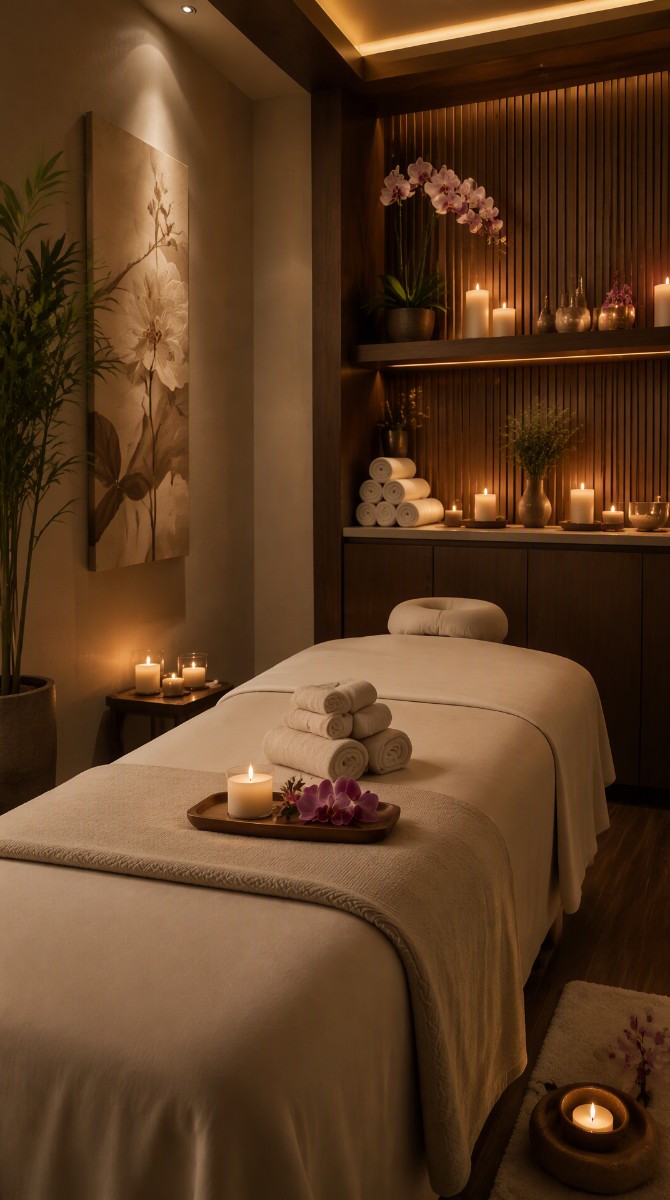
Embarking on your first hot stone massage can be an exciting yet slightly daunting experience. Understanding what to expect during the session can help alleviate any apprehensions and enhance your overall enjoyment.Here’s a detailed overview of the hot stone massage experience.Upon arrival at the spa or wellness centre, you will typically be greeted by a receptionist who will guide you through the initial paperwork, which may include a health questionnaire. This is an important step as it allows the therapist to understand your specific needs and any areas of concern.Once you are ready, you will be shown to a private treatment room where the atmosphere is designed to promote relaxation. Soft lighting, calming music, and soothing scents create an inviting environment. You will be asked to undress to your comfort level, usually down to your underwear, and lie on a massage table covered with clean linens.
Beginning the Session
- The therapist will start by discussing any specific areas of tension or discomfort you may have.
This is your opportunity to communicate your preferences regarding pressure and focus areas.
- After this discussion, the therapist will begin the session by using traditional massage techniques to warm up your muscles. This initial phase is crucial as it prepares your body for the deeper heat therapy that follows.
The Use of Hot Stones
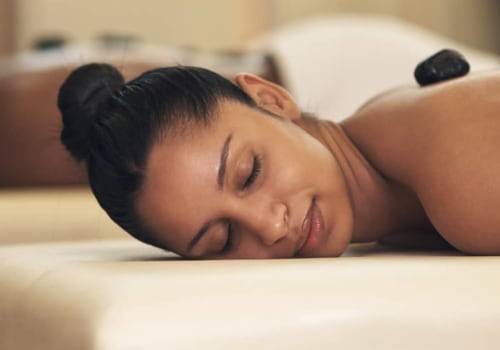
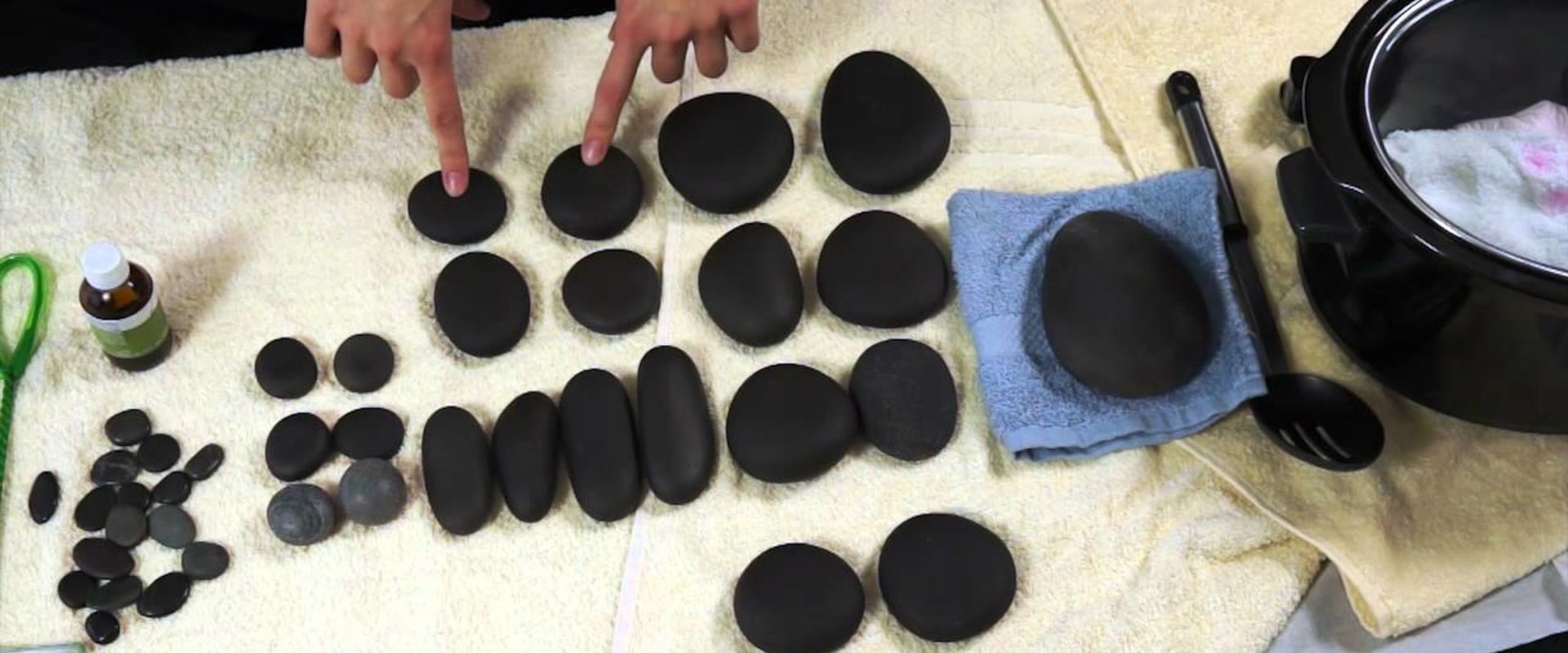
Once your muscles are adequately warmed, the therapist will introduce smooth, heated stones into the massage. These stones are typically made from basalt, a volcanic rock known for its excellent heat retention properties. The therapist will place these stones on specific points of your body, such as along your spine, in the palms of your hands, or on your feet.The heat from the stones penetrates deeply into the muscles, promoting relaxation and easing tension.
The therapist may also use the stones in conjunction with their hands, employing various techniques such as gliding strokes, kneading, and gentle pressure to enhance the overall experience.
What You Might Feel
- As the session progresses, you may feel a profound sense of relaxation wash over you. The combination of heat and skilled massage techniques can lead to a state of deep tranquility.
- Some clients report feeling a slight warmth radiating from the stones, which can be incredibly soothing. However, if at any point you feel discomfort or if the stones are too hot, do not hesitate to communicate this with your therapist.
Conclusion of the Session
As the session comes to an end, the therapist will carefully remove the stones and may perform some final gentle strokes to help you transition back to a state of alertness. You will then be given time to relax before getting up from the table.After your hot stone massage, it’s advisable to drink plenty of water to help flush out any toxins released during the treatment.
You may also want to take some time for yourself to enjoy the lingering effects of relaxation before returning to your daily routine.
Finding a Qualified Hot Stone Massage Therapist
Choosing the right therapist for your hot stone massage is crucial to ensure a safe and effective experience. With the growing popularity of this therapy, it is essential to find a qualified practitioner who possesses the necessary skills and knowledge. Here are some key factors to consider when selecting a hot stone massage therapist:- Credentials and Certification: Always check if the therapist has the appropriate qualifications. A certified hot stone massage therapist should have completed a recognised training programme that covers the specific techniques and safety protocols associated with this type of massage.
Look for certifications from reputable organisations that specialise in massage therapy.
- Experience: Experience plays a significant role in the effectiveness of a hot stone massage. Inquire about how long the therapist has been practising and how many hot stone massages they have performed. A seasoned therapist will be more adept at tailoring the treatment to your individual needs.
- Specialisation: Some therapists may specialise in certain types of body treatments or specific conditions. If you have particular concerns, such as chronic pain or stress-related issues, seek out a therapist who has experience in addressing those areas through hot stone massage.
- Client Reviews: Reading reviews from previous clients can provide valuable insights into a therapist's skills and approach.
Look for testimonials that highlight their professionalism, technique, and overall client satisfaction. Websites, social media platforms, and local directories can be excellent resources for finding reviews.
- Consultation: Before booking an appointment, consider scheduling a consultation with the therapist. This meeting allows you to discuss your specific needs, ask questions about their techniques, and gauge their understanding of hot stone therapy. A good therapist will take the time to listen to your concerns and explain how they plan to address them.
- Hygiene Practices: Ensure that the therapist adheres to strict hygiene standards.
The stones used in hot stone massage should be properly cleaned and sanitised between sessions. A professional practitioner will prioritise cleanliness to ensure your safety and comfort.
Safety Precautions in Hot Stone Massage
When considering a hot stone massage, it is crucial to prioritise safety to ensure a positive and beneficial experience. While this therapy offers numerous advantages, improper practices can lead to discomfort or injury.Here are some essential precautions to take into account:
- Temperature Control: The stones should be heated to a safe temperature, typically between 125°F and 145°F (52°C to 63°C). It is vital for the therapist to regularly check the stones' temperature to prevent burns. Clients should also communicate if they feel any discomfort due to heat.
- Client Health Assessment: Before beginning the session, therapists should conduct a thorough health assessment. This includes discussing any medical conditions, allergies, or medications that may affect the treatment.
Clients with conditions such as diabetes, heart disease, or skin sensitivities should consult their healthcare provider before receiving a hot stone massage.
- Proper Stone Selection: The type of stones used can significantly impact the effectiveness and safety of the massage. Basalt stones are commonly used due to their ability to retain heat. Therapists should ensure that the stones are smooth and free from cracks or sharp edges that could cause injury.
- Technique Awareness: Therapists must be trained in proper hot stone techniques. This includes knowing how to apply pressure appropriately and understanding which areas of the body are safe for stone placement.
Incorrect techniques can lead to muscle strain or discomfort.
- Hydration: Clients should be encouraged to hydrate before and after their session. The heat from the stones can lead to increased perspiration, which may result in dehydration if fluids are not replenished.
- Post-Massage Care: After the session, clients may experience lingering warmth in their muscles. It is advisable to avoid strenuous activities immediately following a hot stone massage. Instead, clients should take time to relax and allow their bodies to adjust.
Open communication between the therapist and client is essential for addressing any concerns and tailoring the treatment to individual needs.
Frequently Asked Questions About Hot Stone Massage
Hot stone massage is a popular therapy that often raises questions among potential clients. Below are some of the most frequently asked questions regarding this unique form of massage, along with clear answers to help clarify any doubts.What is hot stone massage?
Hot stone massage is a therapeutic technique that involves the use of smooth, heated stones placed on specific points of the body. The heat from the stones helps to relax muscles, improve circulation, and promote a sense of well-being. This method can be combined with traditional massage techniques to enhance relaxation and relieve tension.Is hot stone massage safe for everyone?
While hot stone massage is generally safe for most individuals, it may not be suitable for everyone.People with certain medical conditions, such as diabetes, high blood pressure, or skin sensitivities, should consult their healthcare provider before undergoing this treatment. Additionally, pregnant women should seek advice from their doctor before receiving a hot stone massage.
How hot are the stones used in the massage?
The stones used in hot stone massage are typically heated to a temperature between 125°F and 145°F (about 52°C to 63°C). It is crucial for therapists to regularly check the temperature to ensure client safety and comfort. If at any point the stones feel too hot, clients should communicate this to their therapist immediately.Can hot stone massage help with specific conditions?
Yes, many clients find relief from various conditions through hot stone massage.It can be particularly beneficial for those suffering from muscle tension, chronic pain, stress-related issues, and even insomnia. The heat from the stones aids in relaxing tight muscles and improving blood flow, which can alleviate discomfort.
Are there any misconceptions about hot stone massage?
- Myth: Hot stone massage is just a gimmick.
- Fact: While it may seem unconventional, numerous studies support the therapeutic benefits of heat therapy in relieving muscle tension and promoting relaxation.
- Myth: All stones used are heated to the same temperature.
- Fact: Different types of stones may be used at varying temperatures depending on their location on the body and the desired effect.
Conclusion: The Therapeutic Value of Hot Stone Massage
In summary, hot stone massage is not merely a luxurious indulgence; it is a profound therapeutic practice that offers a multitude of benefits for both the body and mind. Throughout this article, we have explored the various techniques employed in hot stone massage, highlighting how the combination of heated stones and skilled manipulation can lead to significant improvements in physical and emotional well-being.The application of heat from the stones serves to relax tight muscles, enhance circulation, and promote a sense of deep relaxation.This unique approach allows for a more effective release of tension compared to traditional massage techniques alone. As we have discussed, the warmth from the stones penetrates deeply into the muscle tissue, facilitating the release of toxins and alleviating pain.Moreover, hot stone massage has been shown to be particularly beneficial for individuals dealing with chronic stress, anxiety, or sleep disturbances. The calming effects of the heat combined with rhythmic massage strokes create an environment conducive to mental clarity and emotional balance. Clients often report feeling rejuvenated and more centred after a session, which underscores the holistic nature of this treatment.As you consider your options for relaxation and wellness, it is essential to recognise that hot stone massage can be tailored to meet individual needs.
Whether you are seeking relief from specific ailments or simply wish to unwind after a long week, this therapy can be adapted accordingly.In conclusion, embracing hot stone massage as part of your self-care routine can lead to lasting benefits. It is an excellent choice for anyone looking to enhance their overall health and well-being. By prioritising relaxation through this ancient technique, you are investing in your physical health and emotional resilience.We encourage you to explore local practitioners who specialise in hot stone massage and experience its therapeutic value firsthand. Your journey towards relaxation and rejuvenation awaits!.