Injuries are an unfortunate reality that can affect anyone, regardless of age or activity level. They can arise from a variety of sources, including sports, accidents, or even repetitive strain from daily activities. Understanding the different types of injuries is crucial for effective recovery. Common categories include acute injuries, such as fractures and sprains, which occur suddenly, and chronic injuries, like tendonitis and stress fractures, that develop over time due to overuse or improper technique.The impact of injuries extends far beyond the physical realm.
While the immediate effects may include pain, swelling, and limited mobility, the psychological consequences can be equally profound. Individuals may experience feelings of frustration, anxiety, or depression as they grapple with the limitations imposed by their injuries. This emotional toll can hinder recovery and affect overall well-being. It is essential to acknowledge both the physical and psychological aspects of injury recovery to foster a holistic healing process.Moreover, the journey to recovery is often multifaceted.
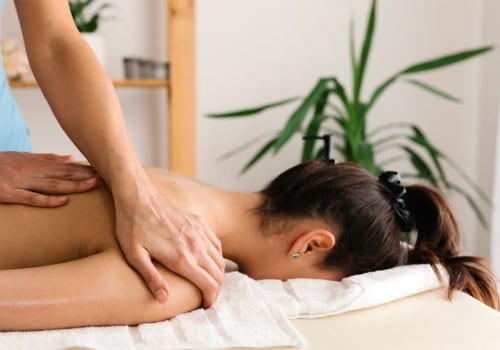
It involves not only addressing the physical symptoms but also managing the emotional responses that accompany them. Engaging in supportive therapies, such as massage and body treatments, can play a significant role in alleviating both physical discomfort and emotional distress. By understanding the complexities of injuries and their impacts, individuals can better navigate their recovery journey and explore effective healing methods tailored to their unique needs.
The Science Behind Healing
Understanding the biological processes involved in healing is essential for appreciating how various treatments, including massage and body treatments, can facilitate recovery. The healing process is a complex interplay of cellular activities, inflammation, and tissue repair mechanisms that work together to restore the body to its optimal state.When an injury occurs, the body initiates a response known as the inflammatory process.This is a critical first step in healing, as it helps to protect the affected area and begins the repair process. Inflammation is characterised by redness, swelling, heat, and pain, which are all signs that the body is working to heal itself. During this phase, immune cells are dispatched to the site of injury to clear out damaged tissue and pathogens.As inflammation subsides, the body enters the next phase of healing: tissue repair. This involves several key processes:
- Cell Proliferation: New cells are generated to replace those that were damaged or destroyed.
This includes fibroblasts, which produce collagen and other extracellular matrix components essential for tissue strength and structure.
- Angiogenesis: The formation of new blood vessels occurs to supply oxygen and nutrients to the healing tissue. Improved circulation is vital for delivering essential elements that support recovery.
- Remodelling: Once new tissue has formed, it undergoes a remodelling phase where it matures and strengthens over time. This phase can last for months or even years, depending on the severity of the injury.
This increased circulation not only delivers more oxygen and nutrients but also aids in flushing out metabolic waste products that can hinder recovery.Moreover, massage can alleviate pain associated with inflammation by stimulating the release of endorphins—natural pain-relieving chemicals produced by the body. This dual action of reducing inflammation while promoting relaxation makes massage an invaluable tool in injury recovery.In summary, understanding the science behind healing reveals how interconnected our body's systems are when responding to injury. By utilising treatments like massage and body treatments, individuals can support their body's natural recovery mechanisms, leading to more effective healing outcomes.
Types of Massage Techniques for Healing
When it comes to promoting healing from injuries, understanding the various types of massage techniques available can significantly enhance recovery. Each technique offers unique benefits tailored to specific needs, making it essential to choose the right one for your situation.Swedish Massage
Swedish massage is one of the most popular forms of massage therapy, known for its gentle and relaxing techniques.It employs long, flowing strokes, kneading, and circular movements on the topmost layer of muscles. This technique is particularly beneficial for:
- Reducing muscle tension: The gentle pressure helps to alleviate tightness in muscles, promoting relaxation.
- Improving circulation: Enhanced blood flow aids in delivering oxygen and nutrients to injured areas, facilitating faster healing.
- Promoting relaxation: The soothing nature of Swedish massage can help reduce stress and anxiety, which are often exacerbated during recovery.
Deep Tissue Massage
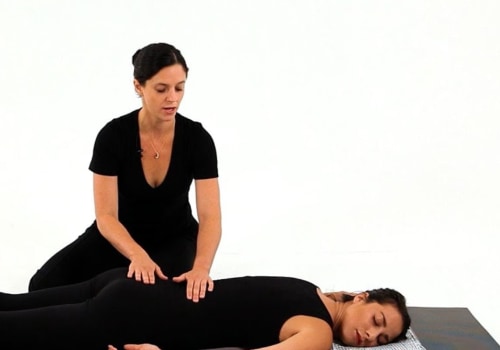
For those dealing with chronic pain or severe muscle tension, deep tissue massage may be more appropriate. This technique focuses on the deeper layers of muscle and connective tissue, using slower strokes and more intense pressure. Key benefits include:- Pain relief: By targeting deeper muscle layers, this massage can effectively alleviate chronic pain conditions.
- Breaking down scar tissue: Deep tissue techniques can help break up adhesions and scar tissue that may form after an injury.
- Improved flexibility: By releasing tension in deeper muscles, this technique can enhance overall flexibility and range of motion.
Sports Massage
Designed specifically for athletes, sports massage combines various techniques tailored to the needs of active individuals.It can be beneficial both pre- and post-exercise. The advantages include:
- Injury prevention: Regular sports massage can help identify potential problem areas before they develop into injuries.
- Enhanced performance: By improving flexibility and reducing muscle soreness, athletes may experience better performance levels.
- Faster recovery: Post-event sports massage aids in flushing out lactic acid and reducing muscle soreness, speeding up recovery time.
Complementary Body Treatments to Enhance Recovery
While massage therapy is a powerful tool for promoting recovery from injuries, it can be significantly enhanced when combined with other complementary body treatments. These therapies not only support the healing process but also address various aspects of physical and emotional well-being.Below are some effective complementary therapies that can work in synergy with massage to facilitate a more holistic recovery.
Acupuncture
Acupuncture
is an ancient Chinese practice that involves inserting thin needles into specific points on the body. This technique is believed to stimulate the body’s natural healing processes and can be particularly beneficial for pain management. Research has shown that acupuncture can help reduce inflammation, improve circulation, and promote relaxation, making it an excellent adjunct to massage therapy.
Physiotherapy
Physiotherapy
focuses on restoring movement and function in individuals affected by injury or illness. A physiotherapist will assess your condition and develop a tailored rehabilitation programme that may include exercises, manual therapy, and education about body mechanics.
When combined with massage, physiotherapy can enhance muscle recovery, improve strength, and prevent future injuries.
Hydrotherapy
Hydrotherapy
, or water therapy, utilises the properties of water to promote healing. This treatment can involve exercises in warm water pools or the use of hot and cold compresses. The buoyancy of water reduces strain on joints while allowing for gentle movement, which can aid in recovery from injuries. Hydrotherapy can also enhance relaxation and improve circulation, complementing the benefits of massage.
Other Holistic Healing Methods
By adopting a holistic approach to recovery, individuals can experience a more comprehensive healing journey that fosters both physical restoration and mental well-being.
Psychological Benefits of Massage in Injury Recovery
In the journey of recovery from injuries, the psychological benefits of massage therapy play a crucial role that is often overlooked. While physical healing is essential, the mental and emotional aspects of recovery are equally significant. Engaging in massage therapy can provide profound psychological support, helping individuals navigate the challenges that accompany injury recovery.One of the primary psychological effects of massage is its ability to alleviate stress. Injuries can lead to heightened levels of anxiety and stress, which can impede the healing process.Massage therapy promotes relaxation by stimulating the body’s natural relaxation response. This not only helps to reduce muscle tension but also lowers cortisol levels, the hormone associated with stress. As a result, individuals often report feeling calmer and more centred after a session.Moreover, massage therapy fosters a sense of emotional well-being. The act of receiving touch can be incredibly comforting, providing a sense of connection and support during a time when individuals may feel isolated due to their injuries.
This emotional support is vital; it can help combat feelings of depression or hopelessness that sometimes accompany prolonged recovery periods.Additionally, regular massage sessions can enhance self-awareness and body consciousness. After an injury, individuals may struggle with their body image or feel disconnected from their physical selves. Massage encourages individuals to reconnect with their bodies in a positive way, promoting a sense of acceptance and appreciation for what their bodies can achieve during recovery.Furthermore, the therapeutic environment of a massage session allows for introspection and mental clarity. Many people find that during or after a massage, they experience moments of insight or clarity regarding their recovery journey.
This mental space can be invaluable for setting goals and fostering a positive mindset towards healing.In summary, the psychological benefits of massage therapy extend far beyond mere relaxation. By reducing stress, providing emotional support, enhancing self-awareness, and promoting mental clarity, massage plays an integral role in the holistic healing process for those recovering from injuries. Embracing these benefits can significantly improve not only physical recovery but also overall mental health and resilience.
Creating a Personalised Recovery Plan with Massage and Body Treatments
Creating a personalised recovery plan is essential for anyone looking to heal from an injury effectively. This plan should incorporate massage and other body treatments tailored to your specific needs, ensuring a holistic approach to recovery.Here are some steps to help you develop a comprehensive recovery strategy:
- Assess Your Injury: Begin by understanding the nature and extent of your injury. Consult with a healthcare professional to get a clear diagnosis and recommendations for treatment. This will provide a foundation for your personalised recovery plan.
- Identify Your Goals: Determine what you want to achieve through your recovery process. Are you aiming for pain relief, improved mobility, or a return to specific activities? Setting clear goals will help guide your treatment choices.
- Incorporate Massage Therapy: Choose the type of massage that best suits your injury and personal preferences.
Options include:
- Swedish Massage: Ideal for relaxation and reducing muscle tension.
- Deep Tissue Massage: Focuses on deeper layers of muscle and connective tissue, beneficial for chronic pain.
- Sports Massage: Tailored for athletes, it helps prevent injuries and enhances performance.
- Add Complementary Body Treatments: Consider integrating other body treatments into your recovery plan, such as:
- Physical Therapy: A structured programme that includes exercises to strengthen muscles and improve flexibility.
- Aromatherapy: Utilising essential oils can enhance relaxation and alleviate stress during recovery.
- Acupuncture: This ancient practice may help reduce pain and promote healing by stimulating specific points in the body.
- Establish a Routine: Consistency is key in any recovery plan. Schedule regular massage sessions and body treatments, ensuring they fit seamlessly into your daily life.
- Monitor Your Progress: Keep track of your recovery journey by noting improvements in pain levels, mobility, and overall well-being. Adjust your plan as necessary based on your progress and feedback from healthcare professionals.
A personalised recovery plan that includes massage and body treatments not only addresses physical injuries but also nurtures emotional health, paving the way for a more holistic healing experience.
Conclusion: Embracing Healing through Massage and Body Treatments
In conclusion, the journey of healing from injuries is multifaceted, and incorporating massage and body treatments into recovery strategies can significantly enhance the process. Throughout this article, we have explored the myriad benefits that these therapies offer, not only in alleviating physical discomfort but also in addressing emotional and psychological well-being.One of the most compelling reasons to consider massage therapy is its ability to reduce pain. By increasing blood flow to injured areas, massage helps to diminish inflammation and promote faster healing. This natural approach to pain management is particularly beneficial for those who wish to avoid pharmaceuticals or invasive procedures.Moreover, the role of massage in improving circulation cannot be overstated.Enhanced blood flow not only aids in recovery but also contributes to overall health by ensuring that vital nutrients reach damaged tissues. This is crucial for anyone recovering from both acute and chronic injuries.Additionally, the psychological benefits of massage therapy are profound. The reduction of stress and anxiety through massage can create a more conducive environment for healing. When individuals feel relaxed and at ease, their bodies are better equipped to recover from trauma, both physical and emotional.Furthermore, embracing self-care through regular body treatments fosters a deeper connection with one’s body.
This practice encourages individuals to listen to their bodies' needs, promoting a holistic approach to recovery that encompasses both physical and mental health.In summary, integrating massage and body treatments into your injury recovery plan is not merely an option; it is a vital component that can lead to more effective healing outcomes. By prioritising these therapies, individuals can experience a more comprehensive recovery journey that addresses all aspects of their well-being.